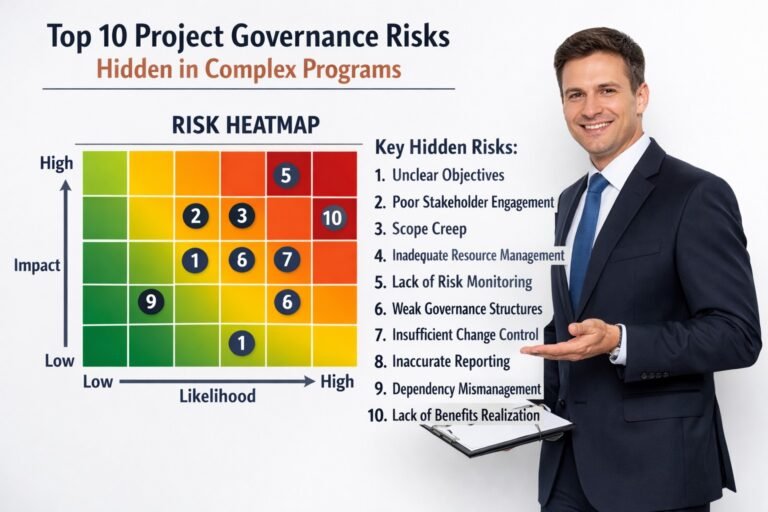
12 PMO Capability Gaps That Limit Organisational Maturity
In business, the efficiency and effectiveness of Project Management Offices (PMOs) are under continuous scrutiny. As organizations strive for higher maturity in their project management capabilities, understanding and addressing PMO capability gaps becomes paramount. These gaps can significantly hinder the potential for success and growth within large enterprises. In this article, we will explore twelve PMO Capability Gaps That Limit Organisational Maturity, helping you identify and bridge these gaps for a more effective PMO.
Understanding PMO Capability Gaps in Organizations Today
Project Management Offices play a vital role in ensuring the successful execution of projects across an organization. However, many PMOs encounter various capability gaps that limit their effectiveness, directly impacting overall organizational maturity. These gaps can manifest across several dimensions, including strategic alignment, resource allocation, stakeholder engagement, and decision-making processes. Without addressing these shortcomings, organizations risk stagnation in their project management evolution and overall business performance.
Understanding these gaps requires a comprehensive assessment of the PMO’s current capabilities and alignment with organizational goals. By conducting regular evaluations, organizations can identify weaknesses and develop strategies to enhance their PMO’s performance. A mature PMO is not just about following methodologies; it’s about creating a culture of continuous improvement that empowers teams to deliver successful outcomes consistently.
Organizations that remain stagnant in their PMO maturity may find themselves lagging behind competitors in market responsiveness and innovation. Therefore, recognizing the importance of filling these capability gaps is crucial for any organization seeking to thrive in today’s dynamic business landscape.
The Importance of Maturity in Project Management Offices
Maturity in PMOs is essential for fostering a culture of accountability and effectiveness in project management. A mature PMO not only enhances the quality of project delivery but also aligns closely with organizational strategy, ensuring that projects contribute to broader business objectives. This alignment can lead to better resource utilization, improved stakeholder satisfaction, and ultimately, greater organizational success.
Achieving maturity in a PMO involves developing standardized processes, frameworks, and tools that support consistent project execution. It’s about establishing a clear governance structure that facilitates decision-making and risk management. A mature PMO is characterized by its ability to adapt to changing business needs, leveraging lessons learned from past projects to improve future outcomes.
Furthermore, a mature PMO can act as a strategic partner rather than just a service provider within the organization. By demonstrating a clear understanding of business goals and how projects align with those goals, a mature PMO can influence and drive strategic initiatives, which is essential for long-term success.
Identifying Key Gaps That Impact Organizational Success
Identifying capability gaps within the PMO requires a multifaceted approach. Organizations need to take stock of their existing processes, resource allocation, and stakeholder engagement strategies. By evaluating these areas, organizations can pinpoint specific gaps that hinder PMO performance and overall project success.
One of the most critical aspects to evaluate is the alignment of the PMO’s objectives with the strategic goals of the organization. When PMOs operate in isolation, they may fail to support or contribute to broader organizational objectives, leading to misalignment and wasted resources. Understanding how the PMO fits within the larger business landscape is essential for fostering a mature and effective project management environment.
Additionally, organizations should consider the skills and competencies of their PMO team members. Gaps in knowledge, experience, or training can affect the PMO’s ability to deliver projects effectively. Regular training and development programs can help bridge these capability gaps, but identifying specific areas for improvement is the first step toward enhancing PMO maturity.
Lack of Strategic Alignment: A Major Capability Gap
A significant capability gap that many organizations face is the lack of strategic alignment within their PMO. When PMOs operate without a clear understanding of organizational goals and priorities, they may find themselves working on projects that do not contribute to overall business success. This misalignment can lead to wasted resources, poor project outcomes, and a lack of buy-in from stakeholders.
To overcome this gap, PMOs need to establish strong communication channels with executive leadership and other key stakeholders. By engaging in open dialogue about strategic objectives, PMOs can ensure that their initiatives align with organizational priorities. This alignment will not only enhance project relevance but also increase the likelihood of securing necessary resources and support for successful project execution.
Moreover, incorporating a strategic planning process within the PMO can help ensure that projects are evaluated based on their potential impact on organizational goals. By prioritizing projects that align with strategic objectives, organizations can optimize resource allocation and improve overall project success rates.
Insufficient Resource Allocation and Its Consequences
Resource allocation is another critical area where PMOs often encounter capability gaps. Insufficient resources—whether human, financial, or technological—can severely hinder a PMO’s ability to deliver projects successfully. When projects are understaffed or lack the necessary tools, the risk of delays, cost overruns, and subpar outcomes increases significantly.
To address this gap, organizations must conduct a thorough assessment of their resource needs in relation to their project portfolio. This assessment should consider current project demands, anticipated future projects, and the skills required to execute them effectively. By aligning resource allocation with project needs, organizations can ensure they have the right mix of talent and tools to support project success.
Additionally, organizations often overlook the importance of ongoing resource management. Rather than simply allocating resources at the start of a project, PMOs should implement mechanisms for continuous resource evaluation and adjustment throughout the project lifecycle. This proactive approach can help address potential resource shortages before they impact project outcomes.
Weak Stakeholder Engagement in PMO Initiatives
Another significant capability gap is the lack of effective stakeholder engagement in PMO initiatives. Stakeholder involvement is crucial for ensuring that projects meet the needs and expectations of those who will ultimately be impacted by the outcomes. When PMOs fail to engage stakeholders adequately, they risk miscommunication, resistance to change, and project failure.
To strengthen stakeholder engagement, PMOs should establish clear communication processes that keep stakeholders informed and involved throughout the project lifecycle. Regular updates, feedback sessions, and inclusive decision-making processes can help ensure that stakeholders feel valued and invested in project outcomes.
Furthermore, PMOs can leverage stakeholder mapping techniques to identify key stakeholders and understand their influence and interests. By tailoring communication strategies to address the specific needs of different stakeholder groups, organizations can foster stronger relationships and enhance overall project support.
Data-Driven Decision Making: A Gap to Address
In an era defined by data, the ability to make informed decisions based on reliable metrics is essential for PMOs. However, many organizations struggle with data-driven decision-making, often relying on intuition or anecdotal evidence instead. This gap can lead to poor project choices, missed opportunities, and insufficient risk management.
To bridge this gap, PMOs should prioritize the development of robust data collection and analysis processes. By utilizing project management software and tools, organizations can gather real-time data on project performance, resource utilization, and stakeholder engagement. This data can then be analyzed to identify trends, risks, and opportunities for improvement.
Additionally, fostering a culture of data-driven decision-making within the PMO requires training and support for team members. By equipping PMO staff with the skills needed to analyze and interpret data effectively, organizations can enhance their decision-making processes and ultimately improve project outcomes.
Bridging Capability Gaps for Enhanced Organizational Maturity
Bridging capability gaps within the PMO is not a one-time effort but a continuous process that requires dedication and commitment from all levels of the organization. By leveraging the insights gained from identifying gaps, organizations can develop targeted strategies to enhance their PMO’s capabilities and overall maturity.
One effective approach to bridging these gaps is to establish a continuous improvement framework within the PMO. This framework encourages regular evaluations of PMO processes, stakeholder engagement strategies, and resource allocation practices. By fostering a mindset of continuous improvement, organizations can adapt to changing business needs and enhance their project management maturity over time.
Furthermore, leadership support is crucial for successfully addressing these capability gaps. By prioritizing PMO maturity and providing the necessary resources and training, organizations can empower their PMOs to drive meaningful change and contribute to overall business success.
In conclusion, recognizing and addressing the twelve PMO capability gaps that limit organizational maturity is essential for large enterprises seeking to enhance their project management effectiveness. By focusing on strategic alignment, resource allocation, stakeholder engagement, and data-driven decision-making, organizations can bridge these gaps and foster a culture of continuous improvement within their PMOs. Ultimately, this commitment to enhancing PMO capabilities will lead to improved project outcomes, increased stakeholder satisfaction, and sustained organizational success.
Meta Description: Discover 12 critical PMO capability gaps limiting organizational maturity and learn strategies to bridge these gaps for improved project success.
Tags: PMO, project management, organizational maturity, capability gaps, strategic alignment, stakeholder engagement, resource allocation, data-driven decisions, continuous improvement, enterprise success.
Hashtags: #PMO #ProjectManagement #OrganizationalMaturity #StakeholderEngagement #ContinuousImprovement