Acronym of Development: Key Methodologies for Business
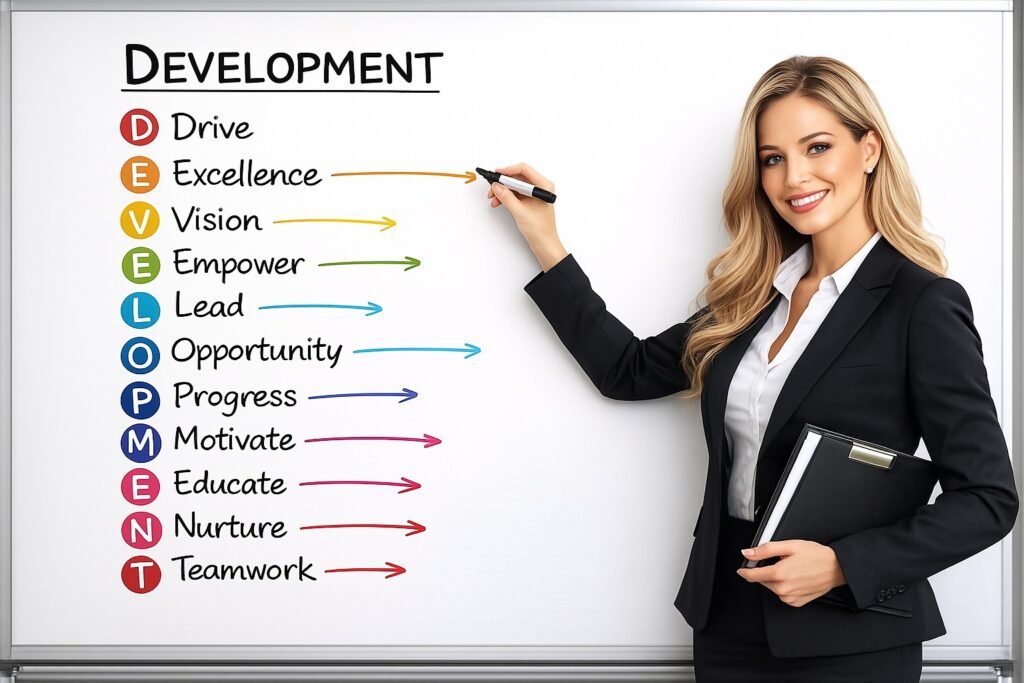
In the fast-paced world of corporate strategy, understanding the dynamics of development is crucial for any organization striving for success. The term “development” can encapsulate various aspects of growth, from enhancing productivity to fostering innovation. An acronym framed around the word “development” serves as a useful guide for organizations looking to refine their strategies and achieve sustainable growth. By unpacking each letter, we can gain insights into effective business practices that drive corporate success.
Understanding the Acronym of Development in Business Strategy
The acronym of development is not just a mnemonic device; it encapsulates vital components essential for any organization aiming to thrive in a competitive landscape. Each letter represents a key principle that collectively forms a framework for effective business strategy. From driving change to creating value, understanding these principles helps organizations navigate complex challenges and seize opportunities.
Organizations that embrace this framework can better align their activities with their strategic goals. In doing so, they can foster a culture of continuous improvement, where every team member is engaged in the organization’s mission. This holistic approach not only enhances productivity but also drives long-term sustainability. Consequently, the acronym serves as a roadmap, guiding decision-makers through various facets of development.
Moreover, the acronym highlights the interconnectedness of various strategic elements. It shows that successful development is not achieved through isolated initiatives but rather through an integrated approach that leverages resources, engages employees, and fosters leadership. This interconnectedness is what makes the development acronym a powerful tool for organizations that want to ensure robust growth and adaptability in an ever-evolving business environment.
Key Components of the Development Acronym Explained
To fully grasp the potential of the development acronym, it’s essential to understand each component in detail. Each letter signifies a core principle that organizations can implement to foster growth and ensure long-term success. By breaking it down, we can see how these components interact and reinforce one another, creating a solid foundation for business strategy.
The first component, “D,” stands for Driving Change. This element emphasizes the importance of adaptability in a rapidly changing business landscape. Organizations need to be willing to pivot and innovate, responding to market demands and technological advancements swiftly. The next letter, “E,” represents Engagement, a vital aspect that involves building a workforce that is not just involved but committed to the organization’s vision. When employees are engaged, they are more likely to contribute creatively, improving overall productivity.
The third letter, “V,” stands for Value Creation. In today’s competitive marketplace, organizations that focus on delivering exceptional value to their customers are more likely to thrive. Value creation is not just about financial metrics; it encompasses customer satisfaction, brand loyalty, and employee engagement. Lastly, the acronym highlights the necessity of Effective Resource Utilization and Leadership, underscoring how critical these elements are in achieving strategic goals.
The Role of “D” in Development: Driving Change Effectively
Driving change is a crucial component of the development acronym, representing the need for organizations to embrace transformation actively. Companies today face an array of challenges, from technological disruption to changing consumer preferences. Those that can adapt quickly and efficiently often hold a competitive edge. Driving change is not merely about reacting; it’s about proactively leading the charge toward innovation and improvement.
To drive change effectively, organizations must cultivate a culture that encourages experimentation and risk-taking. This involves empowering employees at all levels to contribute their ideas and solutions. When employees feel they have a stake in the organization’s direction, they are more likely to engage in transformative projects and initiatives. Moreover, leadership plays a pivotal role in modeling change, demonstrating the behaviors and attitudes that are expected throughout the organization.
Additionally, organizations should leverage data and analytics to guide their change initiatives. By utilizing insights derived from customer feedback, market trends, and operational performance, companies can make informed decisions that enhance their strategic direction. Ultimately, driving change is about creating an agile organization that can evolve and thrive in a dynamic environment, ensuring long-term sustainability and growth.
How “E” Stands for Engagement in Corporate Growth
Engagement goes beyond mere job satisfaction; it’s a cornerstone of corporate growth and sustainability. Employees who are engaged are more committed to their work, which translates to higher productivity and better outcomes for the organization. When teams feel connected to their organization’s vision and values, they are more likely to go above and beyond, pushing the company towards its goals.
To foster engagement, organizations should implement practices that encourage open communication and collaboration. Regular feedback channels, recognition programs, and team-building activities can create an environment where employees feel valued. Leadership plays a vital role in this process; leaders who actively listen and respond to employee concerns foster a climate of trust and mutual respect. This, in turn, drives greater engagement and loyalty.
Another critical aspect of engagement is aligning personal and organizational goals. When employees see how their contributions impact the company’s success, their motivation increases. Organizations should regularly communicate their mission and values, ensuring that every team member understands their role in the bigger picture. This alignment creates a sense of purpose that fuels engagement and ultimately drives corporate growth.
The Importance of “V” in Value Creation for Organizations
Value creation is the third pillar of the development acronym, emphasizing the necessity of delivering exceptional value to customers, employees, and stakeholders. In a competitive landscape, organizations that excel at creating value are more likely to build lasting customer relationships and enhance brand loyalty. Value is not just about the price of a product or service; it encompasses the overall experience and satisfaction derived from it.
To enhance value creation, organizations must focus on understanding their customers’ needs and preferences. This involves conducting market research, gathering feedback, and analyzing data to identify trends and insights. By aligning their offerings with customer expectations, companies not only improve customer satisfaction but also gain a competitive advantage. Furthermore, involving employees in this process can lead to innovative solutions that enhance both customer and employee experiences.
Additionally, organizations should look at value creation through the lens of sustainability. Modern consumers are increasingly interested in companies that prioritize ethical practices and environmental responsibility. By incorporating sustainability into their value proposition, organizations can appeal to a broader audience while also contributing positively to society. Ultimately, value creation is about delivering meaningful benefits that resonate with all stakeholders, leading to long-term success.
Exploring the Meaning of “E” in Effective Resource Utilization
Effective resource utilization is a crucial component of the development acronym, representing how organizations allocate and manage their resources be it human, financial, or technological. In an environment where efficiency often dictates success, knowing how to utilize resources effectively can mean the difference between thriving and merely surviving. This concept goes beyond cost-cutting measures; it focuses on maximizing the return on every resource invested.
To achieve effective resource utilization, organizations need to align their resources with strategic goals. This means assessing current capabilities and identifying areas for improvement. Using technology to streamline processes can lead to significant gains in efficiency. For example, automation tools can free up employee time for higher-value tasks, fostering innovation and productivity. Additionally, regular audits of resource allocation can help organizations identify waste and optimize their operations.
Training and development also play a vital role in resource utilization. By investing in employee skills and capabilities, organizations can enhance the value of their workforce. A well-trained team is not just more efficient; it’s also more adaptable, able to respond quickly to changing demands and challenges. By prioritizing effective resource utilization, organizations can create a culture of continuous improvement that drives both growth and sustainability.
The Final “L”: Leadership’s Influence on Development Success
Leadership is the final component of the development acronym, serving as the linchpin that holds all other elements together. Effective leadership is crucial for guiding organizations through change, fostering engagement, driving value creation, and ensuring optimal resource utilization. A strong leader not only sets the vision but also inspires and empowers others to work towards that vision collectively.
Good leadership is characterized by transparency, communication, and a commitment to the organization’s mission. Leaders should actively seek input from their teams, creating an inclusive environment where everyone feels their contributions are valued. This not only boosts morale but also fosters a sense of ownership among employees. When teams feel empowered, they are more likely to take initiative, leading to greater innovation and adaptability.
Furthermore, leadership is vital in navigating challenges and uncertainties. A strong leader can steer the organization through turbulent times, maintaining focus on long-term objectives while adjusting short-term strategies. By embodying resilience and adaptability, leaders set a powerful example for their teams. Ultimately, effective leadership is a critical determinant of development success, shaping the culture and direction of the organization for years to come.
Real-World Examples of Utilizing the Development Acronym
Looking at real-world examples of organizations that have effectively utilized the development acronym provides valuable insights into its practical application. Take a company like Google, for instance. With a commitment to Driving Change, Google continually innovates and adapts to market shifts, ensuring it remains at the forefront of technology. Its culture of Engagement encourages employees to share ideas openly, contributing to a vibrant ecosystem of creativity.
In the retail space, companies like Amazon exemplify Value Creation by prioritizing customer satisfaction through excellent service and innovative solutions. Their focus on understanding customer needs allows them to create a seamless shopping experience that fosters brand loyalty. Furthermore, Amazon’s use of technology enhances Effective Resource Utilization, streamlining operations and optimizing supply chain management.
Finally, organizations like Patagonia showcase the importance of Leadership in driving development success. Their commitment to environmental sustainability and social responsibility is reflected in their leadership approach, influencing not only their business model but also the broader industry. Patagonia’s leaders embody the values they promote, inspiring a dedicated customer base and a loyal workforce. These examples underline how the development acronym can serve as a guiding framework for organizations aiming for sustained growth and success.
The development acronym serves as a powerful framework for organizations seeking to navigate the complexities of modern business. By understanding the key components Driving Change, Engagement, Value Creation, Effective Resource Utilization, and Leadership companies can refine their strategies and align their operations with their broader goals. Implementing these principles not only fosters a culture of innovation and adaptability but also enhances long-term sustainability. As organizations strive for growth, the development acronym can guide their journey toward a more prosperous future.
Here’s a comprehensive, SEO-friendly FAQ section with H3 headings for your blog on the acronym of development in corporate strategy:
What does the acronym of DEVELOPMENT stand for in a corporate context?
The acronym of DEVELOPMENT serves as a framework to guide organizations in strategic growth. Each letter represents a key principle or area of focus such as D for Data-driven decision-making, E for Engagement, V for Vision, and so on helping enterprises structure their approach to productivity, innovation, and sustainable business practices.
Why is an acronym useful for understanding development in organizations?
Acronyms simplify complex concepts into actionable steps, making them easier to communicate across teams and leadership. For enterprise executives, using DEVELOPMENT as a guide ensures that all critical growth factors from governance and process optimization to talent development and innovation are systematically addressed.
How can DEVELOPMENT help improve corporate strategy?
By unpacking each element of DEVELOPMENT, companies can:
-
Align organizational goals with actionable initiatives
-
Foster cross-functional collaboration
-
Identify growth opportunities and innovation gaps
-
Improve operational efficiency and risk management
-
Monitor and measure outcomes to ensure sustainable results
What are the benefits of using a DEVELOPMENT framework?
The key benefits include:
-
Clarity: Provides a structured approach to corporate growth and development
-
Consistency: Aligns initiatives across departments and business units
-
Scalability: Ensures strategies can be applied across enterprise operations
-
Accountability: Creates clear ownership for initiatives tied to each component
-
Strategic Insight: Highlights areas for improvement and potential competitive advantage
How do organizations apply the DEVELOPMENT acronym practically?
Enterprises often integrate the acronym into strategic planning sessions, executive workshops, and performance reviews. For example, each letter can serve as a focus area for quarterly objectives, helping teams translate high-level strategy into actionable tasks and measurable outcomes.
Can DEVELOPMENT be adapted for different industries?
Yes. While the principles remain consistent, enterprises can tailor the framework to specific sectors. For example, in technology, I might emphasize innovation cycles and product development, while in manufacturing, it might focus on process optimization and operational efficiency.
How does DEVELOPMENT support innovation?
The framework encourages organizations to include innovation as a structured component of growth strategy. By linking innovation to governance, resource allocation, and measurable KPIs, enterprises can cultivate a culture of continuous improvement while ensuring alignment with overall corporate objectives.
What role does leadership play in the DEVELOPMENT framework?
Leadership is essential for setting the vision, communicating the purpose of each element, and ensuring cross-functional alignment. Leaders guide the prioritization of initiatives, allocate resources, and monitor performance to maximize strategic outcomes.
How can the DEVELOPMENT framework improve team productivity?
By breaking down growth strategies into clear, actionable components, teams understand their roles and responsibilities. This reduces ambiguity, streamlines workflows, and enables employees to focus on activities that deliver measurable results aligned with corporate objectives.
How do organizations measure success using DEVELOPMENT?
Success can be measured through metrics tied to each element, such as:
-
Productivity and efficiency improvements
-
Revenue growth and ROI from strategic initiatives
-
Employee engagement and talent development metrics
-
Innovation adoption rates and time-to-market
-
Customer satisfaction and stakeholder trust
What are common mistakes to avoid when applying DEVELOPMENT?
-
Treating it as a checklist rather than a strategic framework
-
Failing to align each component with enterprise goals
-
Ignoring measurement and feedback loops
-
Overlooking governance and accountability structures
-
Applying it inconsistently across business units or geographies
Can DEVELOPMENT evolve over time?
Absolutely. The framework should be revisited periodically to reflect changing business environments, technological advances, and evolving organizational priorities. Continuous improvement ensures the acronym remains relevant, actionable, and impactful for enterprise growth.
Conclusion
In today’s rapidly evolving corporate landscape, the concept of development extends far beyond simple growth it encompasses strategic planning, operational excellence, innovation, and value creation. The acronym of DEVELOPMENT provides organizations with a structured framework to navigate these complexities, transforming abstract ideas into actionable principles. By unpacking each letter, enterprises can create a roadmap that addresses productivity, innovation, governance, risk management, and stakeholder alignment, ensuring that every initiative is purposeful and measurable.
Using the DEVELOPMENT framework enables organizations to integrate strategy with execution. Each element encourages leaders to think holistically about their operations: from aligning teams and resources to optimizing processes, fostering innovation, and measuring outcomes. This approach ensures that corporate objectives are not just aspirational statements but translate into tangible results that drive both short-term performance and long-term competitive advantage.
Moreover, the acronym serves as a communication and governance tool. It allows leaders to clearly articulate priorities to teams, investors, partners, and regulators, creating transparency and accountability at all levels of the organization. In doing so, it reduces operational silos, prevents misalignment, and fosters a culture where everyone understands their role in achieving enterprise objectives.
Adopting the DEVELOPMENT framework also empowers enterprises to remain agile in the face of change. By continuously revisiting each component whether it relates to innovation, efficiency, leadership, or customer value organizations can adapt their strategies to evolving market conditions, emerging technologies, and shifting stakeholder expectations. This adaptability is critical for sustaining growth in competitive and dynamic environments.
Finally, understanding and applying the acronym of DEVELOPMENT is not a one-time exercise; it is a continuous strategic practice. Enterprises that embed this framework into their planning, execution, and governance processes gain a significant advantage: they can transform strategic intent into measurable outcomes, optimize resources, and build a resilient, forward-looking organization. By leveraging DEVELOPMENT as a structured guide, companies not only enhance operational performance but also create a sustainable foundation for innovation, value creation, and enterprise-wide success.
Hashtags:
Development #BusinessStrategy #CorporateGrowth #Leadership #ValueCreation
External Source for CTA:
For more insights on the Acronym of Development HeadsupEnglish
Discover More great insights at www.pmresourcehub.com