
Critical Project Dependencies in Modern Supply Chain Programs: Why They Are Important
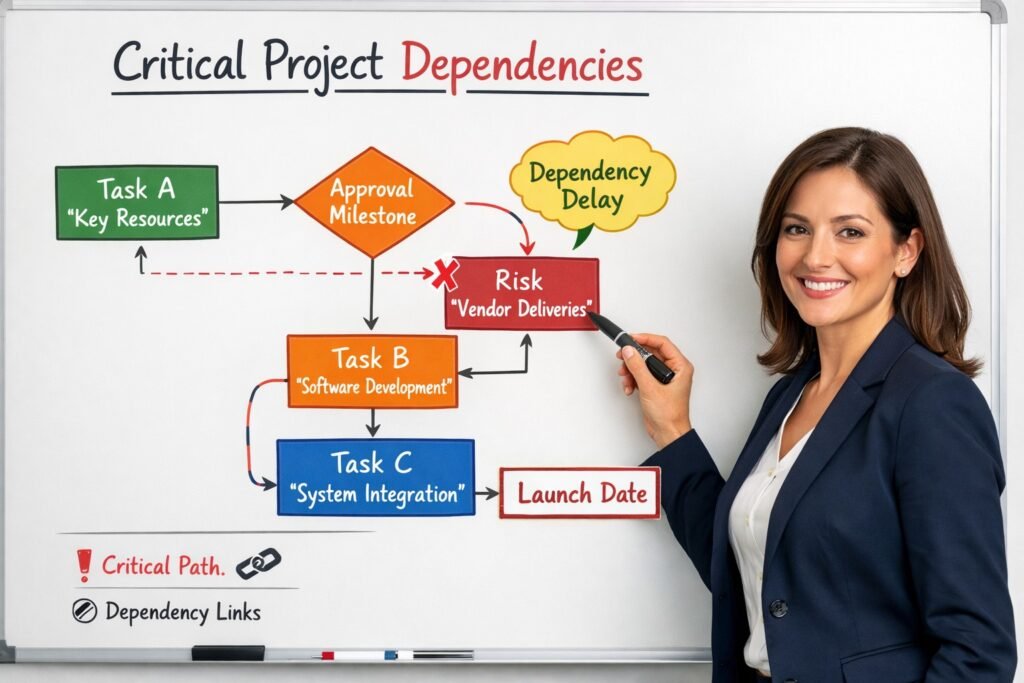
Critical Project Dependencies in Modern Supply Chain Programs dictate outcomes, influence timelines, and ultimately determine the success or failure of initiatives. As organizations navigate an increasingly complex global landscape, understanding and managing these dependencies is essential for achieving strategic goals. This article delves into the nuances of project dependencies in supply chain management, offering insights into their identification, impact, and effective management strategies.
Understanding Project Dependencies in Supply Chain Management
Project dependencies in supply chain management refer to the relationships between different tasks and components of a project that influence each other’s progression. In modern supply chains, these dependencies are often multi-faceted, ranging from logistical considerations to supplier reliability. An understanding of these interdependencies is crucial for supply chain professionals who aim to optimize operations and enhance efficiency. With the rise of global sourcing and diversified supply networks, the complexity of these dependencies has increased significantly.
Dependencies can be categorized into several types, including finish-to-start, start-to-start, and finish-to-finish. Each of these types affects project timelines and resource allocation differently. For instance, a finish-to-start dependency implies that one task cannot commence until another is completed, which can cause delays if the first task encounters issues. Recognizing these relationships helps project managers prioritize activities and allocate resources effectively, which is essential in maintaining timelines and budget constraints.
Furthermore, as supply chains become more integrated with technology, dependencies can also extend beyond immediate project components to include third-party vendors, software systems, and data analytics tools. The interplay of these elements can either facilitate a smooth workflow or create bottlenecks, making it imperative for organizations to gain a comprehensive view of their project dependencies.
Identifying Critical Dependencies in Modern Projects
Identifying critical dependencies begins with thorough project planning and stakeholder engagement. Project managers must gather input from various teams ranging from procurement to logistics
to map out the full landscape of dependencies. This collaborative approach ensures that all potential dependencies are considered, which is particularly important in complex supply chain environments. A well-defined project scope allows teams to visualize how different elements interact, facilitating a more accurate identification of critical paths.
Risk assessments are another essential tool for uncovering critical dependencies. By evaluating potential risks associated with key tasks, organizations can pinpoint dependencies that may pose significant threats to project timelines. For instance, if a supplier is identified as a potential risk, understanding how this supplier’s performance affects other tasks will allow project managers to develop contingency plans that mitigate the impact of delays. This proactive approach to identifying dependencies fosters a culture of preparedness, which is invaluable in today’s fast-paced business climate.
Moreover, leveraging data analytics can aid in identifying dependencies that may not be immediately visible. Advanced analytics tools can analyze historical data, revealing patterns and correlations that inform dependency understanding. This data-driven approach not only improves accuracy in dependency identification but also enhances decision-making, enabling organizations to adapt quickly to changing circumstances.
The Impact of Dependencies on Supply Chain Success
The impact of project dependencies on supply chain success cannot be overstated. A well-managed supply chain relies on the timely execution of interconnected tasks. When dependencies are overlooked or mismanaged, the consequences can range from minor delays to significant project overruns. Such impacts can ripple through the supply chain, affecting everything from inventory levels to customer satisfaction.
On a strategic level, dependencies also influence organizational agility. Companies that can identify and manage dependencies effectively are better positioned to adapt to market fluctuations, regulatory changes, and other external pressures. For example, during a sudden spike in demand, understanding the dependencies around production capabilities and supplier readiness allows organizations to make informed decisions quickly. This agility can be a competitive advantage, enabling firms to respond proactively rather than reactively.
Conversely, failure to manage dependencies can lead to severe reputational damage and financial losses. A single delayed task can trigger a domino effect, resulting in missed deadlines, increased costs, and dissatisfied customers. In a world where customer expectations are at an all-time high, maintaining a smooth flow of operations without dependency-related disruptions is crucial for fostering strong relationships with clients and stakeholders.
Strategies to Manage Project Dependencies Effectively
Managing project dependencies effectively requires a structured approach that combines planning, monitoring, and adaptability. First, applying a dependency map or flowchart can provide a visual representation of task interconnections, making it easier for project managers to understand and manage dependencies. By having a clear view of how tasks relate to each other, teams can prioritize more effectively and allocate resources where they are most needed.
Next, employing agile project management methodologies can enhance flexibility in handling dependencies. Agile frameworks encourage iterative progress and frequent reassessments, allowing teams to pivot quickly if a dependency becomes a roadblock. For example, regular stand-up meetings can provide teams with opportunities to discuss challenges related to dependencies and collaborate on solutions in real-time.
Furthermore, establishing clear communication channels ensures that all stakeholders are informed about potential dependencies and associated risks. Regular updates and collaborative discussions among team members, suppliers, and partners can prevent misunderstandings and foster a culture of transparency. This proactive communication can help identify emerging issues before they escalate, enabling organizations to take swift action to mitigate risks.
Tools and Techniques for Dependency Analysis
Several tools and techniques are available for effective dependency analysis in supply chain projects. Project management software such as Microsoft Project, Trello, and Asana offer features that enable teams to visualize dependencies and track progress in real-time. Utilizing Gantt charts, for example, can provide project managers with a chronological view of tasks and their interconnections, making it easier to spot potential issues before they arise.
Another useful technique is the use of dependency matrices, which help teams map out and analyze relationships between different project components. This matrix can be instrumental in identifying critical dependencies that require close monitoring, allowing teams to focus their efforts on managing these key relationships effectively. By prioritizing critical dependencies, organizations can allocate resources more efficiently and better manage their project timelines.
Moreover, simulation tools can help organizations model the effects of various scenarios on project dependencies. By experimenting with different variables, such as resource allocation or task timing, teams can gain valuable insights into how to optimize their workflows. This proactive approach to dependency analysis not only improves project outcomes but also enhances overall supply chain resilience.
Real-World Examples of Dependency Challenges
Real-world examples abound that illustrate the significance of managing dependencies in supply chain projects. A notable case is the automotive industry, where just-in-time manufacturing relies heavily on supplier coordination. A delay in parts delivery can halt production lines, leading to significant financial losses. For instance, during the COVID-19 pandemic, many automotive manufacturers faced disruptions due to dependencies on global suppliers, resulting in production slowdowns and revenue losses.
In the technology sector, companies like Apple rely on a complex web of suppliers for components. A disruption at any point in this supply chain can impact product launches and ultimately affect sales. For example, in 2021, semiconductor shortages led to delays in product releases for numerous tech companies, demonstrating how critical it is to manage dependencies in supply chain operations effectively.
Similarly, the retail sector has seen its share of dependency challenges, particularly during peak seasons like holidays. Retailers must manage dependencies related to inventory levels, supplier deliveries, and logistics to meet customer demand. Failure to coordinate these dependencies can lead to stockouts or excess inventory, both of which negatively affect the bottom line.
The Role of Communication in Managing Dependencies
Effective communication is the backbone of managing project dependencies successfully. Clear lines of communication among stakeholders internally within teams and externally with suppliers facilitate the timely exchange of information regarding potential challenges or changes in dependencies. For instance, regular updates about supplier capabilities can help project managers adjust timelines and resource allocations accordingly.
Moreover, fostering a culture of openness encourages team members to voice concerns about dependencies without fear of repercussions. When individuals feel comfortable discussing potential issues, organizations can take proactive measures to address them before they escalate. This transparency not only strengthens team cohesion but also enhances overall project resilience.
In addition, employing collaborative tools like shared project management platforms can streamline communication about dependencies. These tools can centralize information, making it easier for teams to track dependencies and share updates in real-time. By utilizing technology to enhance communication, organizations can minimize misunderstandings and expedite decision-making processes.
Future Trends in Supply Chain Project Dependencies
As supply chain management continues to evolve, several trends are emerging that will impact how project dependencies are managed. One significant trend is the increasing reliance on artificial intelligence and machine learning for predictive analytics. By leveraging these technologies, organizations can gain insights into potential dependency issues before they materialize, allowing for more proactive management strategies.
Another trend is the growth of blockchain technology, which enhances transparency and traceability in supply chains. Blockchain can provide a tamper-proof record of transactions and interactions among stakeholders, facilitating better communication and management of dependencies. This technology enables organizations to track the provenance of goods, ensuring that all parties are aware of any changes that could affect project timelines.
Lastly, the rise of sustainability in supply chain management is also influencing how dependencies are viewed and managed. As organizations seek to implement greener practices, the dependency on certain suppliers or materials may change. Companies will need to reassess dependencies in light of sustainability goals, ensuring that their supply chains are both efficient and environmentally responsible.
In summary, critical project dependencies play a pivotal role in the success of modern supply chain programs. By understanding, identifying, and managing these dependencies effectively, organizations can enhance their operational efficiency and adaptability. As supply chains evolve, embracing new technologies and fostering open communication will be essential in navigating the complexities of dependencies. Ultimately, organizations that prioritize effective dependency management will be better positioned to thrive in an increasingly competitive landscape.
FAQ: Critical Project Dependencies in Modern Supply Chain Programs
What are project dependencies in supply chain management?
Project dependencies are relationships between tasks or activities within a supply chain project, where one task’s start or completion is influenced by another. These dependencies impact timelines, resource allocation, and overall project outcomes.
Why are dependencies important in modern supply chains?
Dependencies dictate how tasks progress and interact. Understanding them helps project managers prioritize critical activities, avoid bottlenecks, and ensure timely delivery, which is essential in complex, global supply networks.
What types of project dependencies exist?
Common dependency types include:
-
Finish-to-Start (FS): One task must finish before the next can begin.
-
Start-to-Start (SS): Two tasks must start simultaneously or within a specific timeframe.
-
Finish-to-Finish (FF): Tasks must finish together or within a coordinated window.
How do dependencies influence project timelines?
Dependencies directly affect schedules. A delay in a critical dependent task can cascade, causing delays across multiple activities. Identifying and monitoring these dependencies allows for proactive risk mitigation.
How can project managers identify critical dependencies?
-
Map all tasks and their relationships using Gantt charts or project management software.
-
Analyze supply chain workflows, including logistics, procurement, and vendor activities.
-
Evaluate external factors such as supplier reliability and regulatory requirements.
What are common challenges in managing dependencies in supply chains?
-
Multi-tier supplier networks leading to complex task interrelations
-
Unforeseen delays due to logistical disruptions
-
Misalignment between technology systems and operational processes
-
Lack of visibility across global operations
How does technology impact project dependencies?
Modern supply chains rely heavily on integrated technology, including ERP systems, data analytics tools, and vendor management platforms. While technology can streamline workflows and enhance visibility, misaligned systems or poor integration can create new dependencies or bottlenecks.
What strategies can organizations use to manage dependencies effectively?
-
Prioritization: Focus on critical path tasks and high-impact dependencies.
-
Resource allocation: Ensure resources are available for tasks with multiple dependent activities.
-
Continuous monitoring: Track progress and adjust schedules proactively.
-
Cross-functional collaboration: Enhance communication across departments and suppliers.
-
Scenario planning: Prepare contingency plans for potential delays or disruptions.
How do dependencies affect project risk in supply chain programs?
Dependencies increase the potential for cascading risks. A delay or failure in one area can affect multiple downstream activities. Managing these risks through risk assessment and contingency planning is essential to maintain delivery timelines.
Can understanding dependencies improve supply chain efficiency?
Yes. By mapping and actively managing dependencies, organizations can optimize task sequences, reduce bottlenecks, and improve overall workflow efficiency, leading to faster project delivery and reduced costs.
How can dependency management be integrated into overall project governance?
-
Include dependency mapping in project planning and status reports
-
Assign accountability for critical dependent tasks
-
Use project dashboards to provide real-time visibility on dependencies
-
Review dependencies in governance meetings to ensure alignment with strategic objectives
Conclusion
In modern supply chain programs, the role of project dependencies cannot be overstated. These interlinked relationships between tasks, teams, systems, and external vendors are the threads that hold complex initiatives together. Each dependency whether it is finish-to-start, start-to-start, or finish-to-finish carries its own set of challenges and opportunities. Failure to understand or manage these dependencies can result in cascading delays, increased costs, resource conflicts, and even project failure. Conversely, a well-mapped dependency structure allows organizations to anticipate bottlenecks, allocate resources efficiently, and prioritize tasks that have the most significant impact on delivery timelines.
As supply chains have grown increasingly global and technology-driven, dependencies have become more intricate. Modern supply chains are no longer linear; they involve multi-tier suppliers, integrated logistics networks, cross-border regulations, and complex technology platforms. Dependencies now extend beyond immediate project tasks to encompass software systems, data analytics, and third-party vendors. Each element can either facilitate seamless project execution or create unforeseen obstacles. Understanding these relationships at a granular level empowers project managers to implement proactive strategies such as risk mitigation plans, contingency scheduling, and scenario modeling, which ultimately safeguard the project against disruptions.
Effective dependency management is also critical for aligning supply chain projects with broader organizational objectives. By mapping dependencies across projects and portfolios, executives and project leaders can ensure that critical initiatives receive priority, resources are optimally deployed, and strategic goals are achieved without unnecessary delays or overruns. Furthermore, a comprehensive view of dependencies enhances collaboration across teams, departments, and external partners, fostering better communication and a shared understanding of project priorities.
Finally, organizations that excel in dependency management gain a competitive advantage. They are able to adapt quickly to market changes, respond to disruptions, and maintain operational continuity. By investing time and effort into identifying, monitoring, and managing project dependencies, companies not only reduce risks but also create a framework for continuous improvement, higher efficiency, and predictable delivery outcomes. In essence, mastering project dependencies is not just a project management task it is a strategic imperative for any organization aiming to thrive in today’s fast-paced, globally interconnected supply chain environment.
Hashtags: #SupplyChainManagement #ProjectDependencies #AgileMethods #Communication #TechnologyInSupplyChain
Call to Action: For more insights into managing dependencies, visit Asana https://asana.com/resources/project-dependencies for the latest industry trends and best practices.
I hope you enjoyed this blog Critical Project Dependencies in Modern Supply Chain Programs. Discover More great insights at www.pmresourcehub.com
Explore These Free Project Management Templates www.pmresourcehub.com/library/