
12 Change Readiness Indicators That Predict Success
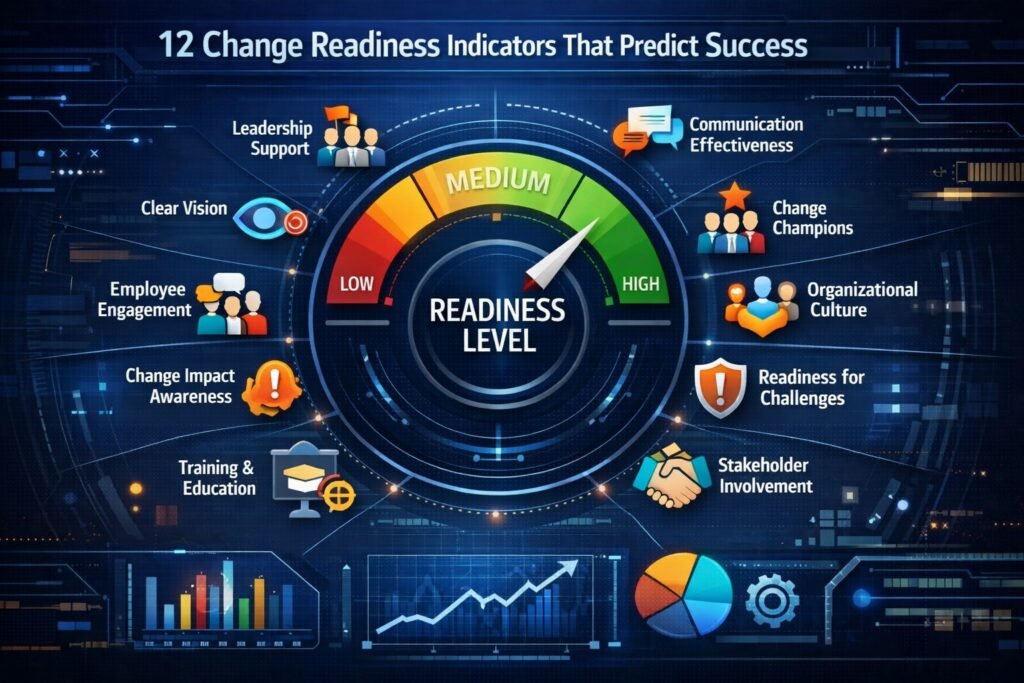
Change is an inevitable aspect of any organization, and embracing it effectively can set the stage for success. However, change isn’t just about implementing new strategies or technologies it requires readiness at various levels. Understanding the indicators that predict an organization’s readiness for change can significantly enhance the chances of successful outcomes. This article explores twelve key change readiness indicators that equip enterprises to navigate transitions with confidence.
Understanding Change Readiness: Why It Matters for Success
Change readiness is the organizational capacity to adapt to new circumstances, processes, or technologies. In today’s fast-paced business environment, organizations that are not prepared for change often struggle to maintain competitiveness. This readiness is crucial not only for the implementation of change initiatives but also for sustaining long-term growth. It’s not merely a checklist to tick off but rather a holistic approach that involves various facets of the organization.
An organization that fosters change readiness demonstrates a proactive rather than reactive approach. Employees who are mentally and emotionally prepared for changes are more likely to engage positively with new initiatives. This engagement can lead to increased productivity and morale, while also reducing resistance during transitions. Ultimately, the readiness to embrace change can become a strategic advantage, enabling organizations to pivot quickly in response to market demands or internal challenges.
Furthermore, change readiness is a cultural attribute that should be woven into the fabric of an organization. Companies that prioritize change readiness tend to instill a mindset of adaptability and resilience among their employees. This not only prepares the workforce for successful transitions but also fosters an environment where innovation can thrive, making it imperative for organizations to assess their change readiness.
Change Readiness Indicators in Organizations
Identifying change readiness indicators is essential for determining how well an organization can manage transition. One key indicator is leadership alignment. When leadership is on the same page regarding the vision and goals of the change initiative, it sends a powerful message throughout the organization. Employees tend to feel more secure when they see their leaders unified and committed to the change, which can enhance overall buy-in.
Another important indicator is stakeholder engagement. Organizations that actively engage various stakeholder groups such as employees, customers, and partners during the change process are more likely to experience success. Feedback from these groups can be invaluable, as it offers insights into potential resistance points and areas of concern that may need to be addressed before implementation.
Additionally, the presence of a structured change management process is a strong indicator of readiness. Organizations that have clearly defined protocols for managing change complete with timelines, responsibilities, and resources are better positioned to navigate transitions smoothly. This structure not only helps in managing expectations but also ensures that everyone involved knows their roles, which can greatly minimize confusion and resistance.
Assessing Employee Engagement During Change Initiatives
Employee engagement is another critical factor in determining change readiness. Engaged employees are likely to be more productive and open to new initiatives. Organizations can assess engagement through surveys, feedback sessions, or one-on-one interviews. Understanding employee sentiments towards the upcoming changes can provide invaluable insights into whether the workforce feels prepared or apprehensive.
Another method to gauge engagement is through participation in change-related activities. If employees are taking part in training sessions, workshops, or discussions about the change, this is a positive sign of readiness. Conversely, low participation rates may indicate a lack of interest or understanding, which could hinder the success of the initiative.
Moreover, recognizing and rewarding employees for their participation and contributions during the change process can boost morale and engagement. Offering incentives for feedback or suggestions not only makes employees feel valued but also fosters a culture of collaboration and inclusiveness, which is essential for successful change management.
The Role of Leadership in Driving Change Readiness Indicators
Leadership plays a pivotal role in fostering change readiness within an organization. Leaders set the tone for how change is perceived and managed. When leaders communicate a clear vision and demonstrate commitment to change, it encourages employees to align their attitudes and behaviors accordingly. Effective leadership involves not just telling employees what to do, but also inspiring and motivating them throughout the transition.
Furthermore, leaders must be approachable and open to feedback during change initiatives. This openness encourages a two-way dialogue, allowing employees to voice concerns or suggestions. When leaders actively listen and respond, it cultivates trust and transparency, significantly enhancing the overall readiness for change.
In addition, leaders should model the behaviors they wish to see in their teams. By embracing change themselves whether through adapting to new technologies or adopting new strategies leaders send a powerful message about the importance of flexibility and adaptability. Such role modeling can resonate throughout the organization, promoting a culture where change is not just accepted but welcomed.
Communication Factors That Enhance Change Preparedness
Effective communication is a cornerstone of change readiness. Clear and consistent messaging about the rationale behind changes helps to demystify the process for employees. When individuals understand the “why” behind a change, they are more likely to embrace it rather than resist. Keeping communication channels open and engaging helps to minimize uncertainty and anxiety that often accompanies change.
Moreover, organizations should utilize multiple communication platforms to reach all employees. Whether through emails, newsletters, town hall meetings, or internal social media, diversifying communication methods ensures that the message resonates with employees at different levels. This multi-channel approach enhances understanding and reinforces the organization’s commitment to transparency.
Additionally, feedback mechanisms should be integrated into the communication strategy. Allowing employees to ask questions or express concerns can provide leaders with critical insights that help tailor the change initiative to meet the workforce’s needs. This engagement not only enhances readiness but also fosters a collaborative spirit throughout the organization.
Organizational Culture’s Impact on Change Acceptance
An organization’s culture has a profound effect on how change is perceived and accepted. A culture that prioritizes adaptability and innovation is naturally more conducive to embracing change. Employees in such environments are more likely to experiment with new ideas and processes, viewing change as an opportunity rather than a threat.
Conversely, organizations with a rigid culture may face significant challenges when implementing change. Resistance can stem from fear of the unknown or a belief that current methods are sufficient. Recognizing this cultural dynamic is crucial when assessing change readiness, as it can highlight areas needing attention before embarking on a new initiative.
Fostering a culture of continuous improvement can help bridge the gap between resistance and acceptance. Encouraging employees to share their ideas and participate in decision-making processes can cultivate a sense of ownership, making them more likely to support changes that affect their roles and responsibilities.
Measuring Change Readiness: Tools and Techniques
Measuring change readiness requires a combination of qualitative and quantitative methods. Surveys can provide quantitative data on employee sentiment towards upcoming changes, while focus groups can offer qualitative insights into the underlying reasons behind those sentiments. Combining these approaches allows organizations to gain a comprehensive understanding of their readiness status.
Another effective technique is conducting readiness assessments. These assessments typically involve evaluating various aspects such as leadership alignment, stakeholder engagement, and organizational culture. A thorough assessment can pinpoint strengths and weaknesses in readiness, guiding the development of targeted strategies for improvement.
Additionally, employing diagnostic tools can help track progress over time. Tools that allow for ongoing assessment of employee engagement, leadership effectiveness, and communication clarity can create a feedback loop that informs decision-making throughout the change process. These insights can help organizations remain agile and responsive as they navigate transitions.
Preparing for Change: Strategies to Boost Readiness
Organizations can implement several strategies to enhance their readiness for change. First, developing a comprehensive change management plan that outlines clear goals, timelines, and responsibilities can streamline the transition process. Such a plan should be well-communicated and visibly supported by leadership.
Training and development initiatives are also crucial for boosting readiness. Providing employees with the necessary skills and knowledge to adapt to changes not only builds confidence but also equips them to contribute positively. Offering training sessions, workshops, and resources tailored to the change can significantly enhance overall readiness.
Lastly, fostering a supportive environment that encourages open dialogue and feedback can empower employees. This could involve regular check-ins or informal discussions where employees feel comfortable expressing their thoughts on the change process. Such initiatives reinforce a culture of collaboration and inclusivity, vital for successful change management.
change readiness, organizational success, employee engagement, leadership, change management, communication, organizational culture, measuring readiness, change initiatives, strategies for change
Conclusion
Navigating change is never easy, but understanding and assessing readiness can significantly improve outcomes. By focusing on the twelve change readiness indicators discussed, organizations can better prepare themselves for successful transitions. Emphasizing leadership, communication, culture, and engagement will create a solid foundation for any change initiative, ultimately leading to a more resilient and agile enterprise.
Hashtags: #ChangeManagement #OrganizationalCulture #EmployeeEngagement #Leadership #ChangeReady
External Source: For more on change management best practices, visit: https://www.prosci.com