Top 10 Project Manager Competencies You Need for Success
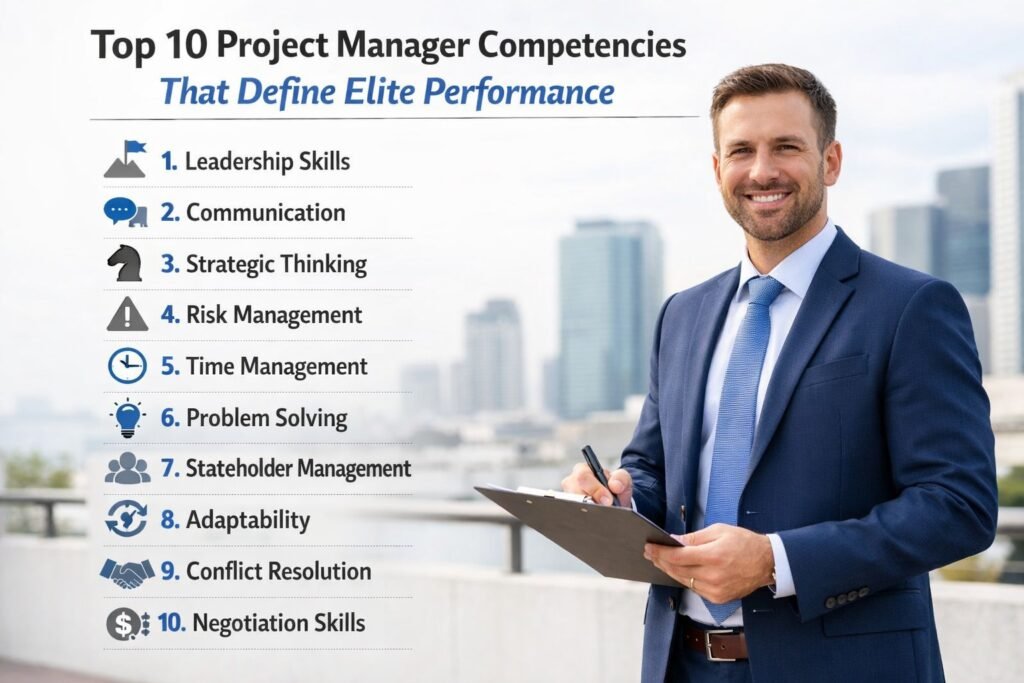
In today’s fast-paced corporate landscape, the role of a project manager is crucial for driving organizational success. With increasing complexity in projects, elite performance hinges on a set of competencies that distinguish the best project managers from the rest. Understanding these competencies not only helps in personal and professional development but also ensures that project outcomes align with strategic goals. This article dives deep into the top ten competencies that define high-performing project managers, providing insights that can elevate your project management game.
Understanding the Importance of Project Manager Competencies
Project management has evolved into a multifaceted discipline requiring a diverse skill set. At its core, effective project management is not just about tracking timelines and budgets; it involves a strategic alignment of resources, stakeholder engagement, and risk management. By honing specific competencies, project managers can navigate challenges more effectively and deliver projects that meet or exceed expectations.
In large organizations, project managers often operate within a complex web of dependencies, stakeholder interests, and regulatory requirements. Competencies serve as foundational tools that enable managers to make informed decisions and communicate those decisions effectively. The right competencies enhance the ability to adapt and innovate, establishing a competitive edge in the market.
Moreover, organizations with skilled project managers are more likely to achieve their strategic goals, as these leaders can foresee potential roadblocks and devise proactive solutions. Emphasizing these competencies not only enhances individual performance but also fosters a culture of excellence within teams and organizations.
Key Leadership Skills for High-Performing Project Managers
Leadership is arguably one of the most critical competencies for project managers. Effective leaders inspire their teams, cultivate collaboration, and drive performance. A project manager must exhibit confidence, decisiveness, and the ability to motivate team members, especially during challenging phases of a project. These qualities help establish trust, which is essential for maintaining team morale and productivity.
A high-performing project manager demonstrates adaptive leadership modifying their style based on the team’s needs and the project’s demands. They need the wisdom to identify when to take a hands-off approach and when to dive in and guide the team directly. This flexibility ensures that team members feel supported, which, in turn, enhances overall project performance.
Additionally, effective leaders are not afraid to delegate responsibilities. They recognize that empowering team members not only boosts individual confidence but also fosters a sense of ownership. This delegation is particularly important in large organizations, where specialized skills and diverse perspectives can lead to innovative solutions and more successful projects.
Effective Communication: The Heart of Project Success
Communication is the linchpin of successful project management. A top project manager must excel in both verbal and written communication, ensuring that all stakeholders from team members to executives are aligned and informed. This clarity helps prevent misunderstandings, reduces redundancy, and fosters an environment where ideas can flow freely.
Moreover, effective communication extends beyond merely disseminating information. It involves active listening and empathy. By understanding the concerns and perspectives of stakeholders, project managers can tailor their messages to resonate better and encourage collaboration. This two-way communication helps build relationships and enhances stakeholder engagement, which is critical for project success.
Finally, the ability to utilize various communication tools and platforms is essential. Whether through project management software, emails, or face-to-face meetings, a project manager must choose the right medium to convey their message effectively. This adaptability not only streamlines communication but also ensures that important information reaches the right people at the right time.
Strategic Thinking: Planning for Long-Term Success
Strategic thinking is a competency that differentiates average project managers from high performers. This skill involves looking beyond immediate tasks and deadlines to understand how project outcomes align with broader organizational goals. A project manager must assess the long-term implications of their decisions, making them more effective in shaping projects that deliver sustainable value.
In large organizations, project managers often have to navigate complex organizational structures and understand various stakeholder priorities. This requires them to evaluate project scopes through a strategic lens. By analyzing market trends, technological advancements, and competitor strategies, they can better position their projects for success and ensure alignment with the organization’s vision.
Additionally, strategic thinking enables project managers to anticipate potential challenges and devise contingency plans. By proactively identifying risks and opportunities, they can allocate resources more effectively and respond to changing circumstances without derailing project timelines.
Problem-Solving Skills: Navigating Project Challenges
In any project, challenges are inevitable. High-performing project managers possess robust problem-solving skills that enable them to navigate these challenges effectively. They approach issues systematically, breaking them down into manageable parts while leveraging data and insights to inform their decisions, ensuring that solutions are both effective and sustainable.
Moreover, successful problem solvers are adaptable. They understand that not every solution will work in every situation. By remaining open to alternative approaches, they can pivot quickly when initial strategies fail. This flexibility is especially important in large organizations, where the scope and scale of projects can change rapidly.
Additionally, fostering a culture of problem-solving within their teams is critical. Project managers who encourage team members to contribute ideas and solutions create an environment of innovation. This collaborative problem-solving not only expedites solutions but also enhances team cohesion and engagement.
Adaptability: Thriving in a Dynamic Project Environment
Adaptability is essential for project managers operating in today’s fast-paced corporate environments. Projects frequently encounter changes due to evolving stakeholder needs, new technologies, or shifting market dynamics. An elite project manager must be able to adjust their strategies and plans accordingly, ensuring that projects remain aligned with organizational goals despite these changes.
Being adaptable also means being open to feedback and new ideas. High-performing project managers actively seek input from their teams and stakeholders, recognizing that diverse perspectives can lead to more innovative solutions. This openness fosters a culture of continuous improvement, which is critical for navigating an ever-changing project landscape.
Furthermore, adaptability is enhanced by a proactive mindset. Instead of reacting to changes as they arise, elite project managers anticipate potential shifts and prepare for them in advance. This foresight allows them to build resilient project plans that can withstand unexpected challenges, ultimately leading to more successful project outcomes.
Time Management: Maximizing Productivity and Efficiency
Effective time management is a fundamental competency for project managers, particularly in large organizations where multiple projects may overlap. High-performing project managers excel at prioritizing tasks, setting deadlines, and allocating resources efficiently. They understand that time is a limited resource and use it judiciously to maximize productivity.
One effective strategy is employing project management tools that facilitate tracking progress against timelines. By using Gantt charts, Kanban boards, or project management software, project managers can visualize workflows and identify bottlenecks. This clarity allows them to make informed decisions about reallocating resources or adjusting timelines as necessary.
Moreover, strong project managers recognize the importance of balancing short-term tasks with long-term goals. They ensure that team members are not only focused on daily tasks but are also aligned with the overarching objectives of the project. This holistic approach to time management not only enhances productivity but also keeps the team motivated and engaged.
Emotional Intelligence: Building Strong Team Dynamics
Emotional intelligence (EI) is a critical competency for project managers focused on building strong team dynamics. High-performing project managers possess a keen awareness of their own emotions and those of their team members, allowing them to navigate interpersonal relationships effectively. This skill is especially valuable in large organizations, where diverse teams may have differing perspectives and communication styles.
A project manager with high emotional intelligence fosters an inclusive environment where team members feel valued and understood. By being attuned to the emotional climate of the team, they can address conflicts before they escalate and maintain a positive working atmosphere. This emotional awareness promotes collaboration and motivates team members to give their best effort.
Furthermore, project managers who exhibit empathy and understanding often inspire loyalty among team members. This loyalty can translate into higher levels of commitment and productivity, ultimately driving project success. By prioritizing emotional intelligence, project managers can create high-performing teams that thrive in challenging environments.
Frequently Asked Questions: Project Manager Competencies
What are project manager competencies and why do they matter?
Project manager competencies refer to the combination of skills, behaviors, and knowledge areas that enable a project manager to deliver successful outcomes. In enterprise environments, these competencies go beyond technical execution
they encompass leadership, communication, strategic alignment, and decision-making.
They matter because modern projects are increasingly complex, involving cross-functional teams, competing priorities, and evolving stakeholder expectations. Competencies provide a structured capability framework that allows project managers to operate effectively within this complexity. Organizations that prioritize competency development consistently achieve higher project success rates, improved stakeholder satisfaction, and stronger alignment with business objectives.
How do competencies differ from project management skills?
While often used interchangeably, competencies and skills are not identical. Skills typically refer to specific abilities, such as scheduling, budgeting, or risk analysis. Competencies, on the other hand, are broader and integrate skills with behaviors, experience, and contextual application.
For example, communication as a skill involves conveying information clearly, whereas communication as a competency includes active listening, stakeholder influence, and adapting messaging to different audiences.
From an enterprise perspective, competencies are more valuable because they reflect how effectively a project manager can apply their skills in real-world, complex scenarios.
Which competencies are most critical for high-performing project managers?
High-performing project managers typically demonstrate a blend of leadership, strategic thinking, communication, problem-solving, adaptability, time management, and emotional intelligence.
Leadership ensures teams remain motivated and aligned, while strategic thinking connects project outputs to organizational goals. Communication enables clarity and stakeholder engagement, and problem-solving ensures challenges are addressed efficiently.
Adaptability is critical in dynamic environments, while time management ensures optimal use of resources. Emotional intelligence strengthens team cohesion and conflict resolution. Together, these competencies form a comprehensive capability set required for enterprise-level project success.
How can project managers develop these competencies effectively?
Developing competencies requires a structured and continuous approach. Project managers should begin with self-assessment and feedback from stakeholders to identify gaps.
Professional development initiatives such as training programs, certifications, and mentoring can accelerate growth. On-the-job experience is equally important exposure to complex projects, cross-functional teams, and high-pressure environments builds real-world capability.
Organizations should also support competency development through leadership programs, coaching, and performance management frameworks. Continuous learning and reflection are essential to maintaining relevance in an evolving project landscape.
How do leadership competencies impact project success?
Leadership competencies directly influence team performance, stakeholder trust, and overall project outcomes. A project manager with strong leadership capabilities can inspire teams, resolve conflicts, and maintain focus during challenging phases.
In large organizations, leadership also involves navigating organizational politics, aligning diverse stakeholder interests, and driving accountability. Effective leaders create an environment where teams feel empowered and engaged, leading to higher productivity and innovation.
Ultimately, leadership is the competency that integrates all others, ensuring that technical execution is supported by strong human and organizational dynamics.
Why is communication considered a core competency?
Communication is central to every aspect of project management. It ensures that objectives, expectations, and progress are clearly understood by all stakeholders.
In enterprise settings, where multiple teams and stakeholders are involved, miscommunication can lead to delays, rework, and conflicts. Strong communication competency includes not only delivering information but also listening, interpreting feedback, and adapting messaging based on the audience.
Effective communication fosters transparency, builds trust, and ensures alignment across all levels of the organization.
How does strategic thinking enhance project outcomes?
Strategic thinking enables project managers to align project execution with broader organizational goals. Rather than focusing solely on immediate deliverables, strategic project managers consider long-term value, business impact, and competitive positioning.
This competency allows them to prioritize initiatives, allocate resources effectively, and anticipate future challenges. In large organizations, strategic thinking is essential for ensuring that projects contribute meaningfully to corporate objectives and deliver sustainable results.
It also enhances decision-making by providing a broader perspective on risks, opportunities, and dependencies.
What role does emotional intelligence play in team performance?
Emotional intelligence (EI) is critical for managing team dynamics and fostering collaboration. Project managers with high EI can recognize and manage their own emotions while understanding and influencing the emotions of others.
This competency is particularly important in diverse and cross-functional teams, where differing perspectives and communication styles can create friction. By demonstrating empathy, active listening, and conflict resolution skills, project managers can maintain a positive and productive team environment.
High emotional intelligence leads to stronger relationships, increased trust, and improved team engagement all of which contribute to better project outcomes.
How can organizations assess project manager competencies?
Organizations can assess competencies through a combination of performance evaluations, 360-degree feedback, and competency frameworks. These assessments should measure both technical and behavioral aspects of performance.
Key indicators may include project delivery success, stakeholder satisfaction, leadership effectiveness, and the ability to manage complexity. Competency assessments should be aligned with organizational goals to ensure relevance and impact.
Regular evaluation enables organizations to identify development needs, allocate training resources effectively, and build a pipeline of high-performing project leaders.
What are the long-term benefits of developing project manager competencies?
Investing in project manager competencies delivers significant long-term benefits for both individuals and organizations. For individuals, it enhances career progression, leadership capability, and professional credibility.
For organizations, strong competencies lead to improved project success rates, better resource utilization, and stronger alignment with strategic objectives. It also fosters a culture of excellence, innovation, and continuous improvement.
In an increasingly complex business environment, organizations that prioritize competency development are better positioned to adapt, compete, and achieve sustained success.
In conclusion, the competencies of elite project managers go far beyond technical skills and methodologies. Leadership, communication, strategic thinking, problem-solving, adaptability, time management, and emotional intelligence collectively form a robust framework for achieving project success. By investing in the development of these competencies, project managers can enhance their effectiveness, foster high-performing teams, and contribute meaningfully to their organizations. As the corporate landscape continues to evolve, these skills will be invaluable in navigating the complexities of project management.
Hashtags
ProjectManagement #LeadershipSkills #EmotionalIntelligence #TeamDynamics #StrategicThinking
External Source
For further insights on project management competencies, check out this resource from the Project Management Institute
Explore blog insights