Top Project Resource Forecasting Methods That Prevent Bottlenecks
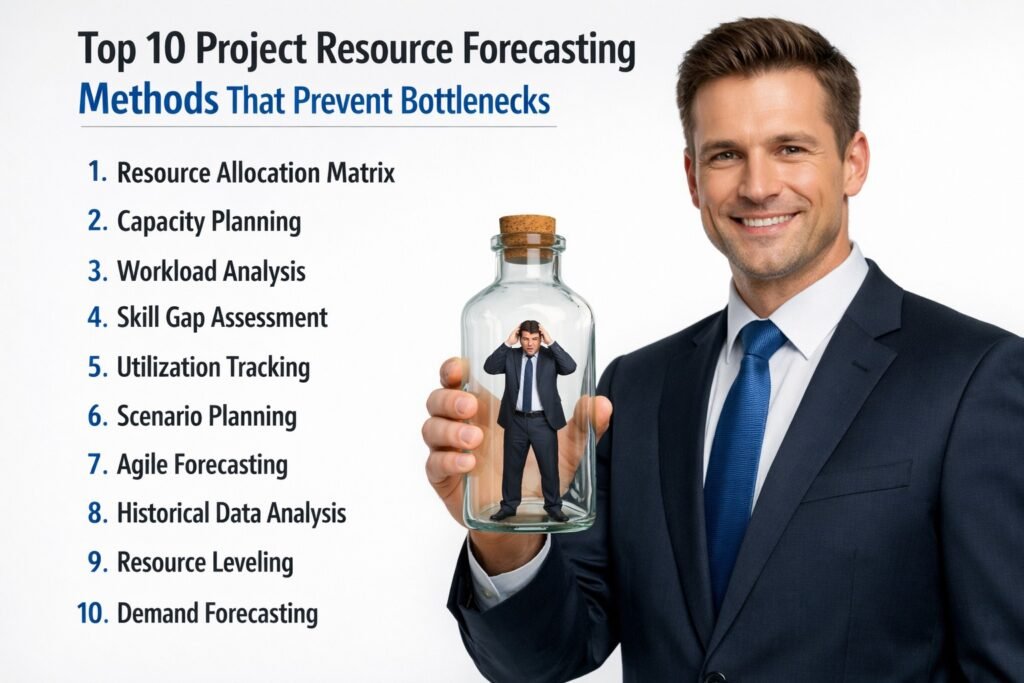
In project management, the capability to forecast resources accurately can make or break a project. Bottlenecks can arise from various factors, including inadequate planning, miscommunication, or unexpected resource constraints. These obstacles often lead to delays, budget overruns, and diminished quality of work. In this article, we explore the top ten resource forecasting methods that not only prevent these bottlenecks but also empower organizations to optimize their project management strategies.
Understanding the Importance of Project Resource Forecasting Methods
Project Resource Forecasting Methods is the cornerstone of effective project management. By predicting the necessary resources whether human, financial, or material organizations can allocate their assets efficiently and ensure that all project phases proceed smoothly. The importance of this process is heightened in large enterprises, where the complexity of projects can lead to an overwhelming array of tasks, timelines, and deliverables. Organizations must embrace forecasting as a proactive measure rather than a reactive one.
Effective resource forecasting enables companies to identify potential issues before they arise. When resources are allocated meticulously, project managers can anticipate the need for additional assistance or materials, which ultimately saves time and costs. Moreover, accurate forecasting improves team morale, as employees are less likely to face burnout from last-minute scrambles or unrealistic deadlines. In essence, organizations that prioritize resource forecasting position themselves for success and maintain a competitive edge in their respective markets.
Furthermore, with the advent of technology and big data, resource forecasting has evolved considerably. Traditional methods are now complemented with advanced analytics, machine learning, and real-time data. This data-driven approach allows project managers to make informed decisions based on historical trends and current project dynamics, thereby significantly enhancing the accuracy of forecasts. Understanding the importance of resource forecasting is crucial for any enterprise aiming to enhance its operational efficiency and project outcomes.
Common Bottlenecks and Their Impact on Project Success
Bottlenecks are the silent killers of project efficiency. Often, they manifest as delays in deliverables, miscommunication between teams, or unexpected resource shortages. The consequences can be dire: delays lead to budget overruns, stakeholder dissatisfaction, and compromised project quality. Identifying these bottlenecks early can save organizations from potential financial pitfalls and reputational harm.
Common bottlenecks can be categorized into internal and external factors. Internal factors might include poor resource allocation, unclear roles, or inadequate training, while external factors can encompass supply chain disruptions or shifts in market demand. Large organizations often face a unique set of challenges due to their complex structures and diverse stakeholder interests. This complexity necessitates a robust resource forecasting strategy to mitigate the risk of bottlenecks.
Moreover, the long-term impact of unresolved bottlenecks can resonate beyond the immediate project. Stakeholder trust can erode, team morale may decline, and the organization could face increased scrutiny. To counter these risks, organizations must not only adopt forecasting methods but also create a culture of continuous improvement. By addressing bottlenecks head-on, enterprises can foster a more resilient project management environment.
Method 1: Utilizing Predictive Analytics for Project Resource Forecasting Methods
Predictive analytics has emerged as a game-changer in resource management. This method involves analyzing historical data and trends to forecast future resource needs. By harnessing data from previous projects, organizations can build models that provide insights into potential resource shortages or surpluses. For large corporations, these predictive models can be particularly beneficial in managing multiple projects simultaneously.
Using predictive analytics allows project managers to make informed decisions regarding resource allocation. For instance, if historical data indicates a recurring shortage of specific skill sets during particular phases of projects, management can proactively address this issue by hiring or training additional resources in advance. This foresight can significantly reduce the likelihood of bottlenecks occurring in critical project areas.
Moreover, integrating predictive analytics into the project management process can enhance communication and collaboration among teams. When all stakeholders are equipped with data-driven insights, they can align their expectations and work more cohesively toward project goals. The result is a streamlined project execution process, with fewer interruptions and increased accountability.
Method 2: Implementing Agile Resource Allocation Techniques
Agile resource allocation techniques focus on flexibility and adaptability, which are crucial in today’s dynamic business landscape. Unlike traditional resource management methods that can be rigid and slow to adapt, agile practices allow organizations to respond quickly to changing project demands. This flexibility can significantly reduce the risk of bottlenecks that arise from unforeseen changes or challenges.
In an agile framework, project teams regularly assess their resource needs and adjust accordingly. This might involve reallocating staff to different tasks based on their availability or expertise, thereby optimizing resource utilization. By adopting this approach, organizations can respond to shifts in project scope, timelines, or stakeholder demands without the typical delays associated with rigid planning.
Additionally, implementing agile resource allocation fosters a culture of collaboration and innovation. Teams are encouraged to share insights and communicate openly, breaking down silos that can contribute to bottlenecks. This collaborative environment not only enhances project outcomes but also leads to greater employee engagement and satisfaction, as team members feel empowered to contribute to the project’s success.
Method 3: Leveraging Historical Data for Accurate Forecasting
Historical data serves as a treasure trove of information for organizations seeking to improve their resource forecasting capabilities. By analyzing past project performances, organizations can identify patterns and trends that inform future resource needs. This method is particularly effective for large enterprises juggling multiple projects, allowing them to make data-driven decisions about resource allocation.
Leveraging historical data allows project managers to establish benchmarks and set realistic timelines. For instance, if previous projects of similar scope took longer than anticipated due to resource shortages, management can adjust future project plans to account for these insights. This practice minimizes the risk of oversights and enhances overall project accuracy.
Moreover, organizations that emphasize the importance of historical data foster a culture of learning and improvement. Teams can analyze what worked and what didn’t, creating a feedback loop that encourages continuous refinement of processes. By making data-driven decisions, companies can not only prevent bottlenecks but also enhance their strategic planning capabilities for future projects.
Method 4: Integrating Advanced Software Solutions for Planning
In today’s technology-driven landscape, advanced software solutions play an essential role in resource forecasting and management. Project management tools equipped with AI and machine learning capabilities can analyze vast amounts of data to provide real-time insights into resource needs. These tools can identify potential bottlenecks before they escalate, allowing teams to take proactive measures.
The integration of advanced software solutions streamlines the planning process by enabling project managers to visualize resource allocation dynamically. With features like Gantt charts, resource calendars, and dashboards, teams can monitor progress and make adjustments in real time. This visibility allows for quicker decision-making and a more agile approach to resource management.
Moreover, these software solutions often come with collaborative features that promote communication among teams. When everyone has access to the same data and insights, it becomes easier to coordinate efforts and adjust plans as needed. By integrating advanced tools into their resource forecasting strategies, organizations can not only prevent bottlenecks but also enhance overall project efficiency.
Method 5: Collaborating Across Teams for Better Insights
Collaboration is a cornerstone of effective resource forecasting. In large organizations, different teams often work in silos, which can lead to miscommunication and missed opportunities to optimize resource allocation. By fostering collaboration across teams, organizations can gain a more comprehensive understanding of resource needs and potential bottlenecks.
Regular cross-functional meetings can serve as a platform for teams to share insights and align their goals. For instance, marketing and development teams can collaborate to ensure that product launches are timed appropriately with resource availability. This proactive approach helps to mitigate risks and ensures that all departments are working toward a common objective.
Additionally, leveraging collaborative tools can enhance communication and streamline processes. Platforms that allow for real-time updates and shared access to documents can reduce misunderstandings and ensure that everyone is on the same page. By nurturing a collaborative environment, organizations can unlock valuable insights that lead to more accurate resource forecasts and fewer bottlenecks.
Method 6: Continuous Monitoring and Adaptive Strategies in Action
Continuous monitoring is essential for effective resource forecasting. In a dynamic business environment, conditions can change rapidly, necessitating adjustments in resource allocation. By implementing adaptive strategies, organizations can remain agile and responsive to these changes, significantly reducing the risk of bottlenecks.
Monitoring project progress in real time allows project managers to identify issues as they arise. For example, if a specific task is lagging behind schedule, managers can quickly reallocate resources to address the delay. This proactive approach not only minimizes disruptions but also fosters a culture of accountability among team members.
Additionally, adaptive strategies encourage organizations to embrace a mindset of continuous improvement. By regularly assessing outcomes and adjusting plans accordingly, teams can learn from past experiences and refine their resource forecasting methods. This iterative approach not only prevents bottlenecks but also positions organizations for long-term success by enhancing their project management capabilities.
Frequently Asked Questions: Project Resource Forecasting Methods and Bottleneck Prevention
What is project resource forecasting in project management?
Project resource forecasting is the process of predicting the people, budget, time, and tools required to deliver a project successfully. It involves analysing historical data, current workloads, and future project demands to ensure resources are allocated efficiently. In enterprise environments, this capability is critical for aligning delivery with strategic objectives while avoiding overutilization or underutilization of key resources.
Why is Project Resource Forecasting Methods essential for preventing bottlenecks?
Resource forecasting enables organizations to identify capacity constraints before they disrupt delivery. Bottlenecks occur when demand exceeds available resources, slowing down critical tasks and impacting timelines. By forecasting accurately, project managers can proactively adjust workloads, secure additional resources, or re-sequence activities to maintain consistent progress and avoid costly delays.
What are the main causes of resource bottlenecks in large-scale projects?
Common causes include poor planning, lack of visibility into resource availability, inaccurate demand estimation, and competing priorities across multiple projects. In large organizations, bottlenecks are often amplified by siloed teams and ineffective communication. Without a centralized view of resource allocation, organizations struggle to respond quickly to shifting demands, leading to inefficiencies and delays.
What are the most effective resource forecasting methods?
Effective methods include capacity planning, trend analysis, scenario planning, rolling wave forecasting, and predictive analytics. Capacity planning ensures alignment between workload and available resources, while scenario planning prepares organizations for different demand outcomes. Enterprises often combine multiple forecasting techniques to improve accuracy and maintain flexibility in complex environments.
How does capacity planning improve resource forecasting accuracy?
Capacity planning provides a clear view of available resources compared to projected demand. By understanding team capacity, organizations can prevent overloading critical resources and ensure that work is distributed evenly. This approach helps maintain productivity, reduces burnout, and ensures that critical tasks are completed without delay.
How does resource forecasting impact project timelines?
Accurate resource forecasting directly influences project timelines by ensuring that the necessary resources are available when needed. When forecasting is done effectively, projects experience fewer delays, smoother workflows, and better coordination across teams. Poor forecasting, on the other hand, leads to missed deadlines, rework, and inefficient use of resources.
What role does technology play in resource forecasting?
Technology is a key enabler of modern resource forecasting. Advanced project management tools provide real-time visibility into resource availability, workload distribution, and project progress. These platforms often include analytics and reporting features that allow organizations to make data-driven decisions, improving forecasting accuracy and reducing the likelihood of bottlenecks.
How can organizations improve their resource forecasting processes?
Organizations can improve forecasting by adopting data-driven approaches, standardizing processes, and integrating forecasting tools across teams. Regularly updating forecasts based on real-time data, aligning stakeholders, and investing in training are also critical steps. Continuous monitoring and refinement ensure that forecasting remains accurate as project conditions evolve.
What is the difference between resource planning and resource forecasting?
Resource planning focuses on allocating resources based on known project requirements, while resource forecasting predicts future resource needs based on trends and expected demand. Forecasting is more proactive and strategic, enabling organizations to prepare for upcoming challenges, whereas planning is typically more operational and execution-focused.
How does resource forecasting support risk management?
Resource forecasting helps identify potential risks related to resource shortages, skill gaps, and overutilization. By anticipating these issues early, organizations can implement mitigation strategies such as reallocating resources, adjusting timelines, or securing additional capacity. This proactive approach reduces uncertainty and enhances overall project resilience.
Can resource forecasting adapt to changing project requirements?
Yes, effective resource forecasting is designed to be flexible. Techniques such as rolling wave forecasting and scenario planning allow organizations to continuously update their forecasts based on new information. This adaptability is essential in dynamic environments where project scope, priorities, and external factors can change rapidly.
What are the benefits of accurate resource forecasting for enterprises?
Accurate resource forecasting delivers multiple benefits, including improved efficiency, reduced project delays, better cost control, and enhanced stakeholder satisfaction. It also enables organizations to make informed strategic decisions, optimize workforce utilization, and maintain a competitive advantage in complex project environments.
Conclusion – Project Resource Forecasting Methods
In conclusion, effective Project Resource Forecasting Methods are crucial for the success of any project, especially in large organizations facing complex challenges. By leveraging various methods such as predictive analytics, agile resource allocation, historical data analysis, advanced software solutions, team collaboration, and continuous monitoring, enterprises can significantly reduce the risk of bottlenecks. Implementing these strategies not only enhances operational efficiency but also fosters a culture of innovation and resilience within teams. Ultimately, the ability to forecast resources accurately can empower organizations to navigate the complexities of project management with confidence.
Hashtags: #ProjectManagement #ResourceForecasting #Agile #ContinuousImprovement #Collaboration
External Source: Explore Resource forecasting 101 by Float
Discover more great insights: