
Top 10 Agile Leadership Traits That Deliver Results
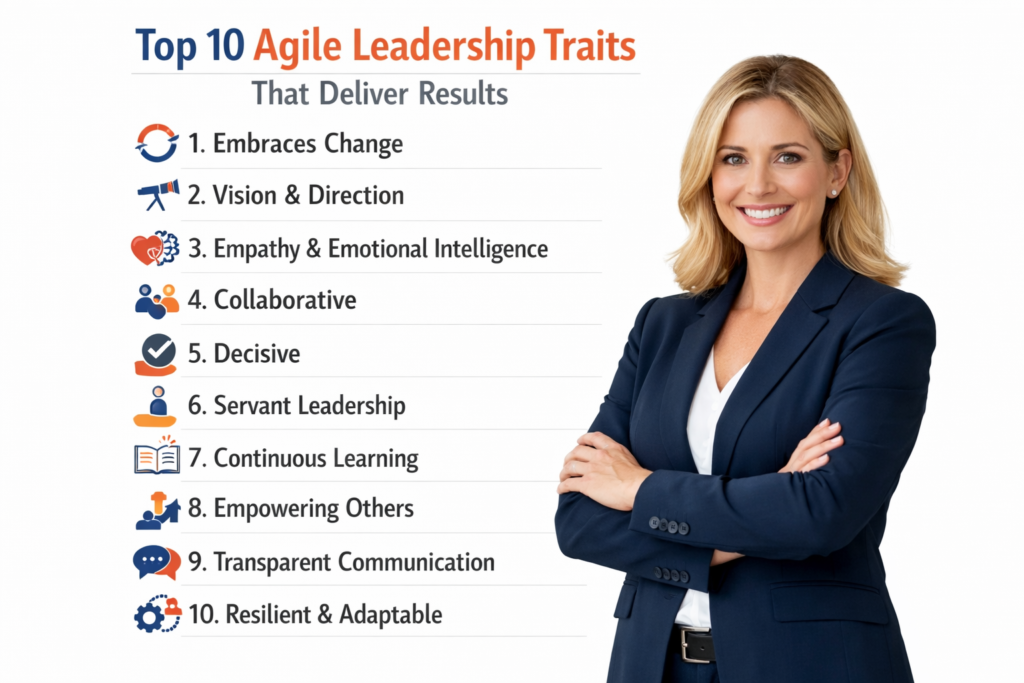
In an ever-evolving corporate landscape, agile leadership has emerged as a pivotal approach for organizations aiming to navigate uncertainty and drive results. This method emphasizes flexibility, collaboration, and open communication, paving the way for leaders to foster a culture of innovation and efficiency. As companies strive to adapt to rapid changes, understanding the key traits of agile leadership becomes essential. In this article, we explore the top ten traits that empower agile leaders to inspire their teams and deliver impactful results.
Understanding Agile Leadership in Today’s Corporate World
Agile leadership is reshaping how organizations operate, especially in rapidly changing industries. Leaders are no longer viewed merely as decision-makers; they are facilitators who cultivate environments conducive to creativity and responsiveness. At its core, agile leadership allows teams to pivot quickly in response to market demands, enhancing not only efficiency but also employee satisfaction. This approach encourages leaders to break down traditional hierarchies, fostering a more inclusive culture where every voice is valued.
In a corporate landscape characterized by disruption, agile leaders must possess a keen understanding of their team’s dynamics and strengths. They wear many hats, from coaches to mentors, guiding their teams through challenges while encouraging autonomy. This adaptability is crucial for maintaining momentum in projects, ensuring that teams remain aligned with overarching organizational goals. Agile leaders excel in creating a shared vision, motivating their teams to rally around a common purpose, which is vital for sustained success.
Moreover, agile leadership emphasizes the importance of feedback. Continuous improvement is at the heart of this approach, where leaders create mechanisms for regular assessments and reflections. By actively seeking input from their teams, they foster a culture of openness and trust, which is essential for navigating complexities. This iterative process not only drives performance but also nurtures innovative thinking, laying the groundwork for long-term organizational resilience.
The Importance of Adaptability in Leadership Styles
In today’s fast-paced business climate, adaptability is no longer a luxury; it’s a necessity. Agile leaders must be able to shift their leadership styles based on the situation, the team composition, and the specific challenges at hand. Whether it’s transitioning from a directive approach in crisis situations to a more supportive style during collaborative projects, adaptability allows leaders to respond effectively to varying demands. This flexibility ensures that they can meet their teams where they are, nurturing an environment that promotes engagement and productivity.
Adaptability also extends to decision-making processes. Agile leaders are keen on involving their teams in important decisions, recognizing that diverse perspectives can lead to better outcomes. They encourage a mindset where experimentation is valued, accepting that failure is often a stepping stone to success. By fostering a culture of learning and adaptation, they empower team members to take calculated risks, leading to innovative solutions that drive the organization forward.
Additionally, adaptable leaders are more likely to manage stress and uncertainty effectively. They can remain calm during challenging times, instilling confidence in their teams and guiding them through turbulence. This psychological safety is crucial for teams to express concerns and propose new ideas, ensuring that the organization remains agile and responsive. As they navigate complexities, agile leaders exemplify the ability to pivot while maintaining focus on strategic objectives.
Building Trust Through Open Communication Practices
Trust is the cornerstone of any successful team, and agile leaders understand that open communication is the key to building this trust. By fostering a culture where team members feel safe to express their thoughts and concerns, leaders can cultivate a collaborative environment that encourages participation. Regular check-ins, team meetings, and transparent sharing of information not only boost morale but also enhance accountability, leading to higher performance levels.
Moreover, open communication allows agile leaders to identify potential issues before they escalate. When team members feel comfortable sharing their concerns, leaders can address them proactively, preventing misunderstandings and fostering a sense of shared purpose. This continuous dialogue helps in aligning individual goals with organizational objectives, creating a cohesive team that is motivated to achieve collective success.
Additionally, effective communication extends beyond the team; it involves engaging with stakeholders and clients as well. Agile leaders prioritize stakeholder feedback, ensuring that the team’s efforts are aligned with market needs. By actively involving stakeholders in discussions, they create a sense of ownership and accountability, making it easier to drive initiatives forward. The result is not just a more harmonious work environment but also a more innovative and responsive organization.
Fostering Collaboration Among Diverse Team Members
Collaboration is essential in an agile framework, and great leaders are adept at fostering an environment where diverse talents unite to achieve common goals. They recognize that diverse teams bring varied perspectives and strengths to the table, which can enhance creativity and problem-solving capabilities. Agile leaders actively seek to build teams that include individuals from different backgrounds, experiences, and skill sets, understanding that this diversity is a powerful asset in today’s complex business environment.
To cultivate collaboration, agile leaders create opportunities for team members to work together on projects, encouraging cross-functional collaboration and knowledge sharing. This can be facilitated through workshops, team-building events, and collaborative tools that enable seamless communication. By breaking down silos and promoting interdisciplinary teamwork, leaders can harness the full potential of their teams, leading to innovative solutions and improved project outcomes.
Moreover, agile leaders understand that collaboration requires a strong foundation of trust and respect. They model these values in their interactions, encouraging team members to value each other’s contributions. By recognizing and celebrating individual and team achievements, leaders can reinforce positive collaboration and motivate team members to engage more fully. In a collaborative environment, teams are more likely to thrive, adapting quickly to challenges and seeking creative solutions together.
Embracing a Growth Mindset for Continuous Improvement
A growth mindset is a critical trait for agile leaders, as it fosters a culture of continuous improvement within teams. Leaders who embrace this mindset view challenges as opportunities for learning and innovation rather than as setbacks. They encourage teams to adopt a similar approach, promoting an atmosphere where experimentation and risk-taking are not just accepted but celebrated. This shift in perspective empowers team members to pursue new ideas, enhance their skills, and ultimately improve performance.
To cultivate a growth mindset, agile leaders provide their teams with access to development resources, including training programs and mentorship opportunities. They emphasize the importance of self-reflection and constructive feedback, encouraging team members to analyze their experiences and identify areas for improvement. By creating a safe space for learning from mistakes, leaders help to normalize the process of trial and error, leading to a more resilient and adaptable workforce.
Additionally, agile leaders recognize that fostering a growth mindset extends beyond individual improvement; it’s about enhancing team capabilities as a whole. By investing in team development, they create collaborative learning experiences where members share knowledge and support each other’s growth. As a result, teams become more agile and innovative, capable of responding to changing market conditions and driving the organization toward success.
Inspiring Innovation Through Empowerment and Autonomy
Empowerment is a hallmark of agile leadership, as it encourages team members to take ownership of their work and contribute actively to the organization’s goals. Agile leaders understand that when employees are given the autonomy to make decisions, they are more likely to be engaged and motivated. This sense of ownership not only drives productivity but also fosters a culture of innovation, where team members feel encouraged to propose creative solutions and challenge the status quo.
Empowerment can take many forms, from delegating responsibilities to involving team members in strategic planning discussions. Agile leaders create an environment where everyone’s input is valued, encouraging team members to share their ideas and insights. This collaborative approach not only enhances creativity but also fosters a sense of belonging, as individuals see their contributions making a tangible impact on the organization.
Moreover, providing autonomy also requires leaders to be comfortable with relinquishing control. Agile leaders trust their teams to make decisions and manage their work, which can lead to increased innovation and quicker responses to market demands. They also understand the importance of providing support and resources, ensuring that team members have what they need to succeed. By striking this balance between empowerment and guidance, leaders can inspire their teams to excel and drive results through innovative thinking.
Making Data-Driven Decisions for Better Outcomes
In today’s data-rich environment, agile leaders recognize the importance of leveraging data to inform decision-making. They understand that data-driven decisions lead to more accurate insights, enabling teams to respond to challenges and opportunities effectively. By analyzing performance metrics, market trends, and customer feedback, agile leaders can make informed choices that align with organizational goals, ultimately driving better outcomes.
Moreover, an emphasis on data fosters accountability within teams. Agile leaders encourage their members to track progress and evaluate results regularly, creating a culture of transparency and responsibility. Teams that rely on data to assess their performance are more likely to identify areas for improvement and adjust their strategies accordingly. This continuous evaluation not only enhances efficiency but also empowers team members to take ownership of their results.
In addition to internal metrics, agile leaders also prioritize external data sources that can influence their strategic direction. By staying attuned to industry trends and competitor actions, they can adapt their approaches proactively. Engaging with data analytics platforms and industry reports helps leaders to identify emerging opportunities and challenges, positioning their organizations to respond effectively. In this way, data-driven decision-making becomes an integral part of an agile leader’s toolkit, enabling them to navigate complexity with confidence.
Leading with Emotional Intelligence for Team Success
Emotional intelligence (EI) is a critical trait for agile leaders, as it enables them to connect with their teams on a deeper level. Leaders with high EI can recognize and understand their own emotions and those of their team members, fostering a supportive and empathetic work environment. This emotional connection is essential in building trust, enhancing collaboration, and ensuring that team members feel valued and heard.
Agile leaders leverage their emotional intelligence to navigate conflicts and challenges within teams effectively. They approach difficult conversations with empathy and understanding, allowing them to address issues constructively and find common ground. By prioritizing emotional well-being, leaders create a psychologically safe environment where team members can express their feelings and concerns without fear of repercussion. This approach not only enhances team morale but also promotes resilience in the face of challenges.
Additionally, emotionally intelligent leaders can inspire and motivate their teams through authentic communication. By sharing their own experiences and vulnerabilities, they humanize the leadership role and create a sense of relatability. This authenticity encourages team members to engage with their work passionately, driving motivation and commitment. As agile leaders cultivate emotional intelligence within themselves and their teams, they create a culture that values empathy, collaboration, and collective success.
Conclusion – Agile Leadership Traits
Agile leadership is more than just a set of traits; it’s a mindset that empowers leaders to navigate the complexities of the modern corporate world effectively. By embracing adaptability, open communication, collaboration, and emotional intelligence, agile leaders can inspire their teams to achieve remarkable results. As organizations continue to evolve, understanding and cultivating these traits will be essential for leaders looking to thrive in dynamic environments. By investing in agile leadership, companies can create a culture that not only drives performance but also fosters innovation and resilience.
Hashtags: #AgileLeadership #TeamSuccess #EmotionalIntelligence #Innovation #GrowthMindset
External Source: For more insights on agile leadership, visit Forbes
Discover project management resources