Project Execution vs Operational Execution: Project vs Business Delivery
In the fast-paced world of corporate enterprises, understanding the nuances between project execution and operational execution is essential for success. These two concepts, while seemingly similar, serve distinct purposes and involve different methodologies in delivering value to the organization. As businesses constantly strive for growth and efficiency, delineating the differences and interconnections between project and operational execution can be crucial for leaders and stakeholders alike.
Understanding Project Execution in Business Contexts
Project execution refers to the phase of project management where plans are put into action to achieve specific objectives within defined timelines. This process typically involves coordinating resources, managing teams, and adhering to a predefined scope. In large organizations, project execution often centers around unique initiatives that are temporary by nature, such as launching a new product, implementing a software system, or constructing a new facility. Each project carries unique constraints and deliverables that contribute to an organization’s strategic goals.
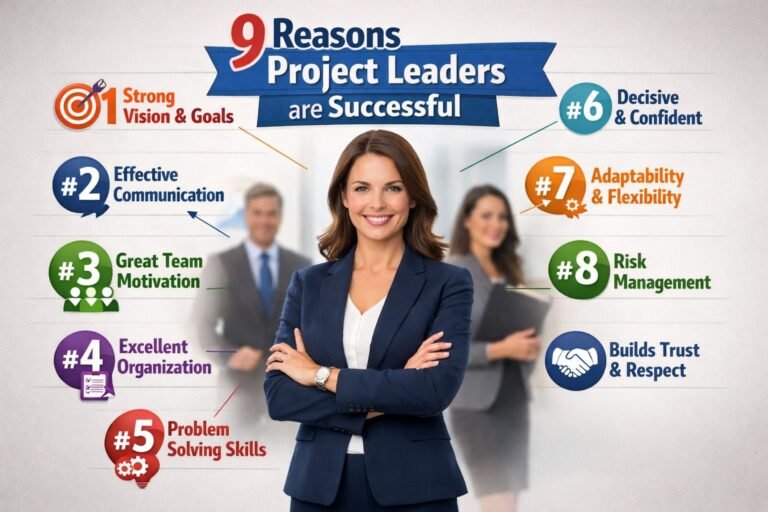
During the project execution phase, effective communication and collaboration among various departments are paramount. Teams must work cohesively to ensure each segment of the project aligns with the overall vision, timeline, and budget. This requires strong leadership and often the use of project management tools to track progress, manage risks, and adjust to unforeseen challenges. The success of project execution is typically measured by how well it adheres to initial plans while delivering on the expected outcomes within established constraints.
Moreover, project execution often necessitates a higher level of flexibility compared to regular operational tasks. Teams may need to adapt quickly to changes in market conditions, stakeholder expectations, or unforeseen events. This adaptability allows organizations to innovate and stay competitive. Understanding how to manage this dynamic environment is crucial for project managers, as their decisions can significantly impact the overall success of the organization.
Defining Operational Execution and Its Importance
Operational execution, on the other hand, pertains to the ongoing activities that keep a business running smoothly. This includes everything from daily administrative functions to production processes, customer service, and supply chain management. In essence, operational execution focuses on the continuous delivery of products and services that align with the organization’s mission and vision. For large enterprises, operational execution is fundamental for ensuring that the business remains profitable and competitive in the market.
The importance of operational execution cannot be overstated. It encompasses the efficiency and effectiveness of day-to-day activities that directly impact customer satisfaction and business performance. High-performing organizations often prioritize optimizing their operational processes, implementing lean methodologies, and adopting best practices to eliminate waste, reduce costs, and improve service delivery. Strong operational execution can lead to enhanced customer experiences, higher employee morale, and ultimately, greater profitability for the organization.
Moreover, operational execution involves a steady commitment to quality assurance and continuous improvement. By regularly assessing and refining operational processes, organizations can adapt to changing market conditions and customer preferences. This ongoing focus on operational excellence not only helps in maintaining business continuity but also sets the foundation for any future projects or initiatives that may arise.
Key Differences Between Project and Operational Execution
While both project and operational execution are critical for the success of an enterprise, they are distinct in nature and focus. Project execution is temporary, aimed at achieving specific objectives within a defined timeframe, whereas operational execution is continuous, focusing on sustaining and optimizing ongoing business processes. This fundamental difference shapes the strategies and skills required for effective management of each.
Another key distinction lies in the measurement of success. Success in project execution is often gauged by whether the project meets its defined objectives, is completed on time, and stays within budget. Conversely, operational execution success is measured through performance metrics such as efficiency, quality, and customer satisfaction. These metrics provide insights into how well the organization is functioning on a day-to-day basis and whether it is meeting its strategic goals.
Additionally, the risk management approaches differ between the two. In project execution, risk management involves identifying potential project risks upfront and devising mitigation strategies. This proactive approach is essential for keeping the project on track. In operational execution, risk management is more about monitoring ongoing processes and adapting to issues as they arise. This reactive approach ensures that business operations can continue smoothly despite unforeseen challenges.
The Role of Stakeholders in Project Execution
The role of stakeholders in project execution is pivotal, as they can significantly influence the project’s direction, resources, and success. Stakeholders may include project sponsors, team members, customers, and vendors. Effective stakeholder engagement is crucial for ensuring that everyone involved understands the project goals and their roles within it. This not only fosters collaboration but also helps in addressing any concerns or objections that may arise during execution.
To manage stakeholders effectively, project managers often utilize communication plans that outline how and when updates will be provided. This allows stakeholders to remain informed and engaged throughout the project lifecycle. Open lines of communication help in building trust and ensuring that stakeholders feel valued, which can lead to increased support for the project and ultimately its success.
Moreover, stakeholders can provide valuable insights and feedback that can enhance project execution. Their expertise and perspectives can help identify potential challenges early on and help in formulating solutions. Involving stakeholders in decision-making processes can lead to more innovative and effective outcomes, as it encourages diverse viewpoints and fosters a collaborative environment.
Strategies for Effective Project Delivery in Enterprises
To ensure effective project delivery within large enterprises, organizations can adopt several strategic practices. First and foremost, establishing a clear project scope and objectives is essential. This clarity helps in aligning team efforts and sets expectations for all stakeholders. Utilizing project management methodologies such as Agile or Waterfall can also provide structure to the project process, facilitating smoother execution.
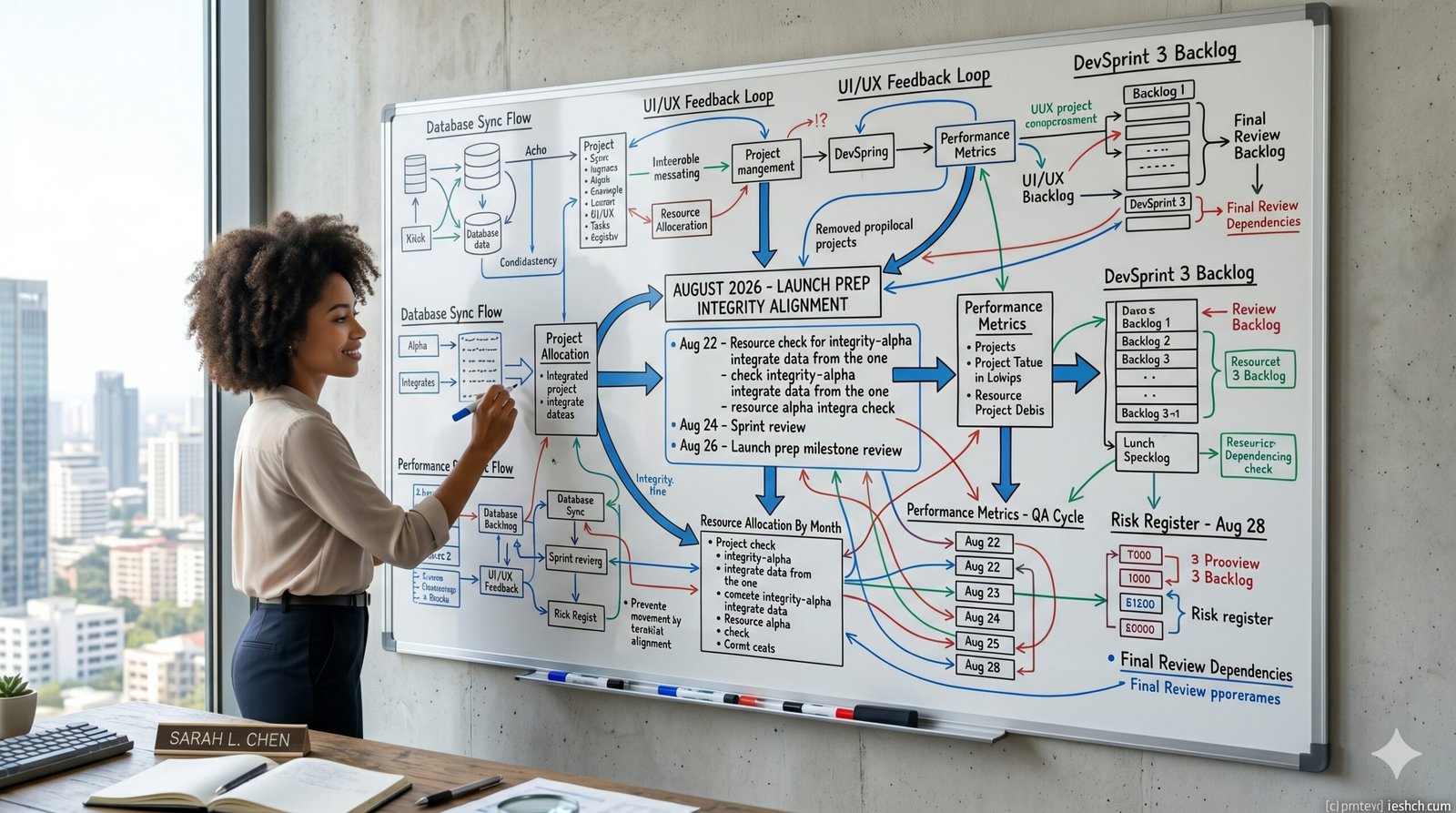
Furthermore, investing in the right project management tools is crucial for tracking progress, managing resources, and maintaining communication. Tools like Trello, Asana, or Microsoft Project can enhance collaboration among team members and provide real-time updates on project status. By leveraging technology, organizations can streamline project execution and improve overall efficiency.
Additionally, fostering a culture of accountability and continuous improvement can significantly enhance project delivery. Encouraging team members to take ownership of their responsibilities and regularly reviewing performance can lead to better results. Incorporating lessons learned from previous projects into future initiatives can also provide valuable insights and promote a culture of learning within the organization.
Operational Execution: Maintaining Business Continuity
Operational execution plays a vital role in maintaining business continuity, especially for large organizations that depend on consistent performance to meet customer demands. Ensuring that operational processes are efficient and resilient is crucial for minimizing disruptions and maintaining customer satisfaction. Ongoing evaluation of operational workflows can help identify bottlenecks or inefficiencies that may impede business continuity.
One effective strategy for enhancing operational execution is the implementation of process automation. Automating routine tasks can free up valuable resources and reduce the potential for human error. This not only increases efficiency but also allows employees to focus on more strategic initiatives that can drive growth. Adopting technology solutions such as CRM systems, ERP platforms, or other enterprise software can greatly enhance operational effectiveness.
Furthermore, organizations should prioritize workforce training and development to ensure that employees are well-equipped to handle operational challenges. Regular training programs can help employees stay updated on best practices and emerging technologies while fostering a sense of ownership and commitment to operational excellence.
Measuring Success: KPIs for Projects and Operations
Measuring success in both project and operational execution requires the establishment of key performance indicators (KPIs) tailored to each context. For project execution, common KPIs include project completion rate, budget adherence, and stakeholder satisfaction. These metrics provide insights into how well the project was executed and whether it met its intended goals.
In the realm of operational execution, relevant KPIs may include efficiency ratios, customer satisfaction scores, and employee engagement levels. These metrics offer a holistic view of how well the organization is functioning on a day-to-day basis and highlight areas for potential improvement. Regularly monitoring these KPIs can help organizations adapt and refine their operational strategies in line with market demands.
Moreover, integrating KPIs from both project and operational execution can provide a comprehensive picture of organizational performance. This alignment can help leaders make informed decisions, ensuring that resource allocation supports both ongoing operations and future projects. By harmonizing these metrics, organizations can create a more agile and responsive business environment.
Integrating Project and Operational Execution for Growth
To achieve sustainable growth, organizations must find a way to integrate project and operational execution seamlessly. This integration allows businesses to leverage the strengths of both approaches, ensuring that projects align with ongoing operational capabilities and strategic objectives. One effective method for achieving this integration is through cross-functional teams that can bridge the gap between project management and operational functions.
Creating a unified strategy that balances short-term project goals with long-term operational objectives is essential. This involves regular collaboration between project managers and operational leaders to ensure alignment and resource availability. Establishing clear communication channels and shared goals can facilitate this collaboration, ensuring that both project and operational teams are working towards a common vision.
Additionally, organizations should consider adopting a hybrid approach to management that combines elements of both project and operational execution. This approach allows for flexibility in responding to changing market conditions while maintaining a focus on operational excellence. By fostering a culture of continuous improvement and collaboration, organizations can position themselves for long-term success and growth.
In summary, understanding the differences and interconnections between project execution and operational execution is vital for large organizations aiming for success in a competitive landscape. By strategically managing both aspects, businesses can enhance their performance, ensure operational continuity, and drive growth. Embracing effective practices and fostering collaboration will ultimately position organizations for sustainable success.
Meta Description: Explore the key differences between project execution and operational execution, and learn effective strategies for integrating both for sustainable growth.
Tags: project management, operational execution, business delivery, enterprise strategies, stakeholder engagement, performance metrics, continuous improvement, project success, operational excellence, integration strategies
Hashtags: #ProjectExecution #OperationalExecution #BusinessGrowth #StrategicManagement #ContinuousImprovement
External Source: For further insights on project management strategies, visit Project Management Institute.