Central Management Console: Streamlining Business Operations
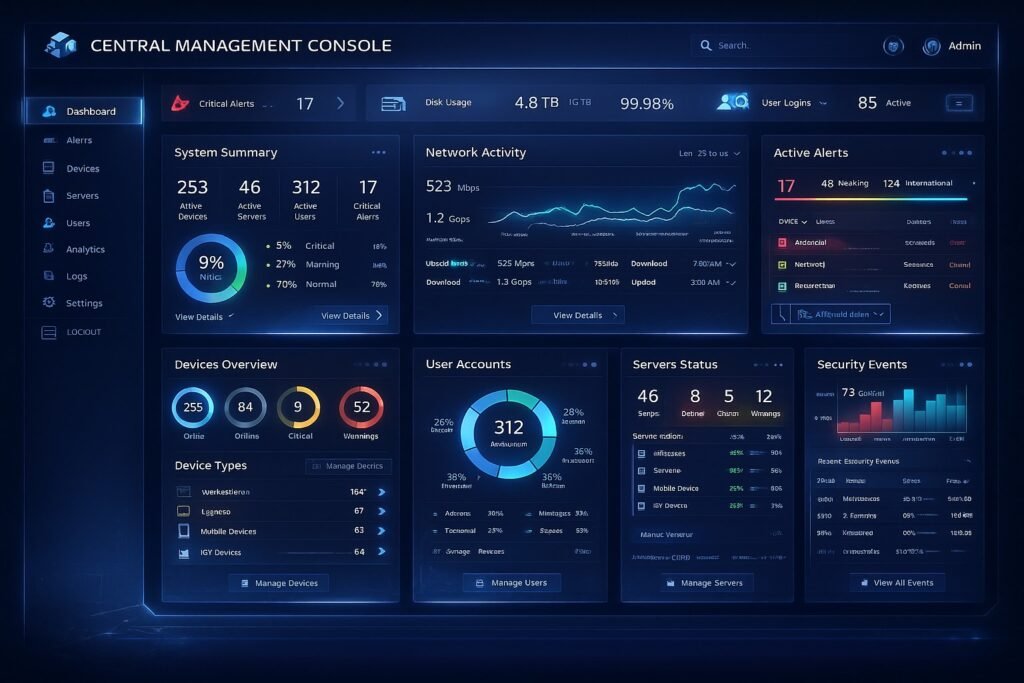
Understanding the dynamics of a central management console is essential for organizations looking to streamline their operations. A central management console serves as the backbone of numerous enterprise solutions, enabling businesses to manage various systems and applications from a single interface. By centralizing control, organizations can ensure smoother operations, heightened security, and improved efficiency. This article delves into the various aspects of central management consoles, exploring their features, benefits, and best practices for implementation.
Understanding the Role of a Central Management Console
A central management console is a critical tool for enterprises, allowing them to oversee different applications, systems, and processes from one unified platform. It serves to integrate various functions, including monitoring, configuration, and reporting, thereby simplifying the management of complex IT environments. This centralized approach not only enhances visibility but also ensures that IT teams can swiftly respond to issues as they arise.
In large organizations, the complexity of managing disparate systems can lead to inefficiencies and increased operational costs. A central management console provides a holistic view, enabling IT personnel to monitor performance metrics and system health in real-time. This visibility allows for proactive decision-making and resource allocation, ensuring that organizations can respond to business needs more effectively.
Additionally, central management consoles play a vital role in governance and compliance. They offer the tools needed for auditing and reporting, helping organizations meet regulatory requirements. As such, these consoles not only facilitate day-to-day operations but also support long-term strategic objectives related to risk management and compliance.
Key Features That Enhance Central Management Functionality
Central management consoles are equipped with a variety of features that enhance their functionality. One of the critical attributes is intuitive dashboards, which provide users with an overview of system performance, alerts, and operational metrics. These dashboards can be customized to display the most relevant information, allowing managers to focus on key performance indicators (KPIs) without getting bogged down in unnecessary data.
Automation capabilities are another significant feature. Many central management consoles come with built-in automation tools that help streamline repetitive tasks, such as software updates and system backups. Automation not only saves time but also reduces the likelihood of human error, enhancing overall system reliability. For larger organizations, this function can lead to significant savings in operational costs over time.
Lastly, robust security features are paramount in a central management console. With an increasing number of cybersecurity threats, having a console that integrates advanced security protocols, such as multi-factor authentication and encryption, is essential. These features ensure that sensitive data remains protected while allowing for seamless access to authorized personnel.
Benefits of Using a Central Management Console in Enterprises
Adopting a central management console comes with numerous benefits that can significantly impact an enterprise’s efficiency and effectiveness. One of the most notable advantages is improved operational efficiency. By centralizing control, organizations can streamline their processes and workflows, reducing the time spent on mundane tasks and allowing teams to focus on strategic initiatives.
Another significant benefit is enhanced collaboration among teams. With a central management console, departments can share insights and data more readily, fostering a culture of collaboration. This transparency not only enhances communication but also leads to better decision-making, as teams are equipped with all the necessary information to make informed choices.
Furthermore, implementing a central management console can lead to cost reductions. By minimizing the resources needed to manage multiple systems, organizations can allocate their budgets more effectively. Additionally, companies can save money by preventing system downtimes and mitigating risks associated with security breaches, ultimately leading to a healthier bottom line.
How to Choose the Right Central Management Console Solution
Selecting the right central management console is crucial for maximizing its benefits. Organizations should begin by identifying their specific needs and requirements. This involves understanding the scale of operations, types of systems in use, and the particular challenges faced. A thorough needs assessment will help narrow down options and ensure that the chosen solution aligns with organizational goals.
Next, companies should evaluate the user interface and overall usability of potential solutions. A user-friendly console encourages adoption and minimizes training time. It is vital to involve end-users in the selection process to ensure that the interface meets their needs and preferences, ultimately boosting productivity and satisfaction.
Lastly, organizations should consider the scalability of the central management console. As businesses grow and evolve, their management needs will change. Selecting a solution that can adapt to these changes is essential for long-term success. Features such as API integrations and cloud capabilities can enhance scalability and ensure that the console remains relevant as technology and business landscapes evolve.
Implementation Strategies for a Central Management Console
Successful implementation of a central management console requires a well-structured approach. First and foremost, organizations should establish a clear project plan that outlines objectives, timelines, and responsibilities. This plan should include input from all stakeholders to ensure that everyone is aligned and aware of their roles in the process.
Training is another critical component of successful implementation. Employees should be adequately trained on how to use the new console effectively, focusing on its features and functionalities. Providing ongoing support and resources, such as FAQs and user guides, can also help ease the transition and encourage a smooth adoption process.
Finally, organizations should continuously monitor the performance of the central management console post-implementation. Gathering feedback from users will provide insights into areas of improvement and help identify any potential issues early on. Regular evaluations will ensure that the console continues to meet the evolving needs of the organization.
Common Challenges in Central Management Console Deployment
While implementing a central management console offers many benefits, organizations may encounter several challenges along the way. Resistance to change is often a significant hurdle, as employees may be hesitant to transition to a new system. Overcoming this resistance requires effective change management strategies, including clear communication about the benefits of the new console and involvement of team members in the transition process.
Integration with existing systems can also pose a challenge. Many organizations operate with legacy systems that may not easily connect with modern central management consoles. It is crucial to assess compatibility and plan for any necessary upgrades or changes to infrastructure. This may involve additional investments in time and resources, but ensuring seamless integration is vital for maximizing the console’s effectiveness.
Additionally, organizations may face challenges related to data security and compliance. Centralizing information can expose vulnerabilities, making it essential to implement stringent security measures. Regular audits and assessments can help identify potential risks, allowing organizations to take preemptive actions. By addressing these challenges head-on, companies can ensure a successful deployment of their central management console.
Best Practices for Maintaining Your Central Management Console
Once a central management console has been implemented, maintaining its functionality and performance is crucial. Regular updates and patch management are essential to enhance security and introduce new features. Ensuring that the console is always up to date will minimize vulnerabilities and improve overall performance.
User feedback should also play a significant role in the maintenance process. Conducting periodic surveys or feedback sessions with users can provide valuable insights into their experiences with the console. This information can guide enhancements and adjustments to ensure that the system continues to meet the needs of the organization.
Lastly, organizations should establish clear governance policies around the usage of the central management console. Defining roles, responsibilities, and access permissions will help maintain security and streamline operations. Regular training sessions can keep employees informed about best practices and any updates to governance policies, fostering a culture of accountability.
Future Trends in Central Management Console Technology
The future of central management consoles is poised for exciting advancements, particularly with the rise of artificial intelligence (AI) and machine learning. These technologies will enable consoles to offer predictive analytics, allowing organizations to anticipate potential issues before they arise. By leveraging AI-driven insights, businesses can make more informed decisions and improve operational efficiencies.
Additionally, the integration of cloud technologies will continue to shape the landscape of central management consoles. As more organizations migrate to the cloud, consoles that can seamlessly manage both on-premises and cloud-based systems will become increasingly vital. This hybrid approach allows companies to benefit from the flexibility and scalability of cloud solutions while maintaining control over their traditional systems.
Lastly, as cybersecurity threats evolve, central management consoles will need to adapt by incorporating more advanced security features. Expect to see enhancements such as behavioral analytics and real-time threat detection being integrated into console platforms. These features will help organizations stay one step ahead of potential breaches, ensuring that their data and systems remain secure.
Embracing a central management console can transform the way enterprises operate, offering a streamlined approach to system management and improved efficiency. By understanding its role, key features, and implementing best practices, organizations can harness the full potential of this powerful tool. As technology continues to evolve, staying informed about future trends will ensure that enterprises remain competitive and secure in an increasingly complex landscape.
Frequently Asked Questions
What is a central management console?
A central management console is a unified platform that enables enterprises to monitor, configure, and manage multiple systems, applications, and processes from a single interface. It is designed to simplify oversight in complex IT environments by providing consolidated visibility and control.
Why are central management consoles important for large organizations?
Large organizations operate across numerous systems and platforms, which can become difficult to manage independently. A central management console reduces operational complexity, improves efficiency, and enables IT teams to manage environments at scale without relying on disconnected tools.
What functions are typically included in a central management console?
Most central management consoles include system monitoring, configuration management, performance tracking, alerting, reporting, and auditing capabilities. These functions allow IT teams to maintain system health, respond to incidents quickly, and support strategic decision-making.
How does a central management console improve visibility?
By aggregating data from multiple systems into one platform, a central management console provides real-time insight into performance metrics, system status, and potential issues. This holistic view enables proactive management rather than reactive troubleshooting.
How do central management consoles support governance and compliance?
Central management consoles provide standardized reporting, audit trails, and access controls. These features help organizations demonstrate compliance with regulatory requirements, enforce governance policies, and manage risk across enterprise IT environments.
Can a central management console reduce operational costs?
Yes. By streamlining system management, reducing manual intervention, and enabling early detection of issues, a central management console can lower downtime, improve resource utilization, and reduce the overall cost of operating complex IT infrastructures.
Who typically uses a central management console within an enterprise?
Central management consoles are primarily used by IT operations teams, system administrators, security teams, and enterprise architects. Senior leaders may also rely on reporting outputs to gain visibility into system performance and risk.
How does a central management console support long-term strategic objectives?
Beyond day-to-day operations, central management consoles support strategic goals by enabling scalability, improving risk management, and ensuring compliance. They provide the foundational visibility and control required to align IT operations with broader business objectives.
Hashtags: #CentralManagementConsole #EnterpriseSolutions #ITManagement #Cybersecurity #FutureTrends
External Source: Discover what a central management console is at SAP
More insights at www.pmresourcehub.com