CPG Indirect Managed Services: Maximizing Efficiency and Reducing Costs
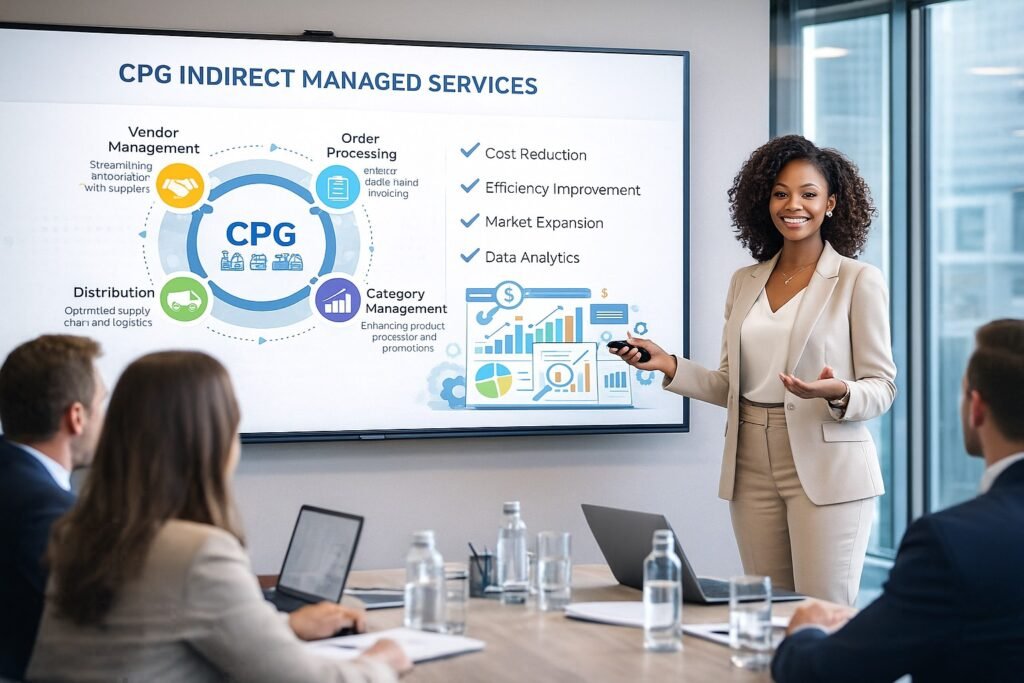
CPG indirect managed services are becoming increasingly essential for companies looking to streamline operations and improve efficiency. These services provide a framework for managing indirect spend, which encompasses everything from office supplies to marketing expenses. As organizations navigate a competitive landscape, understanding the intricacies of these services is crucial for maximizing value and ensuring sustainable growth. In this article, we will explore the depth of CPG indirect managed services, their benefits, key features, and how they are transforming operations within companies.
Understanding CPG Indirect Managed Services in Depth
CPG indirect managed services refer to the strategic oversight and management of indirect procurement within consumer packaged goods companies. Indirect spend, unlike direct spend, relates to the resources that support the operations of an organization rather than the products sold. This includes categories like IT services, office supplies, and marketing expenses. A successful indirect managed services model focuses on optimizing these expenditures, enhancing supplier relationships, and ensuring compliance with internal policies and external regulations.
Furthermore, these services involve a comprehensive approach to spend analysis, supplier management, and contract negotiations. By aggregating data and employing analytical tools, organizations can identify cost-saving opportunities and inefficiencies. In essence, CPG indirect managed services are about gaining visibility into spending patterns and implementing strategies that yield both short-term savings and long-term value.
The integration of indirect managed services into a company’s operations is vital for fostering a culture of continuous improvement. This requires collaboration across departments and alignment with the overall business strategy. By recognizing the importance of indirect spend and investing in comprehensive management solutions, organizations can not only retain a competitive edge but also leverage their resources more effectively.
The Benefits of CPG Indirect Managed Services for Companies
The primary benefit of CPG indirect managed services is cost reduction. Through strategic sourcing and the implementation of best practices in procurement, organizations can achieve significant savings. By consolidating suppliers and negotiating better terms, companies can lower their overall indirect spend and redirect these funds toward growth initiatives. This financial agility is essential for organizations operating in a volatile market.
Moreover, enhanced supplier management is another critical benefit. With CPG indirect managed services, companies can build stronger relationships with suppliers, which fosters collaboration and innovation. Establishing strategic partnerships with key suppliers can lead to improved service levels, product quality, and operational efficiencies. In a world where speed and quality are paramount, having reliable suppliers is indispensable for success.
Lastly, compliance and risk management are significantly improved through these managed services. Organizations must navigate a complex web of regulations and compliance requirements, and failing to do so can lead to severe penalties or reputational damage. An effective indirect managed services strategy can ensure that all procurement activities adhere to legal standards and corporate policies, thereby mitigating risks and protecting the organization’s integrity.
Key Features of Effective Indirect Managed Services
Effective CPG indirect managed services are characterized by several key features that drive success. First, robust spend visibility is essential. Organizations must have a clear view of their indirect spend to identify areas for savings and manage suppliers effectively. Advanced analytics and reporting tools can help companies gain insights into spending patterns and trends, enabling informed decision-making.
Secondly, seamless integration with existing systems is crucial. An effective indirect managed services provider will ensure compatibility with a company’s ERP systems, procurement platforms, and other operational tools. This integration allows for streamlined workflows and better communication across departments, making the procurement process more efficient and transparent.
Lastly, tailored solutions that align with an organization’s unique needs and objectives are indispensable. No two companies are alike, and an effective indirect managed services strategy must take into account the specific challenges and goals of the organization. Customizable solutions ensure that companies can adapt to changing market conditions and emerging trends while maintaining operational excellence.
How CPG Indirect Services Streamline Operations
Streamlining operations is a primary goal of CPG indirect managed services, and this is achieved through improved efficiency and reduced redundancy. By centralizing procurement activities, organizations can eliminate overlapping processes and ensure that all departments are aligned in their buying strategies. This centralization not only saves time but also reduces errors and ensures compliance with established policies.
Moreover, the automation of procurement processes plays a significant role in streamlining operations. Tools such as e-procurement platforms enable organizations to automate routine tasks, such as purchase order approvals and invoice processing. Automation not only enhances efficiency but also frees up valuable resources that can be redirected toward more strategic activities, such as supplier relationship management and innovation.
Finally, real-time data access is critical for agile decision-making. CPG indirect services leverage technology to provide instant access to spend data, supplier performance metrics, and market trends. This empowers procurement teams to respond quickly to changes in demand, negotiate with suppliers, and make informed decisions that positively impact the bottom line.
Choosing the Right Partner for Managed Services
When selecting a partner for CPG indirect managed services, organizations should consider several factors to ensure a successful collaboration. First and foremost, the partner’s expertise and experience in the CPG sector are crucial. A provider with deep knowledge of industry-specific challenges and trends will be better positioned to offer tailored solutions and insights.
Furthermore, the ability to provide a comprehensive suite of services is essential. Organizations should seek partners that offer end-to-end solutions encompassing sourcing, supplier management, compliance, and analytics. A holistic approach to indirect managed services ensures that all aspects of procurement are covered and aligned with the organization’s overall strategy.
Lastly, cultural fit and communication style matter significantly in any partnership. A successful relationship relies on open communication, collaboration, and mutual understanding. Organizations should evaluate potential partners on their ability to work closely with internal stakeholders, fostering a cooperative environment that drives success.
The Role of Technology in CPG Indirect Services
Technology plays a pivotal role in enhancing the efficiency and effectiveness of CPG indirect managed services. Advanced analytics tools allow organizations to dissect spend data, uncovering patterns and opportunities for savings. By leveraging big data and machine learning algorithms, companies can gain insights that inform procurement strategies and supplier negotiations.
Moreover, cloud-based procurement solutions offer real-time access to data and streamline collaboration among internal teams and external suppliers. These platforms facilitate communication and transparency, enabling organizations to adapt quickly to market changes and make informed decisions. As technology continues to evolve, staying ahead of trends is essential for organizations looking to optimize their indirect managed services.
Lastly, automation technologies such as robotic process automation (RPA) can significantly reduce manual tasks associated with procurement. By automating routine processes, organizations can enhance operational efficiency, minimize errors, and free up staff to focus on strategic initiatives. Embracing technology is no longer optional; it has become a critical component of successful CPG indirect managed services.
Measuring Success: KPIs for Indirect Managed Services
To gauge the effectiveness of CPG indirect managed services, organizations must establish clear Key Performance Indicators (KPIs). One of the most important KPIs is savings achieved through improved procurement strategies. Monitoring cost reductions across various categories of indirect spend can help organizations assess the success of their initiatives and identify areas for further improvement.
Supplier performance metrics are also critical for measuring success. This includes evaluating on-time delivery rates, quality of goods and services, and overall supplier responsiveness. By tracking these metrics, organizations can ensure that their suppliers are meeting expectations and contributing positively to the procurement process.
Finally, compliance and risk management KPIs are essential. Organizations should monitor adherence to internal policies and external regulations to mitigate risks effectively. Regular audits and compliance checks can help identify potential issues early on, ensuring that the procurement process remains compliant and sustainable.
Future Trends in CPG Indirect Managed Services Strategy
Looking ahead, several trends are emerging in the realm of CPG indirect managed services that organizations must consider. First, sustainability is becoming increasingly important in procurement strategies. Companies are recognizing the need to prioritize ethical sourcing, environmental responsibility, and social impact in their indirect spend, shaping their overall procurement strategies.
Second, the rise of digital transformation is set to redefine how organizations manage indirect services. The integration of artificial intelligence and machine learning into procurement processes will offer unprecedented insights and automation capabilities. As technology continues to advance, organizations must remain agile and adapt to these changes to maintain a competitive edge.
Lastly, the emphasis on collaboration and strategic partnerships will likely increase. Companies are realizing that strong relationships with suppliers and service providers can lead to innovation, enhanced service levels, and improved operational efficiencies. As the landscape continues to evolve, organizations must prioritize collaboration to maximize their indirect managed services.
CPG indirect managed services are integral to the success of organizations in the consumer packaged goods sector. By understanding the intricacies, benefits, and future trends of these services, companies can make informed decisions that drive efficiency and cost savings. As the procurement landscape continues to evolve, embracing technology and prioritizing partnerships will be essential for maintaining a competitive edge and achieving sustainable growth.
Here’s a comprehensive, SEO-friendly FAQ section with H3 headings for your blog on CPG Indirect Managed Services:
FAQ Section
What are CPG Indirect Managed Services?
CPG Indirect Managed Services are specialized solutions that help consumer packaged goods companies manage indirect spend. Indirect spend includes non-production costs such as office supplies, marketing, IT services, and other operational expenses. These services provide structure, governance, and efficiency to reduce waste and optimize procurement processes.
Why are Indirect Managed Services important for CPG companies?
Indirect spend often represents a significant portion of operational budgets but lacks strategic oversight. CPG Indirect Managed Services help companies streamline operations, improve cost efficiency, and maintain compliance across multiple departments. By managing these expenses effectively, companies can unlock savings and reinvest in growth initiatives.
What are the key benefits of CPG Indirect Managed Services?
The primary benefits include:
-
Cost Optimization: Identify savings opportunities across indirect spend categories.
-
Operational Efficiency: Standardize procurement processes and automate workflows.
-
Governance and Compliance: Ensure adherence to corporate policies and regulatory requirements.
-
Supplier Performance: Improve collaboration and manage contracts more effectively.
-
Data-Driven Insights: Use analytics to make informed strategic decisions.
Which areas of indirect spend do these services cover?
CPG Indirect Managed Services typically cover:
-
Office supplies and facilities management
-
Marketing, advertising, and promotions
-
IT and software services
-
Travel and employee-related expenses
-
Professional services, consulting, and logistics
How do CPG Indirect Managed Services improve operational efficiency?
By centralizing indirect spend management, companies gain visibility into costs, reduce redundant processes, and standardize procurement practices. Automation tools, vendor management, and analytics dashboards enable teams to make faster, data-driven decisions, reducing operational bottlenecks and risk exposure.
What role does technology play in these services?
Modern CPG Indirect Managed Services leverage enterprise platforms, AI-driven analytics, and procurement automation tools. These technologies help track expenses in real time, identify anomalies, optimize vendor performance, and ensure compliance with corporate and regulatory standards.
How do these services support strategic decision-making?
By providing detailed insights into spend patterns, supplier performance, and cost drivers, these services empower executives to make informed decisions. Strategic decisions might include renegotiating supplier contracts, consolidating vendors, or prioritizing investments that deliver the highest ROI.
Can small or mid-sized CPG companies benefit from these services?
Yes. While these services are most common in large enterprises, mid-sized CPG companies can also benefit by gaining visibility, reducing indirect spend inefficiencies, and implementing scalable procurement practices. Technology-enabled solutions make it feasible for organizations of all sizes.
How do companies measure the success of Indirect Managed Services?
Success is measured through several KPIs, including:
-
Cost savings achieved
-
Process cycle time reduction
-
Supplier performance and compliance rates
-
User adoption and workflow efficiency
-
Impact on overall organizational profitability and operational scalability
What are the challenges in implementing CPG Indirect Managed Services?
Challenges include:
-
Resistance to change from internal teams
-
Integrating legacy systems with modern procurement platforms
-
Aligning indirect spend policies across global operations
-
Maintaining data accuracy and compliance during automation
-
Managing supplier relationships during the transition
How can companies select the best service provider?
When evaluating providers, companies should consider:
-
Experience in the CPG industry and understanding of indirect spend complexities
-
Technology capabilities, including automation and analytics
-
Scalability and ability to support global operations
-
Governance, compliance, and security frameworks
-
Proven ROI and success metrics from previous clients
How do these services impact corporate growth and sustainability?
By reducing unnecessary costs, improving efficiency, and enforcing compliance, companies can reinvest savings into innovation, marketing, and strategic initiatives. This drives both short-term profitability and long-term sustainable growth while ensuring operational resilience.
Conclusion
CPG Indirect Managed Services are no longer a discretionary operational tool—they have become a strategic necessity for large organizations striving for efficiency, cost control, and competitive advantage. By centralizing and managing indirect spend across categories such as office supplies, marketing, IT, and professional services, these services provide enterprises with visibility, governance, and actionable insights that drive both operational excellence and strategic growth.
Implementing indirect managed services enables CPG companies to streamline procurement workflows, standardize processes across global teams, and mitigate risk associated with compliance and supplier performance. Leveraging technology, including procurement platforms, AI-driven analytics, and automated reporting, organizations can ensure accurate, real-time decision-making while maintaining alignment with corporate policies and regulatory requirements.
Beyond cost savings, indirect managed services create a foundation for long-term enterprise value. They enhance supplier collaboration, strengthen governance frameworks, and enable executives to prioritize investments that deliver the highest ROI. By optimizing spend management, organizations can redirect resources toward innovation, customer experience enhancements, and market expansion initiatives, fueling sustainable growth in a competitive landscape.
Moreover, the scalability of these services ensures that both multinational corporations and mid-sized CPG firms can achieve measurable results. They empower leadership teams to make informed strategic decisions, enforce accountability, and maintain operational agility, even as markets evolve and organizational complexity increases.
In summary, CPG Indirect Managed Services are a critical enabler of enterprise efficiency, cost optimization, and strategic decision-making. Organizations that invest in these services position themselves not only to reduce unnecessary expenditure but also to transform indirect spend into a competitive advantage. As companies continue to navigate dynamic market conditions, integrating robust indirect spend management practices will be essential to achieving operational resilience, driving profitability, and sustaining long-term growth.
Hashtags: #CPG #ManagedServices #Procurement #Efficiency #Sustainability
External Source: explore further insights on indirect procurement and CPG Visit Mckinsey https://www.mckinsey.com/industries/consumer-packaged-goods/our-insights
Discover More great insights at www.pmresourcehub.com
One Comment