
Project Baselines vs Performance Baselines: Tracking Success Effectively
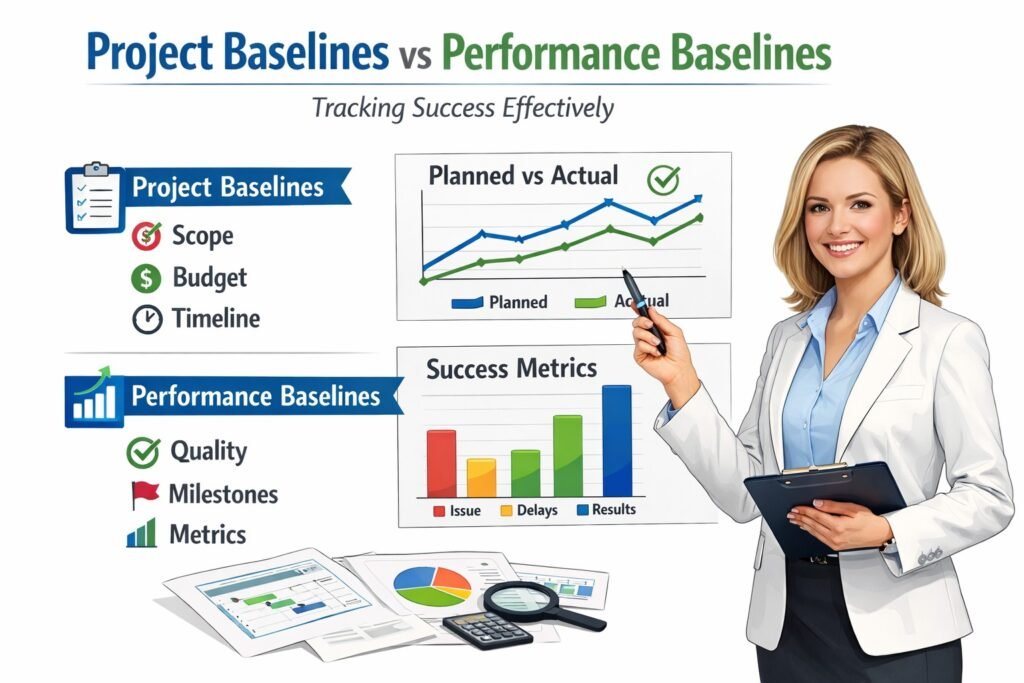
Tracking success in project management is essential for achieving organizational goals. Two critical concepts in this domain are project baselines and performance baselines. While they may sound similar, they serve distinct purposes and are instrumental in guiding project managers and teams toward success. Understanding how to differentiate, establish, and monitor these baselines can lead to improved project outcomes and more efficient resource allocation. In practice, many teams only recognize the value of clear baselines after facing delays or cost overruns that could have been avoided with better visibility from the start.
Understanding the Importance of Project Baselines in Management
Project baselines are the foundation upon which project management is built. They serve as reference points for measuring the overall progress and performance of a project. Typically, a project baseline consists of three main elements: scope, schedule, and cost. By setting these benchmarks at the outset, project managers can effectively gauge whether a project is on track or if adjustments are necessary. Without these baselines, it becomes challenging to identify deviations from the plan, making it difficult to implement corrective actions.
Establishing clear project baselines helps in aligning team expectations. It provides a roadmap that teams can follow, fostering accountability and transparency within the project. When various stakeholders understand what the baseline looks like, it reduces ambiguity and enhances communication. Additionally, it allows for better decision-making as everyone is working from the same set of fundamental metrics. This shared understanding is especially crucial in large organizations, where the complexity of projects can lead to misunderstandings.
Moreover, project baselines are critical in risk management. By establishing a solid baseline, project managers can identify potential risks early on. They can analyze trends and patterns to foresee problems, which allows them to implement risk mitigation strategies proactively. In essence, project baselines not only guide day-to-day operations but also serve as a strategic tool for long-term success.
Defining Performance Baselines: Key Concepts Explained
Performance baselines, on the other hand, focus more on the actual outputs and results of a project as it progresses. While project baselines are established before the project begins, performance baselines evolve as the project advances. They are typically characterized by key performance indicators (KPIs) such as quality, efficiency, and stakeholder satisfaction. While project baselines set the expectations, performance baselines measure actual performance against these expectations.
One of the key aspects of performance baselines is their adaptability. Unlike project baselines, which are relatively fixed, performance baselines can shift based on ongoing project conditions. For instance, if a project encounters unforeseen challenges that necessitate a change in scope, the performance baseline can be adjusted to reflect this new reality. This flexibility allows project teams to remain agile and responsive to changing circumstances, which is crucial in today’s fast-paced business environment.
Another significant factor is that performance baselines often require continuous monitoring and evaluation. This is done through regular check-ins and reviews that assess whether the project is meeting its intended performance metrics. By establishing a performance baseline, organizations can identify areas of improvement, optimize resources, and enhance overall project effectiveness. Consequently, performance baselines become a vital tool for delivering results that align with strategic business objectives.
Differences Between Project and Performance Baselines
While project and performance baselines are related, they have distinct characteristics that serve different purposes in project management. Project baselines are primarily static and defined at the project’s inception. They consist of clear metrics regarding scope, schedule, and budget. These baselines serve as a contract between the project team and stakeholders, ensuring everyone is on the same page regarding what to expect.
In contrast, performance baselines are dynamic and focus on assessing how well the project is performing against set metrics. These baselines evolve throughout the project lifecycle, reflecting real-time changes in project conditions and stakeholder needs. For example, if a project falls behind schedule, the performance baseline may need to be adjusted to account for the new timeline. This fluidity allows for a more responsive approach to project management, which is increasingly necessary in complex organizational frameworks.
Furthermore, the implications of these baselines differ as well. Project baselines are more about adherence to planned objectives, while performance baselines provide insight into the effectiveness of strategies and processes. In large organizations, this distinction becomes critical for ensuring that not only are projects completed on time and within budget, but also that they meet quality standards and contribute positively to the organization’s strategic goals.
How Baselines Impact Project Planning and Execution
Baselines play a pivotal role in project planning. When project managers define their baselines, they create a structured approach to project execution that establishes clear goals and milestones. These benchmarks enable teams to break down tasks into manageable parts, ensuring that everyone understands their responsibilities and the timelines they need to adhere to. This structured planning is particularly crucial in large organizations where multiple stakeholders are involved, and the risk of miscommunication is heightened.
Moreover, baselines facilitate effective resource allocation. By knowing project timelines and costs upfront, project managers can allocate resources wisely, minimizing waste and ensuring that teams have what they need to succeed. This strategic resource management is vital in large enterprises, where resources are often limited and must be optimized for maximum impact. The ability to refer back to established baselines allows project managers to make data-driven decisions about where to invest time and capital.
Execution also benefits from clearly defined baselines, as they provide a standard for measuring progress. Teams can regularly compare actual performance against the baseline metrics, making it easier to identify trends and deviations. This ongoing assessment allows for timely interventions if the project starts veering off course. Ultimately, having well-defined baselines streamlines the planning and execution phases, ensuring that projects are completed efficiently and effectively.
Techniques for Establishing Effective Project Baselines
Establishing effective project baselines requires a thoughtful approach to planning and execution. One key technique is to involve all stakeholders in the baseline-setting process. By gathering input from various departments and team members, project managers can develop more accurate baselines that reflect the real-world conditions of the project. This collaborative approach not only enhances the quality of the baselines but also fosters a sense of ownership among team members, increasing commitment to the project’s success.
Another important technique is to utilize project management software tools that allow for ongoing adjustments and monitoring of baselines. These tools can help create a centralized platform where all project data is accessible, making it easier to track progress and identify potential issues. Many modern project management platforms also come equipped with analytics features, allowing teams to visualize their performance against established baselines. This visual representation can provide valuable insights and make it easier to communicate progress to stakeholders.
Additionally, project managers should be proactive in revisiting and, if necessary, revising baselines during the early stages of the project. By regularly assessing the assumptions that went into creating the baselines, managers can ensure they remain relevant and attainable. This proactive approach not only helps in adjusting to unforeseen changes but also reinforces a culture of continuous improvement within the organization, which is essential for long-term success.
Monitoring Performance Baselines for Project Success
Monitoring performance baselines is critical for ensuring that projects remain on track and aligned with organizational objectives. One effective way to monitor these baselines is through the use of key performance indicators (KPIs) tailored to specific project goals. KPIs provide quantifiable metrics that can be tracked over time, enabling project teams to assess their performance against the initially established baselines. The selection of relevant KPIs can vary depending on the project’s nature, but common examples include cost variance, schedule variance, and quality metrics.
Regular reporting and review sessions are also vital components of performance monitoring. Establishing a cadence for these reviews whether weekly, monthly, or tied to specific project milestones ensures that stakeholders remain informed about project progress. These sessions should focus not only on what is going well but also on identifying areas where performance is lagging behind established baselines. Promptly addressing performance gaps can prevent minor issues from escalating into significant challenges, ultimately keeping the project aligned with its goals.
Furthermore, leveraging technology can enhance monitoring efforts. Project management tools can automate data collection and reporting, providing real-time insights into performance metrics. This allows project managers to make timely decisions based on accurate information rather than relying on outdated data. Ultimately, effective monitoring of performance baselines empowers organizations to identify trends, adjust strategies, and optimize resource utilization all critical factors for achieving project success.
Adjusting Baselines: When and How to Make Changes
Adjusting baselines is a natural part of project management that ensures teams remain adaptable and responsive to changing conditions. A critical moment for consideration is when significant changes occur in the project scope, budget, or timelines. For instance, if a project encounters unexpected delays due to resource shortages, it may be necessary to adjust the schedule baseline to set new, realistic timelines. Recognizing that project conditions are not static is essential; adjustments should be made in a manner that reflects current realities rather than clinging to outdated expectations.
Another trigger for adjusting baselines can be the results of regular performance monitoring. If performance metrics consistently indicate that the project is underperforming or exceeding expectations, it may be time to recalibrate the baselines. These adjustments should be made with careful consideration and involve relevant stakeholders to ensure alignment with overall project goals. Moreover, documenting changes and the rationale behind them is crucial for maintaining transparency and accountability within the project team.
When making adjustments, it is also essential to communicate these changes effectively to all stakeholders. Clear communication helps to manage expectations and ensures that everyone is on the same page about the new baselines. Additionally, it fosters a culture of adaptability within the organization, reinforcing the idea that adjustments are a normal part of the project lifecycle. By regularly revisiting and adjusting baselines, organizations can maintain project alignment with strategic objectives.
Best Practices for Tracking Success with Baselines
To effectively track success using baselines, organizations should adopt several best practices. Firstly, aligning baselines with organizational goals is crucial. This alignment ensures that project baselines are not just metrics for measurement but also meaningful indicators of progress toward broader business objectives. Project managers should work closely with senior leadership to ensure that the established baselines reflect strategic priorities and the desired outcomes of the organization.
Secondly, adopting a culture of continuous improvement is essential. Organizations should encourage teams to learn from each project by analyzing performance data against baselines, identifying successes, and pinpointing areas for growth. This approach not only enhances future project planning but also promotes innovation and fosters a proactive mindset within teams. By viewing baselines as tools for learning rather than mere checklists, organizations can create an environment that embraces growth and improvement.
Lastly, leveraging technology for tracking baselines can significantly enhance effectiveness. Utilizing project management software that allows for real-time updates and monitoring can provide immediate insights into project performance. These tools can also facilitate collaboration among team members and stakeholders, making it easier to communicate progress and adjustments. With the right technology in place, organizations can optimize their tracking of success through baselines, ultimately leading to improved project outcomes.
Conclusion – Project Baselines vs Performance Baselines
Understanding the differences between project baselines and performance baselines is vital for tracking success in project management. By establishing clear baselines, monitoring performance, and making necessary adjustments, organizations can enhance their project execution and align their efforts with strategic goals. The effective use of these baselines not only streamlines project planning and execution but also fosters a culture of continuous improvement, ultimately driving overall organizational success.
Explore what is a project baseline, and learn how to effectively track success in project management for better outcomes by Wrike
Hashtags:
ProjectManagement #PerformanceMetrics #StrategicPlanning #ContinuousImprovement #ProjectSuccess