Project Planning Cheat Sheet: The Ultimate Guide to Efficient Project Planning and Execution
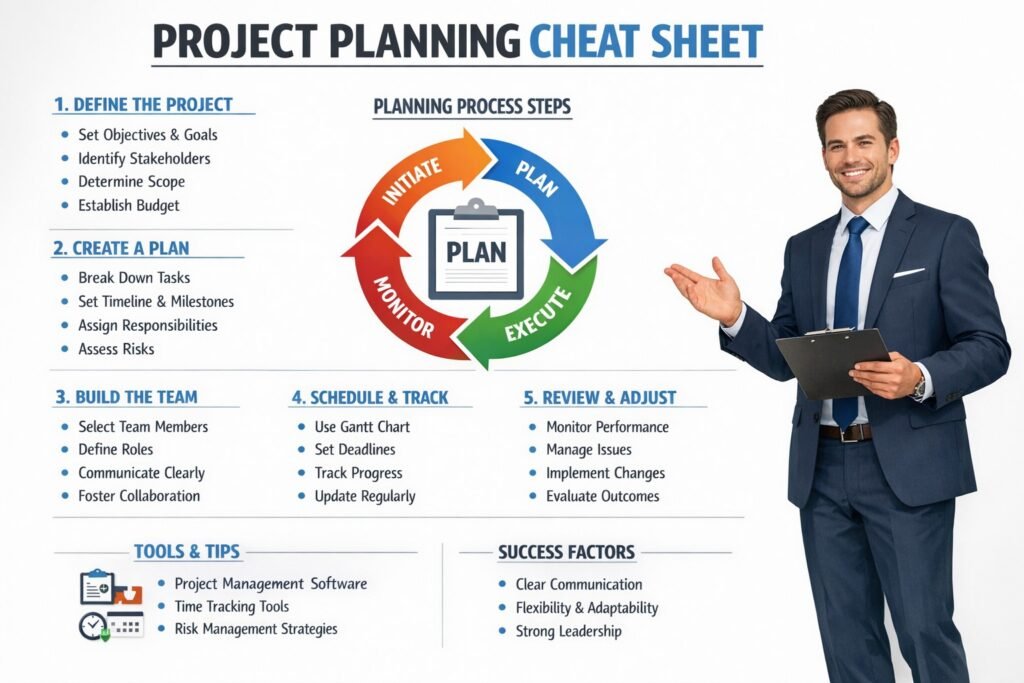
Project planning is a crucial aspect of any successful business endeavor. However, managing the complexities of various projects can be overwhelming. This is where a project planning cheatsheet comes in handy. It’s a concise, handy reference tool that helps streamline the project planning process. By using a cheatsheet, you can ensure that all essential elements are covered, and it can greatly enhance your team’s efficiency and alignment. In this article, we will explore the fundamentals of creating a project planning cheatsheet, its essential elements, and tips for adapting it to different projects.
What is a Project Planning Cheatsheet and Why Use It?
A project planning cheatsheet is essentially a quick reference guide that outlines the fundamental components and steps involved in planning a project. It acts as a roadmap, ensuring that teams adhere to critical tasks and objectives. Unlike extensive project management documentation, a cheatsheet distills information into manageable chunks, making it easier to digest and implement.
Using a project planning cheatsheet can significantly improve your workflow. It saves time by allowing team members to focus on execution rather than getting bogged down in unnecessary details. Moreover, it fosters alignment by providing a common understanding of the project scope and objectives among team members. This not only enhances productivity but also minimizes misunderstandings and miscommunication.
In a corporate setting, the stakes are often high, and the margin for error is slim. A well-crafted cheatsheet helps mitigate risks by ensuring that every critical aspect of project planning is taken into consideration. In essence, it serves as a safeguard against oversight, making it an invaluable tool in the arsenal of project managers and teams alike.
Essential Elements of Effective Project Planning Cheatsheets
To create an effective project planning cheatsheet, it is vital to include several essential elements. First and foremost, a clear project overview should be articulated, outlining the project’s goals, timelines, and deliverables. This gives team members a succinct understanding of what is expected and what the end goal looks like.
Next, define the key roles and responsibilities of each team member involved in the project. Clarity in roles reduces confusion and sets clear expectations for accountability. This component of the cheatsheet serves as a guide to who is in charge of what, ensuring that nothing falls through the cracks.
Finally, include a section for risk assessment and management. Every project has potential pitfalls, and identifying these risks early helps in formulating strategies to mitigate them. By addressing risks upfront, teams can prepare for challenges and adapt their plans accordingly, making the cheatsheet a proactive tool for project success.
Steps to Create Your Own Project Planning Cheatsheet
Creating your own project planning cheatsheet is a straightforward process. Start by gathering all relevant information about the project, including objectives, timelines, and stakeholders. This initial step will help you lay the groundwork for your cheatsheet and ensure that nothing important is overlooked.
Once you have this information, draft a structure. Decide on the format you wish to use whether it be a simple list, a table, or a more visual format like a flowchart. Ensure that the layout is user-friendly and that it facilitates quick reference. Team members should be able to glance at the cheatsheet and find the information they need without sifting through unnecessary content.
The final step is to iterate. Share the cheatsheet with your team for feedback, and make adjustments as necessary. A cheatsheet is not a static document; it should evolve as the project progresses. Regular updates ensure that it remains relevant and continues to serve its purpose effectively.
Key Tools and Templates for Project Planning Success
When it comes to project planning, utilizing the right tools can make all the difference. Project management software, such as Asana, Trello, or Microsoft Project, can greatly enhance the planning process by providing platforms for task management, timelines, and team collaboration. These tools often come with templates that can serve as excellent starting points for creating your cheatsheet.
Additionally, consider using cloud-based services like Google Docs or Sheets. These platforms allow for real-time collaboration, enabling team members to access and update the cheatsheet simultaneously. This feature is crucial for maintaining an up-to-date reference that reflects the project’s current status.
Lastly, explore downloadable templates available online. Websites like Smartsheet and Template.net offer a variety of project planning templates that can be customized to fit your needs. These can help jumpstart your cheatsheet creation process, providing a solid foundation upon which to build.
Common Mistakes in Project Planning to Avoid
One of the most common mistakes in project planning is failing to define clear objectives. Without a crystal-clear vision of what success looks like, projects can easily veer off course. Ensuring that all team members are aligned on the project goals is critical for maintaining focus and motivation throughout the project lifecycle.
Another frequent pitfall is neglecting to engage stakeholders early in the planning process. Stakeholder input is invaluable; their insights can lead to better decision-making and stronger buy-in. Failing to involve them can result in a lack of support or even resistance, which can derail a project before it even begins.
Lastly, many teams underestimate the importance of risk management. Ignoring potential challenges can lead to costly delays and setbacks down the line. It’s essential to proactively identify risks and formulate mitigation strategies, ensuring that your project can adapt to unforeseen circumstances.
How to Adapt Your Cheatsheet for Different Projects
Flexibility is a key quality of an effective project planning cheatsheet. For different types of projects, you may need to adjust the elements included in your cheatsheet. For instance, if you’re managing a software development project, you might want to emphasize user stories and testing cycles, whereas a marketing campaign may require a focus on audience segmentation and creative deliverables.
Additionally, consider the scale and complexity of the project. For larger projects, you may need a more detailed cheatsheet that includes multiple phases and milestones. In contrast, smaller projects may benefit from a streamlined, high-level overview that covers only the essentials.
Finally, take into account the specific needs and preferences of your team. Some team members may prefer visual aids, while others might appreciate more detailed written instructions. Tailoring the cheatsheet to suit your team’s unique characteristics will enhance its usability and effectiveness.
Using Your Cheatsheet for Team Collaboration and Alignment
The real power of a project planning cheatsheet lies in its ability to foster team collaboration and alignment. By providing a centralized reference point, it ensures that everyone is on the same page regarding project objectives and timelines. This alignment is essential for smooth execution, as it minimizes misunderstandings and helps to streamline workflows.
To maximize its effectiveness, consider integrating the cheatsheet into regular team meetings. Use it as a discussion point to review progress, make necessary adjustments, and celebrate milestones. This practice not only reinforces accountability but also encourages team members to engage with the cheatsheet actively.
Moreover, sharing the cheatsheet across departments can promote interdepartmental collaboration. For instance, marketing and sales teams can benefit from having a unified understanding of project goals, leading to better synergy and outcomes. The cheatsheet becomes a tool for not just planning but also for ongoing collaboration and impact.
Real-World Examples of Successful Project Planning Cheatsheets
Many successful organizations have adopted project planning cheatsheets to streamline their workflows and enhance project outcomes. For example, Google has a well-defined project management framework that includes a comprehensive cheatsheet for their cross-functional teams. This cheatsheet outlines key elements like project timelines, roles, and deliverables, contributing to their renowned efficiency in project execution.
Another case is that of Microsoft, which utilizes a tailored project planning cheatsheet for their software development projects. This cheatsheet includes specific metrics for measuring progress and success, allowing teams to maintain focus on crucial deliverables and deadlines.
Lastly, companies in the startup ecosystem often use simplified cheatsheets that cater to fast-paced environments. These cheatsheets prioritize agility, allowing teams to adapt quickly to changing circumstances while keeping essential project elements front and center. By implementing such practices, both large corporations and startups can share the benefits of well-crafted project planning cheatsheets.
Conclusion – Project Planning Cheat Sheet
A project planning cheatsheet is an invaluable tool for organisations striving to achieve greater efficiency, consistency, and alignment across their project management processes. In increasingly complex enterprise environments, where multiple stakeholders, competing priorities, and tight deadlines are the norm, having a structured and accessible reference point can significantly improve planning accuracy and execution quality. By clearly outlining essential components such as scope definition, timelines, resource allocation, and risk considerations, a well-crafted cheatsheet enables teams to operate with clarity and confidence from the outset.
Beyond its practical application, a project planning cheatsheet also plays a critical role in standardising best practices across teams and departments. This consistency reduces variability in project outcomes, strengthens governance, and supports more effective decision-making at both operational and strategic levels. When teams understand not only what needs to be done but also how to approach planning systematically, collaboration improves and inefficiencies are minimised.
Additionally, adapting a cheatsheet to suit different project types whether agile, waterfall, or hybrid ensures that it remains relevant and scalable across a wide range of initiatives. This flexibility is particularly important for organisations managing diverse portfolios, as it allows them to maintain a unified approach while accommodating varying delivery methodologies.
Ultimately, whether managing a small internal initiative or a large-scale corporate transformation, a robust project planning cheatsheet serves as a foundational tool for success. It empowers teams to avoid common planning pitfalls, enhances communication, and drives more predictable outcomes. In a competitive business landscape, organisations that embed structured planning tools like this into their operations are far better positioned to deliver projects efficiently, consistently, and in alignment with strategic objectives.
Hashtags: #ProjectPlanning #Cheatsheet #TeamCollaboration #ProjectSuccess #CorporateStrategy
External Source: For more insights on project management planning frameworks visit the knowledge train
Discover free project management templates at https://pmresourcehub.com/