
Real Estate Business Plan: The Ultimate Guide for Sustainable Growth
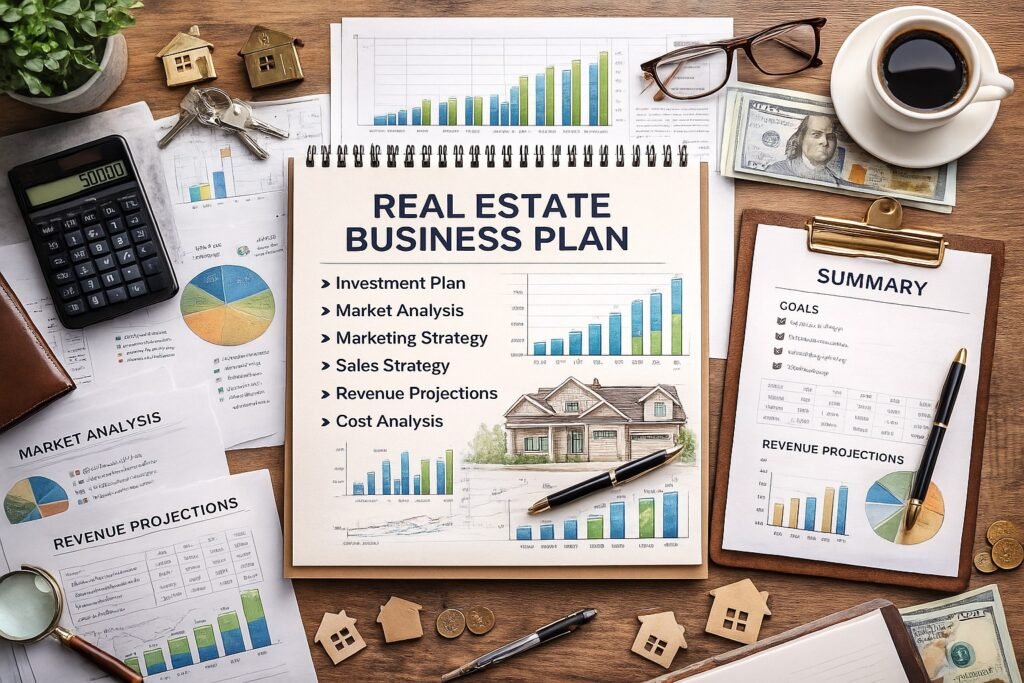
Crafting a real estate business plan is a vital step for anyone looking to succeed in the competitive world of property transactions. A well-structured plan not only provides direction but also clarifies goals, strategies, and financial forecasts. Whether you’re a seasoned agent or just starting out, understanding how to create a comprehensive business plan is crucial. This article will guide you through the essential components of a real estate business plan, from market analysis to financial projections and marketing strategies, ensuring you’re well-equipped to navigate this dynamic industry.
Crafting a Winning Real Estate Business Plan Overview
Creating a real estate business plan involves careful consideration of various factors, including market conditions, your unique offerings, and the competitive landscape. A successful plan serves as a roadmap that outlines your vision, mission, and objectives while also identifying the resources you’ll need to achieve your goals. To craft a winning business plan, you must begin with a clear understanding of your business model, whether it’s residential sales, commercial leasing, or property management.
Additionally, your business plan should outline your target market and the services you intend to offer. Will you focus on first-time homebuyers, luxury properties, or perhaps investment real estate? Knowing your niche will not only help you tailor your services but also allow you to effectively market to the right audience. This clarity will be essential in developing actionable strategies that align with your business goals.
Lastly, a well-organized business plan should include a timeline for achieving your objectives, alongside metrics for monitoring your progress. By setting specific milestones, you can evaluate your performance over time and make necessary adjustments. This ongoing assessment will keep you on track and help you pivot when needed, ensuring that you remain competitive in the ever-evolving real estate landscape.
Essential Components of a Real Estate Business Plan
The essential components of a real estate business plan typically include an executive summary, market analysis, organizational structure, services offered, marketing strategies, and financial projections. The executive summary is a crucial introductory section that encapsulates your vision and the key points of your business plan. It should be concise yet comprehensive enough to give potential investors or stakeholders a quick overview of your business.
Market analysis is another critical component that provides insights into the real estate landscape in your target area. It should detail current trends, pricing models, and demographic information that impacts property values. This analysis not only helps you understand your competition but also informs your marketing strategies, enabling you to position your business effectively.
The organizational structure outlines your team and their roles, clarifying how responsibilities are distributed. Whether you are a sole proprietor or have a larger team, defining roles can streamline operations and improve efficiency. Additionally, it is beneficial to include a section on the services you offer, ensuring that your business plan communicates the full scope of what clients can expect, from property sales to management services.
Market Analysis: Understanding Your Target Audience
Conducting a thorough market analysis is foundational to your real estate business plan. This involves researching your target audience’s demographics, preferences, and behaviors. Are your potential clients young professionals looking for urban apartments, or are they families seeking suburban homes? Understanding your audience will allow you to tailor your offerings and marketing strategies to meet their specific needs.
In addition to demographics, you should also analyze current market trends. For instance, are home prices increasing or declining? Is there a trend toward eco-friendly homes or smart technology features? Keeping tabs on these trends will not only inform your pricing strategies but also give you insights into where the market is heading, allowing you to innovate accordingly.
Finally, it’s essential to assess your competition. Who are your main competitors, and what are their strengths and weaknesses? By understanding the competitive landscape, you can identify gaps in the market that your business can fill. This knowledge will enable you to differentiate your services and demonstrate your unique value proposition to potential clients.
Setting Realistic Goals for Your Real Estate Business
Setting realistic goals is a cornerstone of a successful real estate business plan. These goals should be specific, measurable, achievable, relevant, and time-bound (SMART). For example, instead of stating that you want to “increase sales,” specify that you aim to “sell 20 properties in the next quarter.” This level of detail provides clarity and direction, allowing you to track your progress effectively.
Furthermore, your goals should align with both your vision and market analysis. If your research indicates a growing demand for rental properties, consider setting goals focused on expanding your rental portfolio. This alignment ensures that your objectives are not only ambitious but also grounded in market realities, enhancing your chances of success.
Finally, it’s vital to involve your team in the goal-setting process. When everyone has a stake in the objectives, it fosters a sense of ownership and accountability. Regularly reviewing and discussing these goals during team meetings can keep everyone aligned and motivated, ultimately propelling your real estate business toward sustained success.
Financial Projections: Budgeting for Success
Financial projections form the backbone of your real estate business plan, providing a roadmap for your expected income, expenses, and profits. These projections should extend at least three to five years into the future and should be based on realistic assumptions derived from thorough research and market analysis. Start with an income statement that outlines your expected revenue from sales, rentals, or property management fees.
In addition to revenue, you’ll need to account for your costs and expenses. These may include property acquisition costs, marketing expenses, and operational overhead. It’s crucial to be comprehensive in this section, as overlooking key expenses can lead to budgeting shortfalls and hinder your business’s growth potential.
Lastly, consider incorporating cash flow projections to further detail how money will move in and out of your business. Understanding your cash flow will help you plan for unexpected expenses and ensure that you can meet your financial obligations. This level of financial clarity can not only assist in day-to-day operations but also make your business more attractive to potential investors or lenders.
Marketing Strategies to Grow Your Real Estate Business
A robust marketing strategy is essential for growth in the real estate sector. Given the competitive nature of the industry, employing a multi-faceted approach can help you reach your target audience effectively. Start by establishing a strong online presence, as most homebuyers begin their search on the internet. Utilize social media platforms, a user-friendly website, and engaging content to attract prospective clients.
Email marketing is another powerful tool for nurturing leads and keeping in touch with past clients. Create a newsletter that provides valuable information, such as market trends, home maintenance tips, and local community events. This not only keeps you top-of-mind but also positions you as a knowledgeable industry expert, enhancing your credibility.
Networking plays a crucial role in real estate marketing. Attend industry events, join local business groups, and engage with community organizations to build relationships. These connections can lead to referrals and collaborations that can significantly benefit your business. Remember, in real estate, personal relationships often translate into business opportunities, so invest time in building and maintaining your network.
Legal Considerations in Your Business Plan
Navigating the legal landscape is an essential aspect of crafting a real estate business plan. Understanding the regulatory requirements in your area, including licensing, zoning laws, and property disclosure obligations, is critical for compliance and risk management. Begin by familiarizing yourself with local regulations and ensuring that you have the necessary licenses and permits to operate legally.
Additionally, consider consulting with a legal expert to draft contracts and agreements. These documents are crucial for defining relationships with clients, vendors, and other stakeholders, helping to mitigate risks associated with disputes. Having well-drafted agreements protects your interests and can save you from costly legal issues down the road.
Finally, it is essential to incorporate a risk management plan within your business plan. Identify potential risks, such as market downturns or changes in regulations, and outline strategies to mitigate these risks. This proactive approach not only protects your business but also builds trust with your clients, demonstrating that you take their interests seriously.
Reviewing and Updating Your Business Plan Regularly
A real estate business plan is not a static document; it requires regular review and updates to remain relevant. Market conditions, consumer preferences, and financial realities can change, necessitating adjustments to your strategies and goals. Set a schedule to review your business plan at least annually, but remain flexible to make changes as needed throughout the year.
During each review, assess your progress against the goals you set, analyze your financial projections, and update your market analysis. This ongoing evaluation helps identify areas for improvement and allows you to pivot your strategies to align with current market conditions. By staying agile, you can seize new opportunities and mitigate potential challenges more effectively.
Moreover, involving your team in the review process can enhance accountability and foster a collaborative environment. Encouraging team members to contribute their insights can lead to innovative ideas and solutions that might not have been considered otherwise. By regularly updating your business plan, you’ll maintain a clear vision for your real estate business and be better prepared for the future.
In summary, crafting a comprehensive real estate business plan is essential for success in this competitive industry. From conducting a market analysis to setting realistic goals, financial projections, and robust marketing strategies, each component plays a vital role in guiding your business. Regular reviews and updates ensure your plan remains relevant and responsive to the changing landscape. By investing time and effort in your business plan, you position your real estate venture for long-term success, making it easier to navigate challenges and seize opportunities as they arise.
Hashtags: #RealEstatePlan #MarketAnalysis #FinancialSuccess #MarketingStrategies #BusinessGoals
External Source: For further insights, visit the National Association of Realtors at https://www.nar.realtor.