
Top 10 Digital Transformation Governance Practices That Work
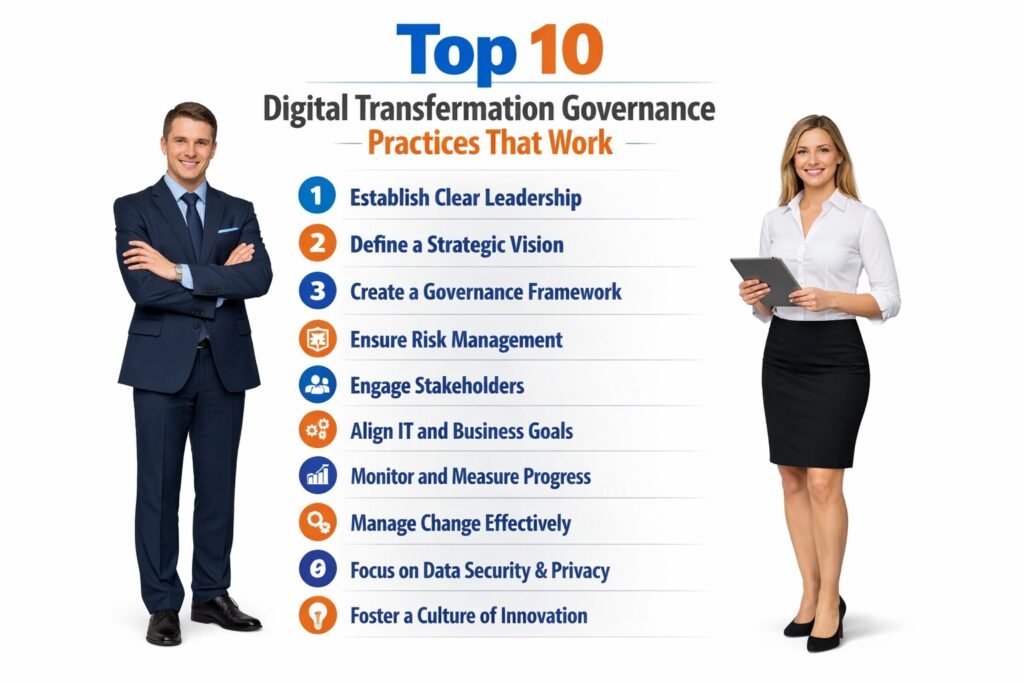
Digital transformation is no longer a buzzword; it’s a fundamental shift companies must embrace to stay competitive. Effective governance in digital transformation ensures that initiatives align with organizational goals, drive innovation, and mitigate risks. In this article, we’ll explore the top 10 digital transformation governance practices that work, providing insights and actionable strategies for large organizations embarking on their digital journeys.
Understanding Digital Transformation Governance Essentials
Digital transformation governance serves as the backbone of a successful digital initiative. It’s the framework that guides decision-making, prioritizes projects, and ensures that all stakeholders understand their roles and responsibilities. At its core, governance involves setting policies and standards that align digital strategies with overall business objectives. This alignment is crucial for organizations that often grapple with complex systems, diverse teams, and evolving technology landscapes.
When organizations prioritize governance in their digital transformation efforts, they create a structured approach to innovation. This governance framework gives teams a clear direction, reducing confusion and helping to ensure that everyone is on the same page. Defining governance structures can also streamline processes, making it easier for teams to implement changes rapidly.
Moreover, effective governance can help mitigate risks associated with digital transformation. It fosters transparency, enabling teams to identify potential issues early in the process. By creating checks and balances, organizations can navigate the complexities of digital initiatives, ensuring that they remain agile and responsive to change without compromising on quality or compliance.
Key Benefits of Effective Governance in Digital Transformation
Effective governance can unlock significant benefits for organizations undergoing digital transformation. One of the primary advantages is enhanced alignment between IT and business strategies. When both IT and business leaders work collaboratively under a governance framework, it fosters a culture of cooperation, ensuring that digital initiatives are not just technologically sound, but also strategically aligned with the company’s goals.
Another benefit is improved resource management. With a clear governance structure in place, organizations can allocate resources more efficiently, ensuring that the right teams are working on the right projects. This leads to faster delivery times and better use of budgets, allowing organizations to maximize their return on investment in digital initiatives.
Additionally, effective governance enhances stakeholder engagement. By involving key stakeholders in the governance process, organizations can gather diverse perspectives, which can lead to more innovative solutions. Engaging stakeholders not only builds buy-in but also increases the chances of project success because those involved feel a sense of ownership and responsibility for outcomes.
Establishing Clear Roles for Governance and Leadership
A successful digital transformation initiative relies heavily on clearly defined roles within the governance framework. Organizations must establish who is responsible for decision-making, project oversight, and accountability. This clarity helps in creating a sense of ownership among team members, reducing ambiguity about responsibilities.
Leadership should also play a crucial role in digital governance. Leaders need to be actively involved in steering the digital transformation efforts, offering insights, and providing the necessary support to their teams. By having leaders who are champions of digital initiatives, organizations can ensure that transformations receive the attention and resources they require to succeed.
Additionally, organizations should consider forming a dedicated digital transformation committee or council. This group can oversee the governance structure, ensuring that policies and procedures are aligned with business objectives. It provides a platform for continuous dialogue among stakeholders, fostering a culture of collaboration and innovation that is essential for digital success.
Creating a Robust Framework for Digital Initiatives
A robust governance framework serves as the foundation for successful digital initiatives. Organizations should start by defining key policies, procedures, and standards that will guide their digital transformation efforts. This framework should be comprehensive but flexible enough to adapt to the rapidly changing digital landscape.
Establishing a clear roadmap is also critical. This roadmap outlines the stages of digital transformation and includes the necessary milestones to measure progress. By visualizing the journey, organizations can identify potential challenges and address them proactively, ensuring that the transformation remains on track.
Moreover, organizations should adopt a collaborative approach to governance. Engaging cross-functional teams in the development of the governance framework fosters a sense of shared responsibility. By including diverse perspectives, organizations can create more inclusive and effective governance structures that cater to the unique needs of their digital initiatives.
Engaging Stakeholders for Successful Governance Practices
Stakeholder engagement is crucial for effective governance in digital transformation. Organizations must identify all relevant stakeholders, including executive leadership, IT teams, business units, and external partners. By involving these stakeholders from the outset, organizations can ensure that different perspectives are considered, reducing resistance to change.
Regular communication is another essential aspect of stakeholder engagement. Keeping stakeholders informed about progress, challenges, and successes fosters transparency and builds trust. Stakeholder meetings, progress reports, and interactive workshops can be effective strategies to maintain open lines of communication.
Furthermore, organizations should create feedback mechanisms that allow stakeholders to voice their concerns and suggestions. This feedback can be invaluable for refining governance practices and ensuring that they remain effective and aligned with organizational needs. By actively listening to stakeholders, organizations can cultivate a culture of collaboration and commitment to the digital transformation journey.
Metrics and KPIs to Measure Governance Effectiveness
To ensure that governance practices are effective, organizations need to establish clear metrics and Key Performance Indicators (KPIs). These metrics should reflect the goals of the digital transformation initiatives and provide measurable outcomes. Common KPIs might include project delivery timelines, budget adherence, and stakeholder satisfaction scores.
Tracking these metrics over time allows organizations to assess the effectiveness of their governance framework and make informed adjustments as needed. For instance, if project delivery timelines are consistently exceeding expectations, it may indicate a need for improved resource management or process optimization.
Additionally, organizations should consider more qualitative measures, such as stakeholder engagement levels and team morale. These factors can provide insights into the overall health of governance practices and help identify areas for improvement. By employing a balanced approach to measurement, organizations can foster a culture of continuous learning and improvement.
Risk Management Strategies for Digital Transformations
Risk management is a critical component of governance in digital transformation. Organizations need to identify potential risks associated with digital initiatives, including technological, operational, and regulatory challenges. By conducting comprehensive risk assessments, organizations can prioritize areas that require immediate attention and mitigation strategies.
Implementing a risk management framework can help organizations navigate uncertainties during their digital transformation journeys. This framework should include processes for identifying, assessing, and managing risks, as well as contingency plans to address unforeseen challenges. An agile approach to risk management allows organizations to adapt quickly to changes and avoid disruptions.
Moreover, fostering a culture of risk awareness among teams is essential. Organizations should encourage employees to report potential risks and challenges openly, creating an environment where proactive risk management is valued. By empowering teams to identify and address risks, organizations can mitigate issues before they escalate, ensuring smoother digital transformation efforts.
Continuous Improvement: Adapting Governance to Change
Digital transformation is an ongoing process, and governance structures must evolve alongside it. Organizations should embrace a mindset of continuous improvement, regularly reviewing and updating governance practices to reflect the changing landscape. This can involve soliciting feedback from stakeholders, assessing the effectiveness of current practices, and identifying areas for enhancement.
Incorporating industry trends and emerging technologies into governance frameworks is also crucial. Organizations should stay informed about best practices in digital transformation governance and adapt their frameworks accordingly. This proactive approach allows organizations to stay ahead of the curve and maintain a competitive advantage in their digital initiatives.
Furthermore, fostering a culture of innovation within the governance framework encourages teams to experiment and explore new ideas. By allowing teams to test new approaches and methodologies, organizations can uncover valuable insights that can lead to more effective governance practices. This adaptability is key to sustaining success in an ever-evolving digital landscape.
Digital transformation governance is essential for organizations aiming to thrive in the digital age. By implementing these top 10 governance practices, companies can ensure their digital initiatives are aligned with strategic objectives, effectively managed, and poised for success. Embracing a culture of continuous improvement within governance structures will not only facilitate smoother transformations but also empower organizations to innovate and adapt to the future.
Hashtags
DigitalTransformation #Governance #StakeholderEngagement #RiskManagement #ContinuousImprovement
External Source
For more insights on digital transformation governance, visit KPMG
Discover More great insights at https://www.pmresourcehub.com
https://pmresourcehub.com/agile/
https://pmresourcehub.com/project-management/
https://pmresourcehub.com/project-management-software/