
Top 10 Project Manager Career Development Strategies
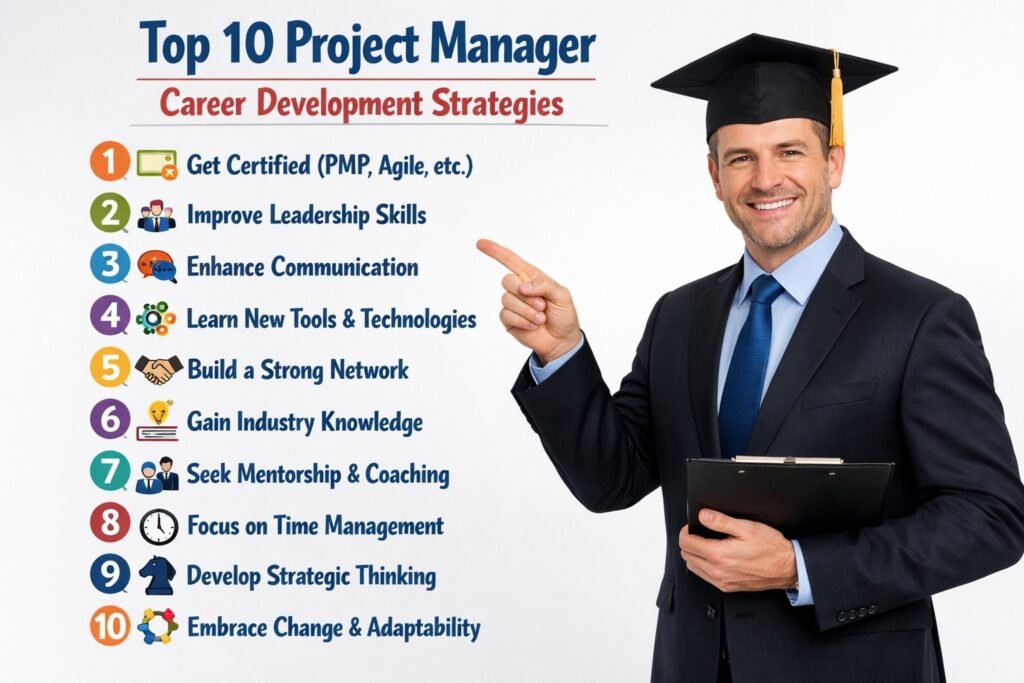
Project Manager Career development is not just a buzzword in today’s corporate environment; it’s a necessity for anyone looking to climb the ranks in project management. As organizations evolve and new methodologies emerge, project managers must adapt and refine their skills to remain competitive. This article delves into the top ten strategies for advancing your career as a project manager, ensuring that you not only stay relevant but also excel in your role.
Understanding the Importance of Career Development for Managers
In the corporate landscape, career development is a critical element that often determines long-term success. For project managers, it is especially important as they navigate complex projects and diverse teams. Career development not only enhances individual capabilities, but it also boosts team dynamics, ultimately leading to more successful project outcomes. By focusing on growth, project managers can cultivate the skills necessary to tackle challenges head-on, leading to improved project delivery and stakeholder satisfaction.
Moreover, organizations invest in their project managers’ career development because it directly impacts the bottom line. Skilled project managers can better align projects with strategic objectives, manage risks more effectively, and optimize resource utilization. As a result, companies that prioritize career development are more likely to achieve their goals, resulting in a win-win situation for both employees and employers. This symbiotic relationship fosters a culture of learning and adaptation that is crucial in today’s rapidly changing business environment.
Lastly, effective career development offers project managers an opportunity to diversify their skill set. It allows for a broader understanding of organizational operations and fosters cross-functional collaboration. This versatility opens doors to new opportunities, such as leadership roles, consulting positions, or even entrepreneurship. Understanding the importance of career development is the first step in strategically navigating your professional journey.
Key Skills Every Project Manager Should Develop for Growth
To excel in project management, a robust skill set is essential. First and foremost, leadership skills are crucial. Project managers must inspire teams, promote collaboration, and resolve conflicts. A strong leader cultivates a positive team environment, which often translates to increased productivity and morale. This ability to motivate and guide others is a hallmark of an effective project manager and is often the differentiator between project success and failure.
In addition to leadership, communication skills rank high on the list of necessary competencies. Clear, concise communication with stakeholders, team members, and clients is vital for ensuring everyone is aligned with project goals. A project manager who can convey information effectively can preempt misunderstandings and facilitate smoother project execution. This includes not only verbal communication but also written communication, which is equally important for documentation and reporting.
Finally, project managers should prioritize skills in risk management and problem-solving. The ability to identify potential risks before they materialize and devise strategic solutions is a cornerstone of successful project management. The more adept a project manager is at navigating challenges and mitigating risks, the more confident stakeholders will feel in their leadership. Developing these skills not only enhances project success rates but also positions project managers as invaluable assets to their organizations.
Networking Strategies to Enhance Your Project Management Career
Networking is a vital strategy for career advancement in project management. Building a robust professional network opens doors to new opportunities and insights that can significantly influence your career trajectory. One effective way to network is by participating in industry conferences and seminars. These gatherings provide an invaluable platform for meeting fellow project managers, industry leaders, and potential mentors who can offer guidance and opportunities.
Another effective networking strategy is to join professional associations related to project management. Organizations such as the Project Management Institute (PMI) offer a wealth of resources, including training, certifications, and networking events. By becoming an active participant in these communities, project managers can establish meaningful connections and stay abreast of industry trends and best practices. This involvement also demonstrates commitment to professional growth, which can be appealing to current or prospective employers.
Lastly, leveraging social media platforms such as LinkedIn can be a game-changer for networking. By sharing insights, engaging in discussions, and connecting with industry professionals, project managers can enhance their visibility and credibility. Regularly updating your profile and showcasing your achievements can attract the attention of recruiters and hiring managers who are looking for talent. Remember, networking is not just about what you can get; it’s also about what you can give back to your community.
How to Leverage Certifications for Career Advancement
Certifications are an essential asset for project managers seeking career advancement. They serve as a testament to your expertise and commitment to ongoing professional development. Popular certifications such as the Project Management Professional (PMP) and Certified ScrumMaster (CSM) are not only widely recognized but also highly regarded in the industry. Earning these certifications can significantly enhance your marketability, making you a more attractive candidate for higher-level positions.
In addition to demonstrating your knowledge, certifications can also provide access to specialized training and resources. Many certification programs offer exclusive workshops, webinars, and networking opportunities, allowing you to connect with experts and peers in the field. These resources can be instrumental in keeping you updated on the latest trends and methodologies, which is particularly important in the ever-evolving landscape of project management.
Moreover, certifications can often lead to higher earning potential. According to industry studies, certified project managers typically earn more than their non-certified counterparts. This financial incentive, combined with the professional growth and networking opportunities that certifications provide, makes them a powerful tool for advancing your career. Investing time and resources in obtaining certifications can yield substantial long-term benefits in your professional journey.
Exploring Mentorship Opportunities for Project Managers
Mentorship is another key strategy for career development in project management. A mentor can provide invaluable insights, guidance, and support, helping you navigate the complexities of your career. Finding a mentor who has experience in project management can offer you a fresh perspective on the industry and share best practices that you may not be aware of. A good mentor-mentee relationship fosters an open dialogue, allowing for candid discussions about challenges and opportunities.
One way to find a mentor is by leveraging your professional network. Reach out to colleagues, alumni, or industry contacts who are in roles that inspire you. Sometimes, formal mentorship programs within organizations can also provide structured guidance and support. Establishing a clear goal for what you hope to achieve through mentorship will help you find a suitable mentor who aligns with your aspirations.
Additionally, the benefits of mentorship are reciprocal. While you gain knowledge and insights from your mentor, you may also offer them fresh perspectives or assistance on current projects. This mutual exchange can strengthen the professional bond and potentially open doors for collaborations or new opportunities. Embracing mentorship not only aids in your career growth but also contributes to building a supportive community within the project management field.
The Role of Continuous Learning in Project Management
In an era where change is the only constant, continuous learning has become paramount for project managers. The landscape of project management is rapidly evolving, with new tools and methodologies emerging regularly. Staying current through continuous education helps project managers remain competitive and effective in their roles. Whether through formal education, online courses, or workshops, pursuing lifelong learning is essential for personal and professional growth.
Incorporating continuous learning into your career development strategy also involves staying informed about industry trends and innovations. Subscribing to industry-related publications, attending webinars, or participating in discussions within professional networks can provide insights into best practices and emerging technologies. Embracing these opportunities not only enhances your knowledge but also positions you as a thought leader in your organization.
Moreover, organizations that foster a culture of continuous learning often experience improved employee engagement and retention. By investing in training and development programs, companies signal their commitment to employee growth, which can lead to increased job satisfaction and loyalty. As a project manager, advocating for continuous learning within your team can create a more knowledgeable and agile workforce, ultimately contributing to better project outcomes.
Setting Achievable Goals for Career Progression
Goal setting is a fundamental aspect of career development that is often overlooked. Establishing clear, achievable goals provides direction and purpose in your professional journey. Start by identifying both short-term and long-term goals. Short-term goals can involve acquiring specific skills or certifications, while long-term goals may include aspiring to a leadership position or overseeing larger projects. Writing down your goals and regularly reviewing them can help maintain focus and accountability.
Additionally, utilizing the SMART (Specific, Measurable, Achievable, Relevant, Time-bound) framework can further enhance your goal-setting process. By ensuring that your goals meet these criteria, you increase the likelihood of achieving them. For example, “I will complete my PMP certification by the end of the year” is a measurable and time-bound goal that demonstrates specificity and relevance to your career aspirations.
Lastly, don’t forget to celebrate your achievements, no matter how small. Recognizing milestones along your journey can provide motivation and reinforce your commitment to career development. Setting and achieving goals not only propels you forward in your career but also builds confidence and resilience, which are vital traits for any successful project manager.
FAQ: Career Development for Project Managers
Why is career development important for project managers?
Career development is essential for project managers because the profession continues to evolve alongside changes in technology, business strategy, and project delivery methodologies. Organizations expect project managers to lead complex initiatives, manage stakeholders, and align projects with corporate objectives. Continuous professional growth ensures that project managers remain competitive, capable of managing larger and more strategic programs, and prepared for leadership roles within the organization.
Additionally, career development strengthens both technical and leadership capabilities. Project managers who invest in expanding their knowledge of governance, risk management, stakeholder communication, and delivery frameworks are better equipped to handle high-impact projects and deliver measurable business value.
What skills should project managers focus on to advance their careers?
To progress in the profession, project managers must develop a balanced combination of technical, strategic, and leadership skills. Key areas of development typically include strategic thinking, risk management, stakeholder engagement, financial oversight, and communication. As organizations become more data-driven, analytical capabilities and reporting skills are also increasingly important.
Equally critical are leadership and people management competencies. The ability to motivate teams, resolve conflicts, and build trust with executives and stakeholders often distinguishes high-performing project managers from those who remain at an operational level.
How can project managers move into senior leadership roles?
Advancing into senior roles such as program manager, portfolio manager, or PMO leader typically requires more than delivering projects successfully. Professionals must demonstrate strategic awareness, business acumen, and the ability to influence decision-makers. This involves understanding how projects contribute to organizational strategy and communicating value in terms that resonate with executives.
Project managers who seek leadership positions often expand their experience by managing larger programs, leading cross-department initiatives, and participating in governance or transformation initiatives. Exposure to enterprise decision-making environments can significantly accelerate career advancement.
Are project management certifications important for career progression?
Certifications can play a significant role in career advancement by validating professional knowledge and demonstrating commitment to industry standards. Well-recognized credentials help organizations assess a candidate’s expertise in project planning, governance, risk management, and delivery frameworks.
Beyond credibility, certifications often expose professionals to new methodologies and best practices. When combined with real-world experience, these credentials can strengthen a project manager’s profile and improve opportunities for promotion or leadership assignments.
How does networking contribute to career growth in project management?
Networking allows project managers to build relationships with peers, mentors, and industry leaders who can provide guidance, insights, and opportunities. Engaging with professional communities exposes individuals to emerging trends, tools, and methodologies that may not yet be widely adopted within their organizations.
Strong professional networks also increase visibility and credibility within the industry. Opportunities such as speaking engagements, collaboration on initiatives, and leadership roles within professional communities can significantly enhance a project manager’s career trajectory.
What role does mentorship play in developing project managers?
Mentorship can be a powerful catalyst for career growth. Experienced mentors provide guidance on navigating complex organizational dynamics, improving leadership capabilities, and making strategic career decisions. They can also offer constructive feedback on areas that require improvement.
For aspiring leaders, mentorship provides insight into the expectations and responsibilities of senior project management roles. This knowledge helps professionals prepare for greater responsibilities and develop the confidence required to lead high-impact initiatives.
How can project managers stay competitive in a rapidly changing industry?
Remaining competitive requires continuous learning and adaptation. Project managers should stay informed about emerging delivery frameworks, digital collaboration tools, and evolving governance practices. Participating in training programs, attending industry conferences, and engaging in professional development courses are effective ways to maintain current knowledge.
Organizations increasingly expect project managers to understand both traditional and Agile delivery models. Professionals who can adapt their approach based on project context are better positioned to succeed in dynamic environments.
What career paths are available beyond traditional project management roles?
Project management experience opens doors to several advanced career paths. Many professionals transition into program management, portfolio management, or leadership roles within a Project Management Office (PMO). Others leverage their expertise to move into strategic planning, operational leadership, or transformation management roles.
Some project managers also pursue careers in consulting, helping organizations implement governance frameworks and improve delivery performance. These diverse opportunities highlight the versatility of project management as a professional discipline.
How can project managers demonstrate value to their organizations?
Demonstrating value requires more than delivering projects on time and within budget. Effective project managers show how their initiatives contribute to strategic objectives, operational improvements, and measurable business outcomes. This often involves presenting performance metrics, highlighting risk mitigation efforts, and communicating the long-term benefits of successful project delivery.
Project managers who consistently align their work with organizational strategy gain greater visibility with executives and decision-makers, which can lead to increased responsibility and career advancement.
What is the long-term outlook for careers in project management?
The demand for skilled project managers continues to grow as organizations undertake increasingly complex transformation initiatives. Digital transformation, global collaboration, and evolving business models require professionals who can coordinate teams, manage risks, and deliver strategic outcomes.
As businesses continue to rely on structured project delivery to achieve competitive advantage, project managers who invest in leadership development, strategic thinking, and continuous learning will remain highly valuable in the corporate landscape.
Utilizing Feedback for Project Manager Career Development
Feedback is an essential tool for continuous improvement, yet many project managers struggle to seek or accept it. Actively soliciting feedback from peers, team members, and supervisors can provide valuable insights into your strengths and areas for improvement. By creating a culture of openness and receptiveness to feedback within your team, you can foster an environment that promotes growth and collaboration.
One effective way to gather feedback is through regular performance reviews or one-on-one check-ins. During these discussions, ask specific questions about your work and seek constructive criticism. Instead of focusing solely on what went well, inquire about areas where you can improve. This proactive approach not only demonstrates your commitment to personal development but also encourages a dialogue that can lead to a deeper understanding of your role.
Moreover, don’t hesitate to apply the feedback you receive. Take time to reflect on the insights given and develop an action plan for implementing changes. This not only shows that you value input from others but also reinforces a growth mindset. Embracing feedback and using it as a catalyst for development can significantly enhance your effectiveness as a project manager, ultimately contributing to your career advancement.
Conclusion
In conclusion, advancing your career as a project manager involves a multifaceted approach that encompasses skill development, networking, certifications, mentorship, continuous learning, goal setting, and the acceptance of feedback. By strategically implementing these ten development strategies, you can pave the way for a successful and fulfilling career in project management. Remember, the journey is ongoing, and the commitment to growth is what will set you apart in this competitive field.
Hashtags: #ProjectManagement #CareerDevelopment #ContinuousLearning #Networking #Leadership
External Source: What is a project manager? Roles, skills, and career path by Atlassian
Project Launch Authorization Template
https://pmresourcehub.com/simple-project-why-keeping-projects-simple-can-bring-success/