Top PM Certifications for Project Management Professionals
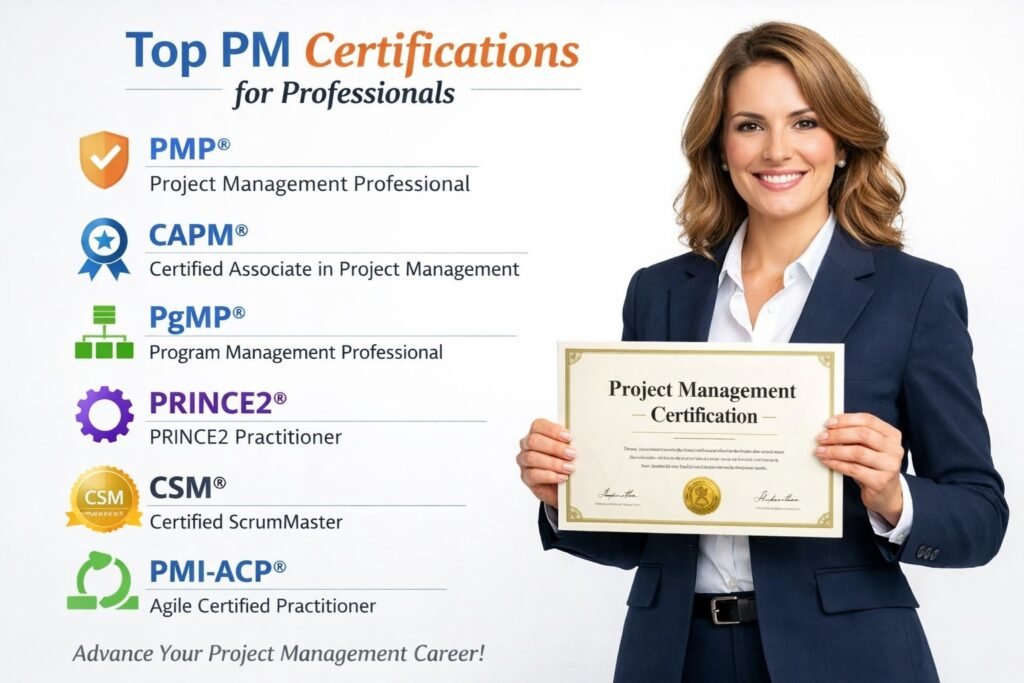
In today’s fast-paced business environment, the significance of project management (PM) certifications cannot be overstated. As organizations strive for efficiency, productivity, and quality, having certified professionals at the helm has become a strategic choice. Not only do these certifications bolster individual credentials, but they also enhance team dynamics and project outcomes. This article delves into the top PM certifications available to professionals, exploring their relevance, benefits, and how to choose the right one for your career path.
Understanding the Importance of PM Certifications Today
In an era where project complexities are on the rise, PM certifications serve as a beacon of credibility and professionalism. Organizations are increasingly leaning toward certified project managers to navigate the intricacies of project execution, risk management, and stakeholder communication. These certifications provide a standardized framework that equips professionals with essential skills, ensuring they are well-prepared to meet the demands of modern project landscapes.
Moreover, certified professionals often experience enhanced career opportunities and advancements. Certification not only validates your skills but also demonstrates your commitment to continuous professional development. In competitive job markets, having a PM certification can be a distinguishing factor that elevates your profile above others. Employers value certified candidates for their dedication to mastering the best practices in project management, making them indispensable assets to organizations.
Finally, PM certifications foster a culture of best practices and efficiency within organizations. They instill a common language and understanding among team members, enhancing collaboration and communication. As projects become more interconnected, the need for a cohesive approach to project management is paramount. Therefore, investing in PM certifications is not just an individual endeavor; it’s a strategic move for organizations aiming for sustained success and agility.
Top Certifications That Boost Your Project Management Skills
When it comes to project management certifications, several options stand out. The Project Management Professional (PMP) certification is perhaps the most recognized globally. Offered by the Project Management Institute (PMI), the PMP certification validates a project manager’s experience, education, and competency, ensuring that they possess the necessary skills to lead and direct projects effectively. This credential is widely respected across various industries, making it a top choice for professionals looking to enhance their career prospects.
Another noteworthy certification is PRINCE2 (Projects IN Controlled Environments), which is widely used in the UK and Europe. This methodology emphasizes a structured approach to project management, focusing on organization and control throughout the project lifecycle. PRINCE2 is particularly beneficial for professionals working in government sectors or industries where compliance and governance are crucial. It instills a depth of understanding regarding how to manage projects efficiently and effectively.
Agile methodologies have surged in popularity, leading to a variety of Agile certifications. The Certified ScrumMaster (CSM) certification, for instance, equips professionals with the knowledge to facilitate Scrum teams, fostering an environment of collaboration and continuous improvement. As organizations increasingly adopt Agile practices to enhance responsiveness and flexibility, having an Agile certification can significantly boost your employability and relevance in the job market.
How to Choose the Right PM Certification for You
Selecting the right PM certification requires a thoughtful approach that aligns with your career goals, industry demands, and personal interests. Start by evaluating your current skills and experience. If you’re relatively new to project management, consider entry-level certifications like Certified Associate in Project Management (CAPM) from PMI. This credential is an excellent stepping stone for those aiming to build a solid foundation in project management principles.
Next, consider the industry in which you work or aspire to work. Different sectors may favor specific certifications. For example, if you are in the IT or tech space, Agile certifications may hold more weight, while PRINCE2 might be more beneficial for professionals in public sector projects. Research industry trends and seek advice from mentors or industry professionals to identify which certifications are most respected in your desired field.
Finally, assess the certification’s format and requirements. Some certifications may necessitate extensive study and preparation, while others may offer more flexibility. Consider your current responsibilities and commitment level to ensure you can balance your professional duties with the demands of certification preparation. Remember, the right certification should align not only with your career ambitions but also with your lifestyle and learning preferences.
Exploring PMP: The Gold Standard in Project Management
The Project Management Professional (PMP) certification is often referred to as the gold standard in project management. Offered by the Project Management Institute (PMI), this certification is recognized and respected worldwide. To qualify for the PMP exam, candidates must have a secondary degree with 7,500 hours of leading projects and 35 hours of project management education, or a four-year degree with 4,500 hours of leading projects and the same educational requirements. This rigorous qualification process ensures that certified professionals possess substantial experience and formal education in project management.
What sets the PMP apart is its comprehensive coverage of project management principles, methodologies, and best practices. The certification emphasizes the five process groups: initiating, planning, executing, monitoring and controlling, and closing. It also delves into critical skills such as stakeholder management, risk assessment, and resource allocation. This extensive knowledge base equips project managers with the tools needed to navigate complex projects successfully and empowers them to make informed decisions.
Moreover, obtaining a PMP certification often leads to tangible career benefits. PMP holders generally enjoy higher salaries compared to their non-certified counterparts, with the certification signifying a level of expertise that employers value highly. Additionally, as organizations increasingly recognize the importance of effective project management, the demand for PMP-certified professionals continues to grow, making it a sound investment for your career trajectory.
Agile Certifications: Aligning with Modern Business Needs
With the rapid evolution of business demands and the digital transformation of industries, Agile project management has become a necessity rather than an option. Agile certifications, such as Certified ScrumMaster (CSM) and Agile Certified Practitioner (PMI-ACP), are designed to equip professionals with the skills to thrive in Agile environments. These certifications focus on the principles of flexibility, collaboration, and customer-centeredness, fostering a mindset that prioritizes delivering value quickly and efficiently.
The Certified ScrumMaster (CSM) designation is particularly valuable for professionals in software development and IT. It provides insights into the Scrum framework, roles, and ceremonies, enabling certified individuals to effectively facilitate Agile teams. Organizations that adopt Agile methodologies often experience improved project outcomes, increased customer satisfaction, and enhanced collaboration among team members. Therefore, having a CSM certification positions you as a key player in organizations striving for Agile transformation.
Another noteworthy Agile certification is the PMI Agile Certified Practitioner (PMI-ACP). This certification is designed for professionals who have experience working on Agile teams and want to validate their expertise. The PMI-ACP covers multiple Agile methodologies, including Scrum, Kanban, Lean, and extreme programming (XP), providing a holistic view of Agile practices. As companies increasingly seek professionals who can navigate the complexities of Agile project management, obtaining an Agile certification can significantly enhance your career prospects.
The Value of PRINCE2 in Global Project Management
PRINCE2 is a structured project management methodology that emphasizes organization, control, and quality in project delivery. Originally developed in the UK, PRINCE2 has gained global recognition and is widely adopted in various sectors, including government, healthcare, and IT. One of the primary strengths of PRINCE2 is its adaptability; it can be tailored to suit projects of any size and complexity, making it a versatile choice for professionals across diverse industries.
One of the key components of PRINCE2 is its focus on clear project roles and responsibilities. The methodology defines specific roles for project managers, team members, and stakeholders, ensuring everyone understands their contributions to project success. This clarity minimizes confusion and enhances collaboration, which is essential for delivering projects on time and within budget. Furthermore, PRINCE2 emphasizes continuous improvement and learning, allowing organizations to refine their project management practices over time.
Obtaining a PRINCE2 certification can significantly enhance your professional credibility, particularly if you work in sectors that prioritize governance and compliance. Many organizations seek PRINCE2-certified professionals to lead projects, and the certification demonstrates a deep understanding of how to implement best practices in project management. As businesses increasingly prioritize structured project management approaches, PRINCE2 certification can be a valuable asset that sets you apart in a competitive job market.
Emerging PM Certifications for Future-Focused Professionals
As the project management landscape continues to evolve, so too do the certifications designed to equip professionals for future challenges. Emerging certifications, such as the Disciplined Agile Scrum Master (DASM) and the Project Management Institute’s (PMI) Digital Project Management Certificate, reflect the shift toward digitalization and Agile methodologies. These certifications focus on integrating technology and Agile practices, preparing professionals for the demands of modern projects.
The Disciplined Agile Scrum Master (DASM) certification emphasizes a toolkit approach to Agile practices, allowing professionals to tailor their methodologies based on the unique needs of their projects. This flexibility is crucial in today’s fast-paced business environment, where one-size-fits-all solutions often fall short. By obtaining a DASM certification, professionals can demonstrate their ability to adapt Agile principles to a variety of contexts, further enhancing their value to organizations.
Similarly, the PMI’s Digital Project Management Certificate addresses the growing need for project managers who can navigate digital transformation initiatives. This certification covers essential topics such as digital project lifecycles, virtual team management, and leveraging technology to enhance project outcomes. As organizations increasingly undertake digital projects, having a certification that speaks to this expertise can significantly boost your employability and relevance in the job market.
Tips for Successfully Achieving Your PM Certification Goals
Achieving your PM certification goals requires careful planning, dedication, and strategic execution. Start by creating a study plan that aligns with your certification’s requirements. Break down the curriculum into manageable sections and set specific milestones to track your progress. This structured approach not only helps you stay organized but also reduces the overwhelm often associated with certification preparation.
Next, leverage available resources to enhance your learning experience. Online courses, study groups, and practice exams can provide valuable insights and reinforce your understanding of key concepts. Connecting with professionals who have already obtained the certification can also offer practical tips and support. Engaging with a community of learners can foster motivation and accountability, making the journey toward certification more enjoyable and effective.
Lastly, don’t underestimate the importance of practical experience. Applying what you learn in real-world scenarios can deepen your understanding and solidify your knowledge. Seek opportunities to lead projects, even in volunteer capacities, to gain hands-on experience. This not only enriches your learning but also builds a robust portfolio that demonstrates your capabilities to potential employers. Remember, the journey to certification is as much about personal growth as it is about achieving a credential.
In conclusion, pursuing a PM certification can be a transformative step in your professional journey. With the right certification, you can not only enhance your skills and credibility but also position yourself as a key player in your organization. By understanding the options available and investing in your career development, you can unlock new opportunities and navigate the complexities of modern project management with confidence. Whether you choose PMP, Agile, or PRINCE2, the path to certification is filled with possibilities that can lead to a rewarding and successful career.
Hashtags
ProjectManagement #Certification #ProfessionalDevelopment #CareerGrowth #Agile
External Source
Explore 9 PMI Certifications to Move Your Project Management Career Forwards by Coursera,
PM certifications, project management, PMP, Agile, PRINCE2, professional development, career growth, digital projects, Scrum, training
More great Project Manager insights: