Top PMP Study Hacks That Maximize Exam Success
Preparing for the Project Management Professional (PMP) exam can feel like a monumental task. With its extensive syllabus and challenging format, many candidates find themselves overwhelmed. However, with the right strategies in place, you can maximize your chances of success. In this article, we’ll explore the top ten PMP study hacks that not only streamline your study process but also enhance your understanding of project management concepts. Whether you’re a seasoned project manager or a newcomer to the field, these hacks can help you efficiently navigate the complexities of PMP certification.
Unlocking Your PMP Potential: Study Hacks That Work
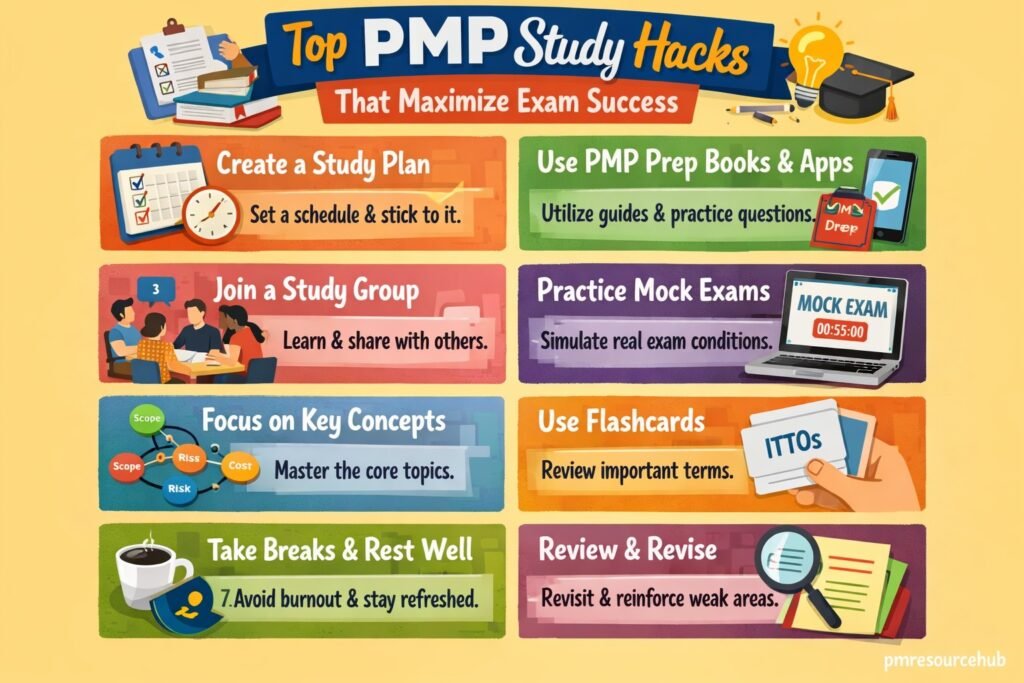
The first step in preparing for your PMP exam is to establish a study plan. Setting clear, achievable goals is crucial in ensuring that you cover all necessary material without feeling overburdened. Begin by assessing your current knowledge and identifying areas where you need improvement. Use a study schedule that breaks down topics into manageable sections, allowing you to focus on one aspect of the exam at a time. This focused approach not only helps in retaining information better but also reduces anxiety as you can track your progress.
Another effective hack is to create a dedicated study space free from distractions. A specific environment that is reserved for study can enhance concentration and signal to your brain that it’s time to focus. Make sure your study area is well lit and equipped with all necessary materials, such as books, notes, and any technology you might need. Personalizing this space with motivational quotes or visuals related to project management can add an extra layer of inspiration.
Lastly, don’t underestimate the power of regular revision. Instead of cramming all at once, implement a spaced repetition technique where you revisit material at intervals. This method leverages the psychological spacing effect, making it easier to recall information over time. As you prepare, regularly test yourself on previously covered topics, which will reinforce your learning and help identify any weak spots you may need to revisit.
Time Management Strategies for Effective PMP Study Sessions
Time management is crucial when preparing for the PMP exam, especially if you’re balancing work and personal commitments. One effective strategy is to employ the Pomodoro Technique, which involves studying in short bursts of focused work followed by brief breaks. For instance, you might study for 25 minutes and then take a five-minute break. This method helps maintain your concentration and reduces burnout, making study sessions more productive.
Another important aspect of time management is prioritizing your study topics based on their weight in the exam. Familiarize yourself with the PMP exam content outline, which details the percentage of questions derived from each domain. Focus your study efforts on these high-yield areas and allocate more time to challenging subjects, ensuring that you maximize your study hours where they matter most.
Lastly, consider using a digital calendar or planner to schedule your study sessions. By blocking off time specifically for PMP preparation, you create a visual commitment to your goals. Use reminders to keep you accountable and review your schedule weekly to adjust your study topics and goals as necessary. This structured approach will help you stay organized and ensure you’re making consistent progress toward your exam date.
Utilizing Mind Maps for Enhanced Project Management Learning
Mind maps are a powerful tool for visual learners and can greatly enhance the way you understand and retain PMP concepts. Start by creating a central node labeled with key topics, such as project integration management or stakeholder management. From there, branch out with subtopics and related concepts. This visual representation not only clarifies connections between different areas of knowledge but also allows you to see the bigger picture of project management principles.
When using mind maps for your PMP studies, incorporate colors, images, and symbols to make the information more engaging. The use of color can help categorize information and make it easier to recall during the exam. Additionally, incorporating visual aids into your study sessions can stimulate both hemispheres of your brain, enhancing creativity and problem-solving skills key competencies for any project manager.
Finally, reviewing and updating your mind maps regularly can reinforce your learning and help you identify areas that need more focus. Consider discussing your mind maps with colleagues or study group members to gain new insights and perspectives. This collaborative approach can deepen your understanding of complex topics, making it easier to retain information for the exam.
Practice Exams: Your Secret Weapon for Exam Readiness
One of the most effective ways to prepare for the PMP exam is through practice exams. These simulate the actual test environment and provide invaluable experience in managing the time constraints and pressure you will face on exam day. Begin your preparation by taking a baseline practice exam to identify your current level of knowledge and areas for improvement. This initial assessment will help you focus your study efforts more effectively.
After studying, regularly incorporate additional practice exams into your routine. This not only assesses your retention of material but also helps you become familiar with the exam format and question styles. Use reputable sources for these practice exams, as they should align closely with the types of questions you’ll encounter on the actual test. Analyzing your incorrect responses will also highlight knowledge gaps that you need to address, ensuring you’re well-prepared.
Lastly, consider timing yourself while taking these practice exams to simulate real exam conditions. This practice will help improve your pacing, so you’re comfortable answering questions within the allotted time. Keep track of your progress and aim to improve your scores over time. Ultimately, this strategy builds both knowledge and confidence, making you better equipped for the PMP exam.
Collaboration Techniques: Study Groups and Their Benefits
Engaging in study groups can be a highly effective way to enhance your PMP exam preparation. The collaborative nature of studying with peers allows for diverse perspectives and insights that can deepen your understanding of complex topics. Start by forming a study group with fellow PMP candidates, perhaps through local project management organizations or online forums. Regular meetups can ensure accountability while also providing a platform for discussion and knowledge exchange.
One key benefit of study groups is the opportunity for active learning. Instead of passively reading through materials, discussing concepts with peers encourages critical thinking and application of knowledge. Use your study group to quiz each other, share resources, and explain complex topics. This active engagement not only solidifies your understanding but also improves your retention of information.
Additionally, group study sessions can help reduce exam-related stress. Sharing the challenges of the preparation process with others who are on the same journey can foster a sense of camaraderie and support. Celebrate milestones together, offering encouragement when someone struggles, and motivating each other to stay committed to your study plans. This supportive environment can significantly enhance your overall experience and lead to greater success on exam day.
Leveraging Technology: Apps to Boost Your Study Efficiency
In today’s digital world, technology can be a game changer for PMP exam preparation. Numerous apps are available that can help streamline your study process, making it easier to manage content, track progress, and connect with peers. Start by exploring project management apps that offer study materials, quizzes, and progress tracking, such as PMP Exam Prep or Pocket PMP. These applications provide valuable resources tailored specifically for PMP candidates.
Another valuable technological tool is flashcard apps, like Anki or Quizlet. These apps allow you to create personalized flashcards for important concepts, formulas, and definitions. The spaced repetition feature helps reinforce your learning, making it easier to recall information when needed. This format is especially useful for memorizing key terms and concepts commonly found on the PMP exam.
Lastly, consider using productivity and organization apps, such as Trello or Evernote, to keep your study materials and schedules organized. These tools allow you to create boards or lists that can help you prioritize tasks and track your progress. By leveraging technology effectively, you can enhance your study efficiency and ensure you are well-prepared for your PMP exam.
Real-World Applications: Integrating PMP Concepts in Practice
Understanding how PMP concepts apply in the real world is crucial for both the exam and your career as a project manager. As you study, actively seek out opportunities to apply what you learn in your daily work or through volunteer projects. This practical application not only reinforces your knowledge but also builds your confidence as you implement project management principles in real scenarios.
Consider engaging in case studies or simulations that allow you to practice problem-solving and decision-making skills. Real-world projects often present challenges that require you to think critically and adapt to changing circumstances. By immersing yourself in these situations, you’ll gain a deeper appreciation for the complexity of project management and how various concepts interconnect.
Moreover, discussing your experiences with peers can provide valuable context and insights, enhancing your understanding of theoretical concepts. Use networking events or online platforms to share your experiences and learn from others. This approach not only enriches your knowledge but also helps build relationships that may benefit your career in the long run.
Maintaining Motivation: Tips to Stay Focused and Engaged
Staying motivated during your PMP exam preparation is essential for long-term success. One effective tactic is to set small, achievable goals that can lead to a sense of accomplishment. Break your study plan into weekly or daily targets, and reward yourself when you achieve them. These small incentives can help keep your spirits high and make the study journey more enjoyable.
Another great way to maintain motivation is to connect with other PMP candidates. Sharing your challenges and triumphs can create a sense of community and accountability. Participate in online forums, social media groups, or local study circles where you can exchange tips, resources, and encouragement. The support of like-minded individuals can significantly boost your motivation and make the study process feel less isolating.
Lastly, incorporate variety into your study routine. Mixing up your study methods switching between reading, watching videos, and engaging in interactive quizzes can keep things fresh and maintain your interest. Explore different PMP resources and materials to discover new perspectives on topics you’re studying. By keeping your study experience dynamic, you’ll be more likely to stay engaged and focused on your ultimate goal: passing the PMP exam.
Frequently Asked Questions: PMP Exam Preparation and Study Strategies
What is the best way to start preparing for the PMP exam?
The most effective way to begin PMP preparation is by creating a structured study plan based on your current knowledge level. Start with a gap analysis to identify strengths and weaknesses across key domains such as people, process, and business environment. From there, build a realistic study schedule that breaks the syllabus into manageable sections. This ensures consistent progress while avoiding burnout. A disciplined approach to planning is often the difference between passing and failing the exam.
How long should I study for the PMP exam?
Most candidates require between 8 to 12 weeks of focused study, depending on their experience and familiarity with project management concepts. Professionals with extensive experience may need less time, while those newer to the field may require longer. The key is consistency rather than duration—daily study sessions of 1–2 hours are generally more effective than irregular, intensive cramming sessions.
What are the most effective PMP study techniques?
Highly effective techniques include active recall, spaced repetition, and practice-based learning. Instead of passively reading materials, candidates should test their knowledge regularly using mock exams and quizzes. Creating summary notes, flashcards, and mind maps also helps reinforce complex concepts. Applying real-world scenarios to theoretical knowledge can further improve retention and understanding.
How important are practice exams for PMP success?
Practice exams are critical to PMP success. They not only familiarize you with the exam format and question style but also help identify knowledge gaps. Regularly taking full-length mock exams builds stamina and improves time management, both of which are essential for performing well under exam conditions. Reviewing incorrect answers is just as important as taking the test itself, as it helps refine understanding.
What is the biggest challenge candidates face when studying for PMP?
One of the biggest challenges is managing the volume and complexity of the material. The PMP exam covers a wide range of topics, and many candidates struggle to retain information across multiple domains. Additionally, understanding situational questions—rather than memorizing definitions—can be difficult. Overcoming this requires a focus on comprehension, application, and consistent revision.
How can I stay motivated during PMP preparation?
Maintaining motivation requires setting clear goals and tracking progress. Breaking the study plan into smaller milestones helps create a sense of achievement. Joining study groups, participating in online forums, or studying with a partner can also provide accountability and support. Keeping the end goal in mind—career advancement and professional recognition—can help sustain motivation over time.
What resources should I use to prepare for the PMP exam?
Candidates should rely on a combination of official study guides, online courses, and practice exam platforms. The PMP exam is aligned with established project management frameworks, so using reputable and up-to-date resources is essential. Supplementing study materials with real-world project experience can also provide valuable context and improve understanding.
How do I manage time effectively during the PMP exam?
Time management is critical during the exam, as candidates must answer a large number of questions within a fixed timeframe. A good strategy is to allocate a set amount of time per question and move on if you are unsure, marking it for review later. Practicing under timed conditions during mock exams helps build the pacing skills needed to complete the exam confidently.
Is it better to study alone or in a group?
Both approaches have advantages. Studying alone allows for focused, personalized learning, while group study provides opportunities for discussion, clarification, and exposure to different perspectives. Many candidates benefit from a hybrid approach, combining independent study with periodic group sessions to reinforce learning and stay engaged.
How can I improve my understanding of situational questions?
Situational questions test your ability to apply project management principles in real-world scenarios. To improve, focus on understanding the underlying concepts rather than memorizing answers. Practice scenario-based questions regularly and analyze the reasoning behind correct and incorrect responses. Developing a mindset aligned with best practices is key to answering these questions effectively.
What are common mistakes to avoid during PMP preparation?
Common mistakes include cramming, relying solely on memorization, skipping practice exams, and using outdated materials. Another frequent issue is neglecting weaker areas instead of addressing them early. Candidates should also avoid inconsistent study habits, as gaps in preparation can significantly impact performance. A structured and disciplined approach is essential for success.
How do I know when I am ready to take the PMP exam?
You are likely ready when you consistently score 75–80% or higher on full-length practice exams and feel confident in your understanding of key concepts. Readiness also includes being comfortable with time management and handling situational questions. If weak areas have been addressed and performance is stable, it is a strong indicator that you are prepared.
Can PMP certification really improve career prospects?
Yes, PMP certification is widely recognized and can significantly enhance career opportunities. It demonstrates a high level of expertise, commitment to the profession, and the ability to manage complex projects. Many organizations prioritize PMP-certified professionals for leadership roles, making it a valuable investment in long-term career growth.
How does a structured study plan improve PMP success rates?
A structured study plan ensures comprehensive coverage of the syllabus while maintaining a steady pace. It helps candidates stay organized, track progress, and reduce last-minute stress. By breaking down complex topics into manageable segments, a study plan enhances retention and builds confidence over time, ultimately increasing the likelihood of passing the exam.
What is the key to mastering PMP concepts efficiently?
The key lies in combining consistency, active learning, and practical application. Rather than focusing solely on theory, candidates should aim to understand how concepts apply in real project scenarios. Regular revision, practice testing, and continuous improvement form the foundation of efficient and successful PMP preparation.
Conclusion – PMP Study Hacks
Preparing for the PMP exam doesn’t have to be an overwhelming experience. By applying these ten study hacks, you can streamline your learning process, enhance your understanding of project management concepts, and boost your confidence as you approach exam day. Remember, the key to success lies not only in hard work but also in strategic planning and collaboration. Embrace these strategies, stay committed to your goals, and you’ll be well on your way to achieving PMP certification and advancing your career in project management..
Hashtags: #PMPExam #ProjectManagement #StudyHacks #ExamSuccess #Motivation
External Source: For more tips on PMP Study Explore Udemy Resources
Explore These great PM Resources
https://pmresourcehub.com/pmtool-tips-for-successful-implementation-in-your-team/
https://pmresourcehub.com/difference-between-a-boss-and-a-leader-how-leadership-style-impacts-performance/