
What Are Subject Access Requests: Aligning Business Practices with Consumer Rights
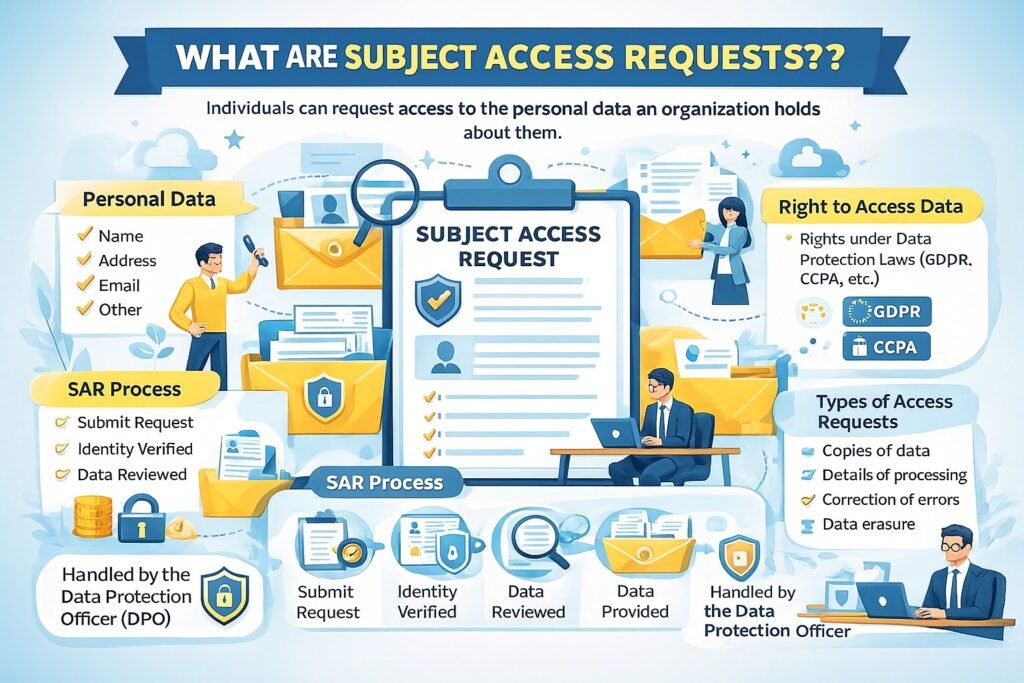
Subject Access Requests (SARs) offer individuals a powerful mechanism to access their personal data held by organizations. In an era where data privacy is of paramount importance, understanding these requests is crucial for both individuals and organizations. This article delves into the nature of SARs, their significance in empowering consumer rights, and the best practices for handling them. By addressing the intricacies of SARs, we aim to provide a comprehensive understanding that can benefit both enterprises and consumers alike.
Understanding What Are Subject Access Requests: A Comprehensive Guide
Subject Access Requests enable individuals to request access to personal data that organizations hold about them. This right, enshrined in data protection legislation such as the General Data Protection Regulation (GDPR) in Europe, allows consumers to know what information is collected, how it’s used, and with whom it’s shared. The primary goal of a SAR is transparency, ensuring individuals have insight into their personal data.
Organizations are required to respond to these requests within a specified timeframe, typically one month, although extensions may apply in complex cases. This time limitation emphasizes the urgency and seriousness with which organizations must handle these requests. A well-managed SAR process not only fosters goodwill among consumers but also enhances the organization’s reputation regarding data privacy and protection.
Moreover, SARs are not merely bureaucratic paperwork; they play an essential role in ensuring accountability. When organizations handle these requests appropriately, it shows a commitment to ethical data management and consumer respect. This helps to build trust, fostering long-term relationships between businesses and consumers based on transparency and integrity.
The Importance of Subject Access Requests for Organizations
For organizations, Subject Access Requests represent both a challenge and an opportunity. Complying with SARs requires systematic data management and privacy practices. Businesses must ensure they have adequate systems in place to locate and retrieve personal data efficiently. This often involves collaboration across various departments, from IT to legal, to ensure compliance and protection of individual rights.
Handling SARs correctly can improve organizational resilience against potential data breaches or compliance failures. Organizations that demonstrate robust data handling practices not only meet regulatory requirements but also minimize the risk of fines and reputational damage. Furthermore, SARs can serve as a valuable tool for organizations to evaluate their data collection practices, identifying areas for improvement.
Additionally, being proactive about SARs can provide insights into consumer sentiment. By understanding what information individuals are interested in, organizations can tailor their services and marketing strategies accordingly. This consumer-focused approach can enhance satisfaction and loyalty, ultimately contributing to a competitive edge in the market.
How Subject Access Requests Empower Consumer Rights
SARs are integral to empowering consumer rights in the digital age. By allowing individuals to access their personal data, these requests promote accountability and transparency from organizations. Consumers have the right to understand how their data impacts them, which is essential in a world where data-driven decisions affect lives.
Furthermore, SARs contribute to the broader movement for data protection and privacy rights. As individuals become more aware of their rights, they are likely to demand better data practices from organizations. This increased awareness fosters a culture of respect for privacy, pushing organizations to adopt more stringent data protection measures.
Equally important, SARs help individuals exercise control over their personal information. When consumers can access their data, they can identify inaccuracies and request corrections. This not only reinforces their rights but also ensures that organizations maintain accurate and up-to-date information, enhancing the overall quality of the data held.
Key Elements of a Subject Access Request Explained
A well-structured Subject Access Request typically includes several key elements. Firstly, it should specify the individual making the request, including their full name and any relevant identification details to verify their identity. This step is crucial for organizations to ensure they are releasing information to the correct person, thereby safeguarding data privacy.
Secondly, a SAR should outline the specific information being requested. While individuals can ask for all personal data, being specific about the types of data (e.g., emails, transactional data) can streamline the process for both parties. Additionally, including a timeframe for the data requested can help organizations assess the data retrieval process more effectively.
Finally, the request should also include a clear statement of the purpose behind the SAR. Whether it’s to verify data accuracy, understand data usage, or pursue a legal claim, stating the purpose can help organizations prioritize and respond appropriately. This clarity ensures that the request is treated with the seriousness it deserves.
The Process of Submitting a Subject Access Request
Submitting a Subject Access Request involves several straightforward steps. The first step is to identify the organization holding the personal data. This may require some research if the individual is unsure where their data is stored. Once the organization is identified, the next step is to draft the SAR, ensuring it is clear, concise, and includes all necessary details.
After drafting the request, individuals can submit it through the appropriate channels, which may vary by organization. Some organizations may have dedicated online portals for SAR submissions, while others might require requests to be sent via email or postal mail. It’s essential to check the organization’s privacy policy for specific instructions on how to submit a SAR.
Once the request is submitted, individuals should keep a record of their submission, including the date and method of submission. This documentation can be helpful if the organization fails to respond within the expected timeframe, allowing the individual to follow up or escalate the request if needed.
Common Challenges in Handling Subject Access Requests
Organizations often face several challenges when handling Subject Access Requests. One significant hurdle is the complexity of data management systems. Many organizations may struggle to locate all relevant personal data, especially if data is scattered across various departments or systems. This can lead to delays in responses and potential non-compliance with the regulatory timelines.
Another challenge is ensuring that the request is genuine and that the identity of the requester is verified. Organizations must have robust identity verification processes to prevent unauthorized access to personal information. Balancing the need for authentication with the urgency of the request can create tension in the response process.
Moreover, the increasing volume of SARs can overwhelm organizations, particularly those that have not anticipated the rising demand for data transparency. Without proper planning and resources, organizations may find themselves struggling to respond to requests, potentially exposing themselves to regulatory scrutiny and penalties.
Best Practices for Responding to Subject Access Requests
To effectively handle Subject Access Requests, organizations should adopt a structured approach. Firstly, they should establish a dedicated team responsible for managing SARs. This team should be well-versed in data protection laws and equipped with the necessary tools to retrieve and process data efficiently.
Secondly, organizations should implement a comprehensive tracking system for SARs, documenting the request’s receipt, processing time, and final response. This transparency not only aids compliance but also helps organizations identify trends and potential areas for improvement in their data management practices.
Finally, regular training and awareness programs can empower staff across all levels to understand the importance of SARs. By promoting a culture of data protection and privacy awareness, organizations can ensure that every employee recognizes their role in safeguarding consumer rights and handling personal data responsibly.
Future Trends in Subject Access Requests and Data Privacy
As data protection laws continue to evolve, the landscape of Subject Access Requests is also changing. One notable trend is the increasing use of technology, such as artificial intelligence and machine learning, to streamline the SAR process. Organizations are beginning to leverage these technologies to automate data retrieval, reducing the time and resources required to respond to requests.
Another emerging trend is the growing emphasis on data minimization practices. As organizations become more mindful of the volume of personal data they collect, there is a push to collect only what is necessary. This shift not only aids compliance with SARs but also aligns with consumers’ growing desire for privacy and control over their data.
Finally, as consumer awareness and demand for data rights increase, organizations may see a rise in the complexity of requests. This evolution will require them to adapt their processes continually and invest in resources to ensure they remain compliant while meeting consumer expectations. By staying ahead of these trends, organizations can position themselves as leaders in data privacy and consumer trust.
Subject Access Requests are crucial in the contemporary landscape of data privacy and consumer rights. By understanding the nuances of SARs, organizations can improve their compliance, enhance customer relationships, and foster a culture of transparency. As we navigate an increasingly data-driven world, embracing these requests will not only benefit organizations but also empower consumers in their quest for control over their personal information.
Hashtags: #DataPrivacy #ConsumerRights #GDPR #DataProtection #Transparency
External Source: For more details on understanding Subject Access Requests and their implications, check out the Information Commissioner’s Office at https://ico.org.uk/for-organisations/uk-gdpr-guidance-and-resources/subject-access-requests/a-guide-to-subject-access/