
What Does RFI Stand for in Construction? Practical Guidance for Teams
Understanding the RFI Concept in Construction Projects
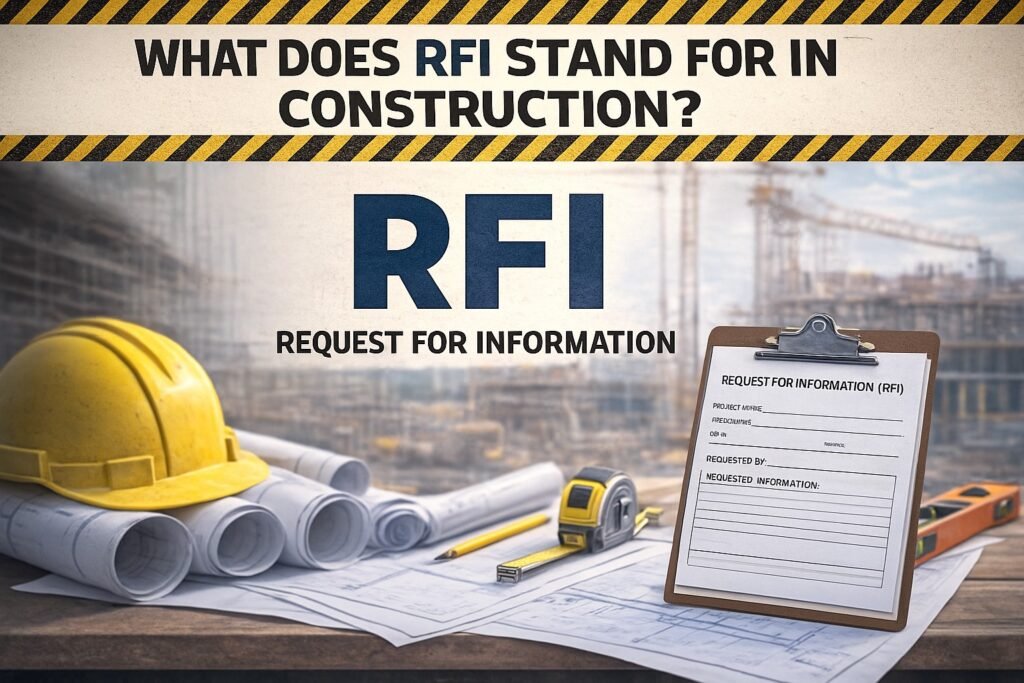
In the construction industry, effective communication is critical to the success of any project. One key tool that facilitates this communication is the Request for Information (RFI). An RFI serves as a formal request for clarification on project details, specifications, or any other aspect that may be unclear. This tool not only helps prevent misunderstandings but also ensures that all parties involved have the same information, which is crucial for collaboration and project efficiency. Understanding what an RFI is and how to utilize it effectively can significantly enhance the overall workflow of construction projects.
An RFI is typically submitted by contractors to architects, engineers, or project managers when they encounter uncertainties in the construction documents. This request is not merely a question; it is a formalized process that requires specific details to be included, making it essential for maintaining clear communication channels. An effective RFI can avert costly mistakes, delays, and disputes. By prompting timely responses, RFIs ensure that all parties remain aligned on project goals and timelines.
Moreover, RFIs play a significant role in risk management. When uncertainties arise, they can lead to misinterpretations that may compromise the project’s integrity. Using RFIs effectively allows stakeholders to address these uncertainties proactively, thereby minimizing risk and fostering a more collaborative environment. In this article, we will delve into the importance of RFIs in construction, their key components, common mistakes to avoid, and real-world applications that highlight their significance in project management.
The Importance of RFIs for Clear Communication
Clear communication is the backbone of any successful construction project, and RFIs are an essential component of that communication framework. When contractors or subcontractors encounter ambiguities in the project documentation, submitting an RFI allows them to seek clarification in a structured way. This not only enhances understanding but also ensures that everyone involved is on the same page, thereby reducing the likelihood of errors.
Furthermore, RFIs serve as documented evidence of inquiries made during the project’s lifecycle. This documentation can be invaluable in disputes or claims, providing a clear trail of communication that can trace back to when and how decisions were made. This level of accountability is crucial in large-scale projects, where multiple stakeholders are involved, and where the ramifications of misunderstandings can lead to significant financial and operational consequences.
Additionally, timely responses to RFIs can contribute to maintaining the project schedule. When requests for information are addressed swiftly, it prevents bottlenecks that can stall the progression of work. This fluid communication stream encourages a proactive approach to problem-solving, enabling teams to address issues before they escalate into larger complications. Thus, understanding the importance of RFIs in promoting clear communication is fundamental for any organization involved in construction.
Key Components of a Well-Structured RFI
Creating a well-structured RFI can significantly enhance its effectiveness. First, clarity is key. The request should clearly articulate the specific information needed, supplemented by relevant project details such as the project name, location, and the specific drawing or specification number in question. This information helps the recipient quickly understand the context and urgency of the request.
Second, RFIs should include a deadline for response. By specifying when the information is needed, it encourages prompt attention from the recipient. Including a timeline for resolution ensures that the project remains on track and highlights the urgency of the inquiry. This component is essential in maintaining project schedules, especially in larger projects where timelines are tight.
Finally, the RFI should maintain a professional tone and be free from jargon or ambiguous language. This ensures that the communication is easily understood by all parties involved. A well-structured RFI not only conveys professionalism but also minimizes the chances of misinterpretation, allowing for informed decision-making. By focusing on these key components, organizations can ensure that their RFIs are effective and contribute positively to the project’s outcome.
Common Mistakes to Avoid When Submitting an RFI
While RFIs are vital tools for clarity, there are common pitfalls that can diminish their effectiveness. One mistake is submitting vague requests. An RFI that lacks specificity can lead to confusion and delays, as the recipient may have difficulty understanding what is being asked. Always be as clear and precise as possible, detailing the exact issues or questions related to the project.
Another common error is failing to include all relevant documentation. RFIs should reference specific plans, drawings, or specifications to provide context. Omitting these details can lead to unnecessary back-and-forth communication, frustrating both the sender and the recipient. This not only wastes time but can also delay project timelines, which can be particularly damaging in large-scale construction initiatives.
Lastly, neglecting to follow up can be detrimental. Once an RFI is submitted, it’s essential to keep track of its status and ensure a timely response. Following up demonstrates the importance of the request and helps maintain the momentum of the project. By avoiding these common mistakes, organizations can ensure that their RFIs are effective and contribute positively to the overall project execution.
How RFIs Impact Project Timelines and Budgets
RFIs can have significant implications for both project timelines and budgets. When RFIs are not managed effectively, they can lead to delays that ripple through the entire project schedule. If a contractor submits an RFI and does not receive a timely response, construction may halt, leading to idle time for labor and resources. This can result in increased costs and a cascading effect on subsequent project phases.
Moreover, every RFI generated can incur additional costs. The time spent drafting, reviewing, and responding to RFIs adds up, especially in large-scale projects where multiple RFIs may be outstanding simultaneously. These costs can accumulate and impact the overall project budget, making it essential for organizations to manage RFIs efficiently to mitigate these financial repercussions.
Conversely, when RFIs are handled promptly and accurately, they can contribute positively to project timelines and budgets. By facilitating swift communication and clarification, RFIs allow teams to resolve uncertainties quickly, minimizing delays. This efficiency not only helps in maintaining the project schedule but also supports budget adherence by reducing the potential for costly changes or rework. Therefore, understanding how RFIs impact both timelines and budgets is crucial for effective project management.
Best Practices for Managing RFIs Effectively
To manage RFIs effectively, organizations should adopt a systematic approach. First, establish a centralized tracking system for all RFIs. This system would allow stakeholders to monitor the status of requests, ensuring that nothing falls through the cracks. A well-organized tracking system enables project managers to prioritize RFIs based on urgency and relevance, promoting efficient communication.
Second, ensure that all team members are trained in the RFI process. Understanding the importance of RFIs and how to create them effectively should be part of the training for all employees involved in the project. Regular workshops or training sessions can be beneficial in keeping the team updated on best practices and encouraging a culture of proactive communication.
Finally, consider implementing a timeline for RFI responses. Setting clear deadlines for when RFIs should be answered minimizes the chances of delays and keeps the project on track. By establishing accountability for responses, organizations can foster a more collaborative environment that emphasizes timely and effective communication. These best practices can significantly enhance the management of RFIs, contributing to overall project success.
The Role of RFIs in Risk Mitigation Strategies
RFIs play a critical role in risk mitigation strategies within construction projects. By seeking clarity on ambiguous elements of project documentation, stakeholders can proactively address potential issues before they escalate. This proactive approach reduces the likelihood of misunderstandings, which can lead to costly errors or disputes down the line.
Moreover, regular issuance and monitoring of RFIs can help identify recurring issues or patterns. By analyzing these trends, project managers can implement corrective measures to prevent future occurrences. This continuous improvement mindset is vital in minimizing risks and ensuring smoother project execution.
Additionally, RFIs can serve as documentation that reinforces accountability among stakeholders. In the event of disputes or claims, having a clear record of all inquiries and responses provides invaluable evidence of communication dynamics. This aspect of RFIs bolsters risk management strategies, ensuring that all parties are aware of their responsibilities and the decisions made throughout the project. Thus, effectively utilizing RFIs can significantly contribute to a robust risk mitigation framework.
Real-World Examples of RFIs in Action
To illustrate the importance of RFIs, consider a large commercial construction project where the contractor noticed discrepancies in the architectural drawings. The contractor submitted an RFI to clarify the intended height of a structural element. The prompt response from the architect provided clarity, enabling the contractor to proceed without unnecessary delays. This example highlights how timely RFI management can prevent potential rework and keep the project on track.
Another example involves a public infrastructure project where an environmental compliance issue arose. An RFI was submitted to clarify the specific requirements for environmental assessments. The project’s team received a detailed response that ensured adherence to regulatory standards, preventing potential fines and project delays. This instance underscores how RFIs can act as critical tools for compliance and risk management.
In a third scenario, a contractor working on a residential development faced confusion over material specifications. By submitting an RFI, the contractor received guidance on acceptable alternatives that met the project’s design intent. This flexibility allowed for timely sourcing of materials, keeping the project on schedule despite initial uncertainties. These real-world examples illustrate the significant role RFIs play in the successful execution of construction projects.
In conclusion, RFIs are invaluable tools in the construction industry, serving as a formal mechanism for clarifying ambiguities and promoting effective communication among stakeholders. By understanding the importance of RFIs, incorporating best practices for their management, and recognizing their role in risk mitigation, organizations can streamline their construction processes and enhance project outcomes. By fostering a collaborative environment where RFIs are utilized effectively, teams can minimize misunderstandings, maintain project timelines, and adhere to budgets. Ultimately, the strategic use of RFIs contributes to the overall success of construction projects, paving the way for smoother operations and stronger partnerships among all involved.
Future Trends and Strategic Outlook
The construction and project management landscape is entering a period of accelerated change, driven by digital transformation, regulatory pressure, and increasing expectations around transparency and performance. As projects grow in scale and complexity, traditional communication and documentation practices are no longer sufficient on their own. Tools such as RFIs are evolving from simple clarification mechanisms into integral components of broader governance, risk management, and data-driven delivery frameworks.
One of the most significant trends is the digitization of RFI management. Enterprise construction platforms are increasingly embedding RFIs into integrated project management ecosystems, linking them directly to schedules, cost controls, design models, and change management workflows. This integration enables real-time visibility of open RFIs, response times, and downstream impacts, allowing project leaders to make faster, more informed decisions. Over time, this shift will reduce reliance on manual tracking and fragmented communication channels.
Data analytics and artificial intelligence are also beginning to influence how RFIs are managed. Predictive analytics can identify patterns in recurring RFIs, highlighting design weaknesses, documentation gaps, or contractor capability issues early in the project lifecycle. Advanced organizations are already using this insight to improve design quality upfront, reduce rework, and strengthen risk forecasting at the portfolio level.
From a governance perspective, RFIs are increasingly viewed as performance indicators rather than administrative by-products. Executive teams and PMOs are using RFI volume, response time, and resolution quality as signals of project health, collaboration effectiveness, and design maturity. This trend elevates RFIs into formal reporting and assurance frameworks, particularly on large infrastructure and capital programs.
Regulatory and contractual expectations are also tightening. As projects face greater scrutiny around compliance, sustainability, and safety, the ability to demonstrate clear decision trails is becoming non-negotiable. RFIs will continue to play a critical role in evidencing due diligence, managing contractual risk, and supporting claims defensibility in increasingly complex contractual environments.
Strategically, organizations that treat RFIs as part of an integrated delivery and governance capability, rather than a reactive site process, will gain a competitive advantage. By investing in standardized RFI processes, digital tools, and leadership accountability, enterprises can improve predictability, reduce disputes, and deliver higher-quality outcomes. In the future, effective RFI management will be less about responding to questions and more about enabling clarity, control, and confidence across the entire construction lifecycle.
FAQ Section
What does RFI stand for in construction?
RFI stands for Request for Information. In construction, it is a formal document used to request clarification on drawings, specifications, or contract documents when information is unclear or conflicting.
Who typically submits an RFI?
RFIs are usually submitted by contractors or subcontractors. They are addressed to architects, engineers, consultants, or the project manager responsible for providing clarification.
When should an RFI be raised on a construction project?
An RFI should be raised as soon as an ambiguity, inconsistency, or missing detail is identified in the project documentation. Early submission helps prevent delays, rework, and cost overruns.
What information should be included in an RFI?
A well-structured RFI includes a clear description of the issue, reference drawings or specifications, the specific question being asked, and any potential impact on cost or schedule if unresolved.
How do RFIs support risk management?
RFIs reduce risk by formally documenting uncertainties and their resolutions. This prevents assumptions, minimizes errors, and creates an audit trail that supports claims management and dispute resolution.
What is the difference between an RFI and a change request?
An RFI seeks clarification on existing documents, while a change request proposes a modification to scope, design, or cost. An RFI may lead to a change request, but the two serve different purposes.
How do RFIs impact project schedules?
Unresolved RFIs can cause work stoppages and delays. Prompt submission and timely responses help maintain workflow continuity and protect critical path activities.
Are RFIs legally important in construction projects?
Yes. RFIs create formal records of communication and decisions. They can be critical evidence in contractual disputes, claims, or audits.
What are common mistakes when managing RFIs?
Common mistakes include submitting vague questions, failing to reference drawings, delaying submission, or not tracking responses. Poor RFI management can increase risk and reduce accountability.
How should RFIs be tracked on large construction projects?
RFIs should be logged, prioritized, and monitored using project management or construction management software. Clear ownership and response timelines are essential for effective control.
Do RFIs apply to all types of construction projects?
Yes. RFIs are used across residential, commercial, industrial, and infrastructure projects. Their importance increases with project size, complexity, and the number of stakeholders involved.
How do RFIs improve collaboration between project stakeholders?
RFIs promote structured, transparent communication. They encourage early issue resolution and help align expectations between contractors, designers, and project managers.
Conclusion
Requests for Information are far more than administrative paperwork within construction projects. They are a critical governance and communication mechanism that enables clarity, accountability, and informed decision-making across the entire project lifecycle. When used correctly, RFIs protect project teams from costly assumptions, reduce the risk of rework, and ensure that design intent is accurately translated into execution.
In complex construction environments involving multiple stakeholders, disciplines, and contractual boundaries, RFIs provide a structured pathway for resolving uncertainty before it escalates into delays or disputes. They create a documented record of clarification that supports compliance, risk management, and contractual integrity, particularly on large or high-value projects where the cost of misinterpretation is significant.
Ultimately, effective RFI management reflects the maturity of a project’s communication and governance framework. Organizations that treat RFIs as a proactive tool rather than a reactive burden are better positioned to maintain schedule discipline, control costs, and deliver projects with confidence. By embedding clear RFI processes, assigning ownership, and responding promptly, construction teams can strengthen collaboration, improve delivery outcomes, and safeguard long-term project success.
Hashtags
ConstructionManagement #RFIs #ProjectSuccess #RiskMitigation #EffectiveCommunication
External Source
For further insights into RFIs and effective construction management, visit the Construction Industry Institute at https://www.constructioninstitute.org/ to discover resources that can enhance your project execution strategies.
Discover More great insights at www.pmresourcehub.com
One Comment