
Why is Punctuality Important in the Construction Industry: Key Reasons
Punctuality is often viewed as a mere courtesy, but in the construction industry, it takes on a much larger significance. Timeliness is intricately woven into the fabric of project management, influencing everything from budget adherence to stakeholder trust. This article delves into the crucial role of why is Punctuality Important in the Construction Industry, providing insights and strategies for maintaining it on job sites.
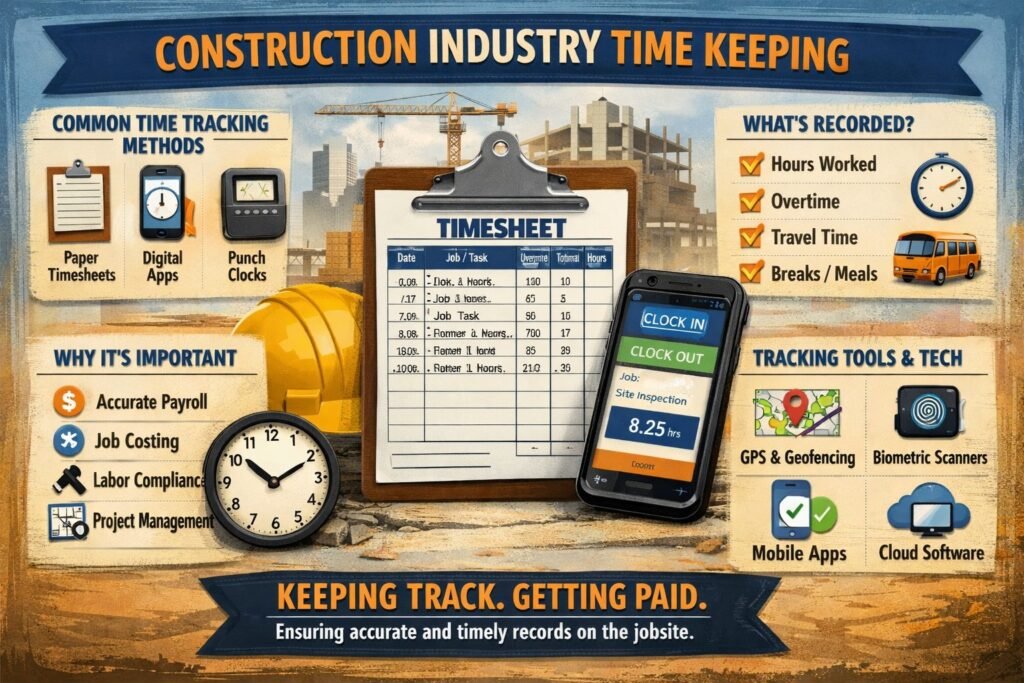
Understanding Punctuality’s Impact on Construction Success
Punctuality is the backbone of effective project management in construction. When timelines are adhered to, projects proceed smoothly, allowing for the coordinated efforts of various teams. Every phase of a construction project, from planning to execution, hinges on strict adherence to schedules. The interplay of different contractors, suppliers, and laborers requires a well-timed orchestration to ensure that tasks flow seamlessly. A delay in one area can create a ripple effect that disrupts the entire project.
In addition to maintaining workflow, punctuality directly impacts the allocation of resources. Construction firms often allocate labor, materials, and equipment based on a schedule. When delays occur, resource allocation becomes complicated, leading to wasted materials and underutilized labor. Therefore, timely execution not only helps in maintaining the budget but also optimizes resource management, ensuring that everything is available when needed.
Moreover, punctuality fosters a culture of accountability. When project team members are held responsible for meeting deadlines, it encourages a sense of ownership and professionalism. This atmosphere of responsibility can lead to increased productivity, as workers are motivated to complete their tasks on time. In essence, punctuality is not merely a desirable trait; it is fundamental to the overall success of any construction project.
The Cost of Delays: Financial Implications in Construction
Delays in construction projects can have severe financial implications. According to a survey by the Project Management Institute, nearly 70% of organizations face project delays, leading to budget overruns. Every day a project is delayed, additional costs accrue, including labor, equipment rental, and material storage fees. These financial burdens can strain budgets, forcing companies to compromise on quality or cut corners in other areas, which can have long-lasting repercussions.
Beyond immediate costs, delays can lead to strained relationships with clients and stakeholders. Investors and clients expect timely deliveries, and any slip-ups can undermine trust and credibility. When projects go off track, firms may find themselves not only dealing with financial consequences but also with potential legal battles arising from contract disputes. Thus, the financial implications of delays extend far beyond immediate expenditures, encompassing long-term reputational damage.
In many instances, the costs associated with delays can outweigh the initial savings achieved through cut-rate bids or cheap labor. For large construction firms, effective time management can be the differentiator between profit and loss. In the hyper-competitive construction industry, companies that prioritize punctuality are often the ones that thrive, while those that don’t may find themselves facing substantial setbacks.
Building Trust: Punctuality and Client Relationships
Punctuality is a vital component of building trust in client relationships. When construction firms consistently meet deadlines, they demonstrate reliability and professionalism. Clients are more likely to engage with contractors who honor their commitments, and this trust can lead to repeat business and referrals. A strong reputation for punctuality can become a valuable asset in a competitive marketplace where many firms vie for the same clients.
Conversely, delays can erode trust quickly. If a construction company misses deadlines or fails to communicate effectively, clients may question their capabilities and integrity. This breakdown in trust can lead to lost opportunities and tarnished reputations. Clients want assurance that their investments will yield returns, and punctuality is a clear indicator of a firm’s ability to deliver on promises.
Establishing a solid foundation of trust through punctuality can also foster more collaborative relationships. When clients feel confident in a contractor’s ability to meet deadlines, they are more likely to engage in open lines of communication and collaborative problem-solving. This can ultimately lead to improved project outcomes, as both parties work together to achieve mutual goals.
Enhancing Team Morale Through Timely Execution
Timely execution plays a crucial role in enhancing team morale on construction sites. When project timelines are respected, workers often experience a sense of accomplishment that boosts their motivation and enthusiasm. Teams that see their efforts translating into progress are more likely to feel valued and engaged, resulting in higher productivity levels. A motivated workforce can directly impact the quality of work produced, thereby contributing to overall project success.
Moreover, when deadlines are met, it creates a positive feedback loop. Teams celebrate milestones, fostering a sense of camaraderie and unity. This shared experience of success can improve group dynamics, leading to better collaboration and communication among team members. When workers feel camaraderie and trust with each other, they are more likely to support one another in achieving shared goals.
On the flip side, delays can lead to frustration and demotivation among team members. When workers feel that their efforts are in vain due to missed deadlines, morale can plummet. This can create a toxic work environment where blame is cast, and productivity declines. Thus, maintaining punctuality is not merely about adhering to schedules; it is also about cultivating a positive atmosphere that empowers teams to thrive.
Strategies for Maintaining Punctuality on Job Sites
To ensure punctuality, construction firms can implement several effective strategies. First and foremost, clear communication is vital. Setting realistic timelines and expectations during project planning can help all stakeholders understand their roles and responsibilities. Regular check-ins and updates can also keep everyone informed and accountable. When everyone is on the same page, delays can be proactively addressed before they escalate.
Another crucial strategy is effective resource management. Ensuring that materials, tools, and labor are available when needed can eliminate many common delays. Utilizing project management software can help track progress and resource allocation, enabling teams to identify potential bottlenecks early on. Efficient resource management can significantly reduce the risk of delays and keep projects on track.
Finally, fostering a culture of accountability among team members is essential. When everyone understands the stakes and their individual responsibilities, they are more likely to prioritize punctuality. Offering incentives for timely completion of tasks can motivate workers to stay on schedule. Training programs that emphasize the importance of time management can also instill these values in new employees, ensuring that punctuality becomes a core part of the organizational culture.
Real-Life Examples of Punctuality in Action
One notable example of punctuality leading to project success is the construction of the Burj Khalifa in Dubai. Despite its massive scale, the project was completed ahead of schedule due to meticulous planning and efficient resource management. The team utilized advanced construction techniques and maintained strict adherence to timelines, demonstrating how punctuality can lead to extraordinary results in high-stakes environments.
Another inspiring case is that of the Sydney Opera House, where punctuality played a pivotal role in its eventual success. Although the project faced multiple delays and budget overruns during its early phases, a renewed commitment to timeline adherence helped complete the stunning architectural marvel. This turnaround not only satisfied stakeholders but also enhanced the reputation of the involved firms, highlighting how accountability and punctuality can transform challenging projects.
In contrast, the infamous Boston Big Dig project serves as a cautionary tale of the consequences of poor punctuality. The project faced significant delays, leading to escalating costs and public frustration. The lack of adherence to timelines harmed relationships with stakeholders and tarnished the reputation of the construction companies involved. This example underscores the importance of punctuality in avoiding pitfalls that can derail even the most ambitious construction endeavors.
The Role of Technology in Improving Time Management
In today’s construction landscape, technology plays a pivotal role in enhancing punctuality and time management. Project management software can streamline scheduling, resource allocation, and team communication, ensuring that all stakeholders remain informed and accountable. Tools such as BIM (Building Information Modeling) enable teams to visualize project timelines and identify potential conflicts, allowing for proactive solutions that keep projects on track.
Moreover, mobile technology allows for real-time updates from the job site. Workers can communicate progress, report delays, and request support instantly, eliminating traditional bottlenecks in communication. The integration of IoT (Internet of Things) devices can further optimize task management, providing data that can predict delays and enhance decision-making processes.
Finally, leveraging data analytics can help firms analyze past projects to understand where delays commonly occur. By identifying patterns, construction companies can devise targeted strategies to mitigate these issues in future projects. In this digital age, embracing technology is not just a competitive advantage; it is essential for maintaining punctuality and ensuring project success.
Punctuality is a cornerstone of success in the construction industry, influencing timelines, budgets, and client relationships. By prioritizing timely execution, firms can enhance team morale, build trust with clients, and ultimately achieve better project outcomes. Embracing effective strategies and leveraging technology will ensure that punctuality becomes a core value that drives success in the construction sector.
Conclusion – Why is Punctuality Important in the Construction Industry: Key Reasons
Punctuality is not a soft skill or an administrative ideal in construction, it is a core performance driver that directly shapes project outcomes. As this blog has shown, timely execution influences everything from cost control and resource efficiency to client trust, team morale, and long-term reputation. In an industry defined by interdependencies, even minor schedule slippages can cascade into significant operational and financial consequences.
Organizations that consistently succeed in construction are those that treat punctuality as a strategic discipline rather than a reactive necessity. By embedding clear accountability, realistic planning, disciplined communication, and technology-enabled time management into daily operations, firms can reduce risk and increase predictability. Equally important, punctuality reinforces a culture of professionalism and ownership that empowers teams and strengthens client relationships.
Ultimately, construction success is built on trust, coordination, and execution. Punctuality sits at the intersection of all three. Firms that prioritize it position themselves not only to deliver projects on time, but to compete more effectively, protect margins, and build lasting credibility in an increasingly demanding construction landscape.
Hashtags: #ConstructionSuccess #PunctualityMatters #ProjectManagement #TeamMorale #TimeManagement
Discover The Importance of Attendance Tracking in Construction by First Bit
https://firstbit.ae/blog/guides/the-importance-of-attendance-tracking-in-construction
More great insights at pmresourcehub.com