10 Proven Ways to Tailor Project Management Methodologies for Complex Programs
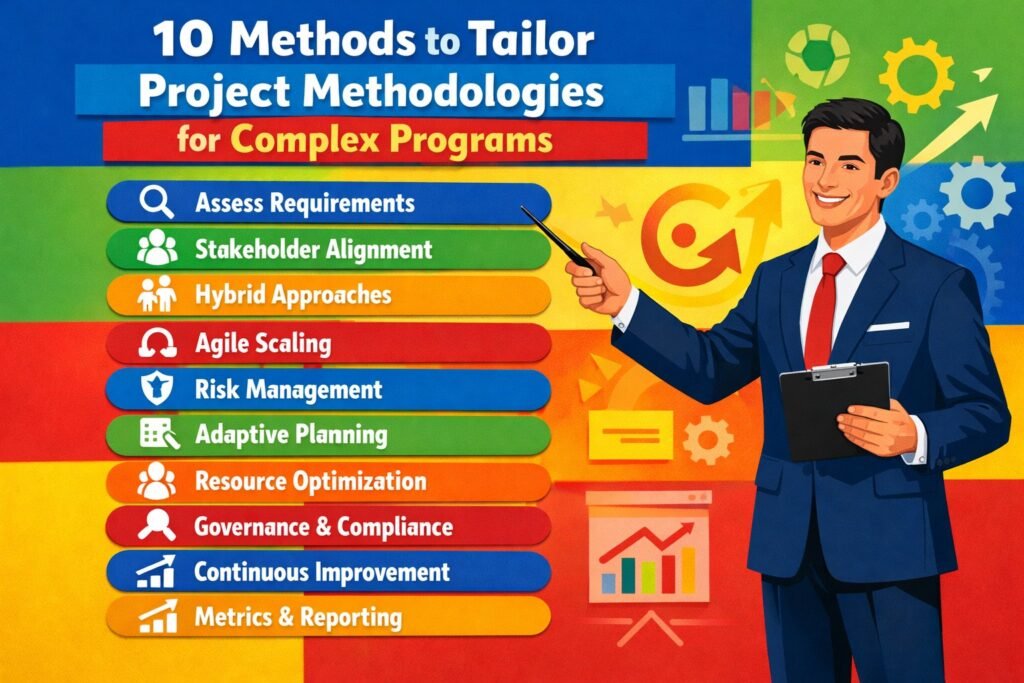
Tailoring project methodologies for complex programs is essential for successful execution in today’s dynamic business environment. With rapid technological advancements and shifting market demands, organizations must adapt their approaches to project management to accommodate a variety of unique challenges. Implementing ways to tailor Project Management Methodologies not only enhances efficiency but also boosts stakeholder satisfaction, ultimately driving project success. This article explores ten effective methods to tailor project methodologies, ensuring that complex programs achieve their objectives while maximizing resource utilization and collaboration across diverse teams.
Understanding the Importance of Tailoring Methodologies
Tailoring project methodologies is crucial for addressing the specific needs of complex programs. In traditional project management frameworks, a one-size-fits-all approach often leads to inefficiencies and limited adaptability. By customizing methodologies to fit the unique context of each program, organizations can better align their resources, timelines, and stakeholder expectations. This increased alignment leads to greater project success rates and more efficient use of organizational assets.
Moreover, tailored methodologies allow teams to remain agile and responsive to unforeseen challenges. For instance, if a project encounters unexpected regulatory hurdles, a tailored approach enables swift redeployment of resources and adaptation of processes. This flexibility is vital in complex programs where rapid change is often the norm. Whether through reallocation of personnel or adjustment of timelines, effective tailoring can make the difference between success and failure.
Finally, customized methodologies foster a culture of continuous improvement. By actively reflecting on past projects and incorporating lessons learned, organizations can refine their approaches over time. This iterative process not only enhances future project outcomes but also cultivates an environment where team members feel empowered to contribute to the methodology development process.
Identifying Unique Challenges in Complex Programs
Complex programs often present a myriad of unique challenges that require keen identification and understanding. One significant challenge is the complexity of stakeholder relationships. In large organizations, multiple stakeholders may have differing expectations and priorities. Tailoring methodologies to facilitate effective communication and collaboration among these parties is critical for project alignment and success. This could involve stakeholder mapping and the establishment of clear protocols for conflict resolution.
Another challenge lies in the technical intricacies of the programs themselves. Complex projects may involve cutting-edge technologies or intricate systems integration that traditional methodologies may not adequately address. Identifying these technical challenges upfront allows teams to incorporate specialized practices or tools that will aid in navigating these complexities. For example, adopting specific software tools or programming languages tailored to the project can enhance efficiency and reduce the risk of errors.
Lastly, the organizational culture plays a significant role in shaping how complexity is managed. Understanding the existing culture and how it influences project dynamics is essential. Methodologies should be tailored to fit within the cultural context of the organization, encouraging buy-in from team members and stakeholders alike. By recognizing and addressing these unique challenges, organizations can pave the way for successful program execution.
Assessing Stakeholder Needs for Project Success
Understanding and assessing stakeholder needs is a critical step in tailoring project methodologies. Effective stakeholder engagement ensures that expectations are aligned and that the project delivers value to all parties involved. Start by conducting comprehensive stakeholder analysis to identify key individuals and groups, understanding their priorities, concerns, and the value they seek from the project. This information forms the foundation for tailoring methodologies that resonate with stakeholder needs.
Once their needs are clear, organizations can implement tailored communication strategies. For some stakeholders, regular updates via meetings may be beneficial, while others may prefer succinct reports or informal check-ins. Establishing clear lines of communication fosters trust and transparency, as stakeholders feel more involved and informed throughout the project’s lifecycle.
Furthermore, organizations can prioritize stakeholder feedback as a continuous part of the project. By actively soliciting input at various stages and being responsive to concerns, project teams can adapt their methodologies in real-time. This responsiveness not only enhances stakeholder satisfaction but also ensures that the project remains on track to meet its objectives, regardless of evolving needs.
Integrating Agile Principles in Traditional Methodologies
Integrating Agile principles into traditional methodologies offers organizations a way to enhance flexibility and responsiveness in complex programs. Agile practices, such as iterative development and incremental delivery, encourage teams to produce value quickly and adapt to changing requirements. By incorporating these principles, organizations can tailor their methodologies to better respond to the demands of complex projects.
Start by identifying areas within your traditional methodology where Agile practices can be implemented. For example, consider adopting sprints for specific phases of the project, allowing for regular assessment and adjustments based on stakeholder feedback. This iterative approach can lead to higher-quality deliverables and greater alignment with stakeholder expectations.
Additionally, fostering a culture of collaboration and open communication is essential when integrating Agile principles. Encourage team members to share ideas and feedback openly, promoting a sense of ownership and accountability. By blending Agile practices with traditional methodologies, organizations can create a more dynamic project environment that is capable of navigating complexities more effectively.
Utilizing Data-Driven Decision Making in Projects
Data-driven decision making is an invaluable asset in tailoring project methodologies for complex programs. By leveraging data analytics and performance metrics, organizations can make informed decisions that enhance project outcomes. Start by establishing key performance indicators (KPIs) that align with project objectives. These metrics can guide decision making and help teams identify potential issues before they escalate.
Utilizing data analytics tools allows project managers to visualize and interpret data effectively. For instance, dashboards can provide real-time insights into project performance, enabling teams to make timely adjustments. By using historical data to inform future decisions, organizations can avoid repeating past mistakes and optimize their methodologies accordingly.
Moreover, data-driven decision making fosters a culture of accountability. When teams have access to relevant data, they can better understand how their actions impact project outcomes. This transparency encourages team members to collaborate and innovate, leading to enhanced problem-solving capabilities within the project environment.
Implementing Hybrid Methodologies for Greater Flexibility
Implementing hybrid methodologies combines the strengths of different project management approaches to create a flexible framework tailored to complex programs. This approach allows organizations to draw from both traditional and Agile methodologies, thereby leveraging the best practices from each. For example, a hybrid methodology may utilize Waterfall for planning and Agile for execution, providing a structured yet adaptive framework.
Start by evaluating the specific needs of the project and identifying which methodologies best address those needs. By creating a tailored blend, organizations can better manage complexity while ensuring that projects remain aligned with overarching business objectives. This flexibility enables teams to pivot and adapt as projects evolve, ensuring that they meet changing requirements.
Additionally, hybrid methodologies can enhance stakeholder engagement. By incorporating elements of both traditional and Agile practices, organizations can better cater to the diverse preferences of stakeholders. This approach not only boosts satisfaction but also fosters a collaborative environment conducive to innovation and problem solving.
Fostering Collaboration Across Diverse Teams
Collaboration is key in managing complex programs, particularly when teams come from diverse backgrounds and areas of expertise. Fostering collaboration requires creating an inclusive environment where team members feel valued and heard. Start by establishing clear communication protocols that promote open dialogue and information sharing. This transparency encourages team members to contribute their unique perspectives, leading to richer insights and more effective solutions.
Additionally, utilizing collaboration tools can enhance teamwork across diverse teams. Digital platforms such as project management software, communication apps, and virtual whiteboards enable seamless collaboration, regardless of team members’ geographic locations. By leveraging these tools, organizations can break down silos and encourage cross-functional collaboration, ensuring that all voices are included in the decision-making process.
Furthermore, building trust among team members is essential for fostering collaboration. Encourage team-building activities and informal gatherings to strengthen interpersonal relationships and promote a sense of camaraderie. When team members trust one another, they are more likely to share ideas and collaborate effectively, facilitating greater project success.
Continuous Improvement: Lessons Learned for Future Projects
Continuous improvement is a cornerstone of effective project management, particularly in complex programs. Organizations should establish a framework for capturing lessons learned throughout the project lifecycle. By documenting successes and challenges, teams can create a repository of knowledge to inform future projects. This practice not only enhances project methodologies but also fosters a culture of learning within the organization.
Start by conducting regular retrospectives or post-mortem meetings at the end of each project phase. Encourage team members to share candid feedback and insights regarding what worked well and what could be improved. These discussions provide valuable opportunities for reflection and growth, leading to enhanced methodologies for future projects.
Additionally, consider implementing a feedback loop that allows for ongoing improvement. By actively soliciting feedback from stakeholders and team members at various stages, organizations can adapt their methodologies in real-time. This commitment to continuous improvement not only enhances project outcomes but also positions the organization as a leader in effective project management practices.
Frequently Asked Questions (FAQ) – Tailoring Project Methodologies for Complex Programs
Why is tailoring project methodologies important for complex programs?
Complex programs often involve multiple stakeholders, cross-functional teams, evolving requirements, and interdependent workstreams. A standardized, one-size-fits-all methodology may not address these variables effectively. Tailoring methodologies ensures alignment with program scale, risk profile, regulatory requirements, and organizational culture, leading to improved execution, adaptability, and outcomes.
What does it mean to “tailor” a project methodology?
Tailoring a methodology involves adapting established frameworks—such as Agile, Waterfall, Hybrid, or PRINCE2—to suit the specific needs of a program. This may include modifying governance structures, reporting frequency, risk management processes, documentation requirements, or stakeholder engagement strategies to better reflect the complexity and objectives of the initiative.
When should a methodology be tailored instead of applied as-is?
Methodologies should be tailored when program complexity, regulatory constraints, stakeholder diversity, or technological uncertainty exceed the assumptions of the base framework. Large-scale transformations, multi-vendor programs, and innovation-driven initiatives often require customization to ensure effective coordination and risk control.
How does tailoring improve stakeholder satisfaction?
By aligning processes with stakeholder expectations and communication preferences, tailored methodologies enhance transparency and accountability. Clear reporting structures, defined decision-making authority, and adaptive planning cycles ensure stakeholders remain informed and engaged throughout the program lifecycle.
Can tailoring methodologies increase project efficiency?
Yes. Tailoring eliminates unnecessary processes while reinforcing critical controls. By focusing on value-added activities—such as targeted risk mitigation, streamlined approvals, and relevant documentation—teams reduce administrative overhead and improve delivery speed without sacrificing governance.
How do organizations balance flexibility with governance?
Successful tailoring requires defining non-negotiable governance standards (e.g., compliance, financial controls, risk oversight) while allowing flexibility in execution methods. A hybrid approach often combines structured oversight with adaptive planning and iterative delivery cycles to maintain both control and agility.
What role does leadership play in tailoring methodologies?
Leadership establishes the strategic direction, governance framework, and cultural alignment necessary for effective tailoring. Executive sponsorship ensures that adaptations remain aligned with organizational objectives and that teams receive the support needed to implement modified processes successfully.
How do you determine the right methodology mix for a program?
The appropriate mix depends on factors such as program scope, technical uncertainty, stakeholder complexity, timeline sensitivity, and regulatory constraints. Conducting an initial program assessment—evaluating risks, dependencies, and organizational maturity—helps determine whether a traditional, agile, or hybrid model is most appropriate.
Does tailoring impact risk management?
Tailoring strengthens risk management by adapting mitigation strategies to program-specific uncertainties. Complex programs often require enhanced risk registers, scenario planning, escalation pathways, and cross-functional risk reviews to proactively address potential disruptions.
How can organizations measure the success of a tailored methodology?
Success can be measured through key performance indicators such as schedule adherence, budget control, stakeholder satisfaction, risk reduction, and delivery quality. Continuous feedback loops and retrospective reviews help refine the tailored approach over time, ensuring sustained improvement and alignment with evolving business objectives.
Conclusion – 10 Proven Ways to Tailor Project Management Methodologies for Complex Programs
Ways to Tailor Project Management Methodologies for complex programs is not just a best practice; it is essential for achieving success in today’s rapidly changing business landscape. By employing these ten methods, organizations can enhance collaboration, improve stakeholder satisfaction, and effectively navigate the complexities inherent in large-scale projects. Embracing a culture of continuous improvement and adaptability will ultimately position organizations to thrive in an increasingly competitive environment.
Hashtags: #ProjectManagement #ComplexPrograms #Agile #Collaboration #ContinuousImprovement
External Source: For more insights on Tailoring agile: Making it fit your project, not the other way around check out this APM Blog
Discover More great insights at https://www.pmresourcehub.com
Explore Free Project Management Templates https://pmresourcehub.com/library/