
15 Project Reporting Mistakes That Undermine Executive Confidence
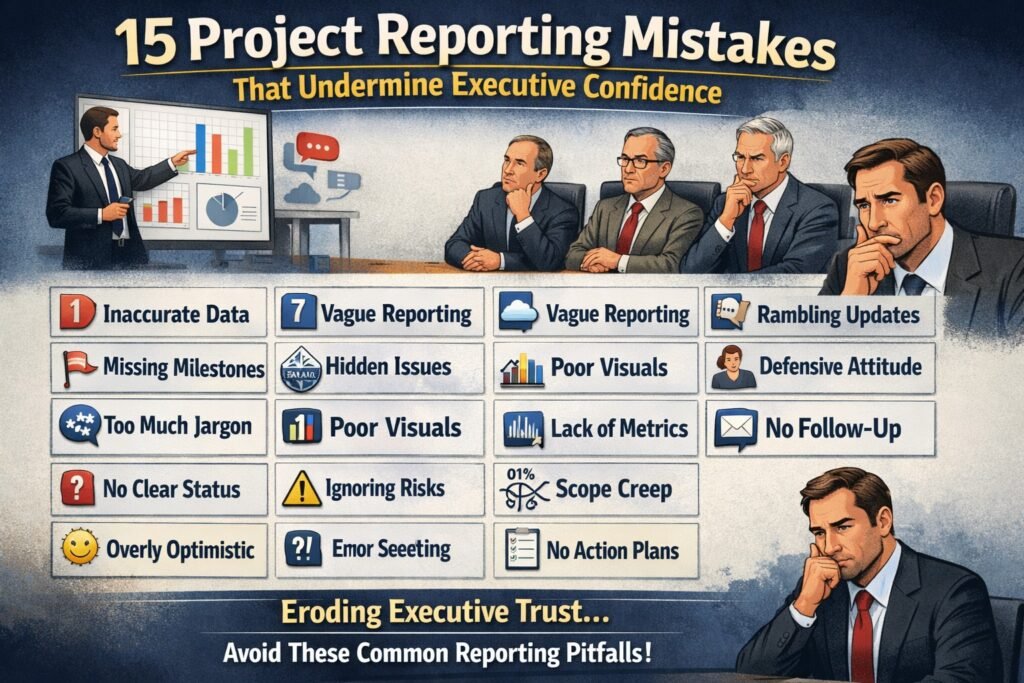
In the fast-paced world of project management, effective communication is paramount. Particularly when it comes to reporting to executives, the stakes are high. Miscommunication can lead to misguided decisions, lost trust, and an overall decline in confidence among leadership. Many professionals in project management find themselves grappling with the most effective ways to present information. Unfortunately, there are several common pitfalls that can undermine the very confidence you aim to instill. In this article, we will delve into 15 project reporting mistakes that not only weaken executive trust but also jeopardize organizational success.
Common Missteps: Neglecting Key Project Metrics in Reports
One of the most significant mistakes teams make in project reporting is neglecting to highlight key metrics. Executives thrive on data-driven insights, and failing to include essential performance indicators can leave them feeling uninformed and uncertain. When reports omit critical metrics such as budget utilization, timeline adherence, and resource allocation, executives may question the project’s viability. For instance, if a project is running behind schedule but there is no mention of this in the report, it may appear that the project is progressing smoothly. This lack of transparency can be detrimental to decision-making.
Furthermore, it is essential to provide context for each key metric presented. Simply listing numbers without an explanation can create confusion. For example, a 20% cost overrun could be alarming without clarifying the reasons behind it—whether it was due to unforeseen circumstances or additional investments that enhance project quality. Providing context helps executives interpret the data correctly, ensuring they are equipped to make informed decisions.
Lastly, neglecting key metrics can send a message that the project team is either unprepared or trying to hide issues. This can lead to a significant erosion of trust between project teams and executives. Trust is vital in any organization, and when executives feel they are not receiving accurate or comprehensive insights, it can lead to skepticism about future reports. Therefore, teams must prioritize transparency and ensure that all critical project metrics are clearly communicated.
Overloading Reports with Unnecessary Technical Jargon
Another common misstep in project reporting is the excessive use of technical jargon. While it’s important for project managers to be well-versed in the terminology of their field, executives often lack the same level of expertise. Overloading reports with complex terms can alienate your audience and obscure the main points you wish to convey. For example, discussing intricate algorithmic processes may be vital for your team’s understanding, but it may not resonate with an executive who is more concerned about the project’s implications on the bottom line.
When reports are filled with jargon, executives may struggle to grasp the project’s status and significance. This can lead to frustration among leadership, resulting in miscommunication and potential misalignment on strategic objectives. To bridge this gap, project teams should aim to communicate their findings in clear, straightforward language. Providing a glossary of terms can also be beneficial, but it should not be a substitute for clarity in the primary report.
Moreover, simplifying language can also enhance engagement. When executives can easily understand the content, they are more likely to stay engaged with the project. An engaged executive is an empowered decision-maker, which in turn leads to greater organizational success. Therefore, it’s crucial to balance technical accuracy with accessibility, ensuring that reports are easily understandable for all stakeholders involved.
Failing to Customize Reports for Executive Audiences
A one-size-fits-all approach to project reporting can be detrimental when addressing diverse executive audiences. Different executives may have varying interests and priorities, which means it’s essential to tailor reports to meet their specific needs. For instance, a CFO may focus on financial metrics, while a CTO might prioritize technical performance. Neglecting to customize reports can lead to disengagement and a feeling among executives that their concerns are not being addressed.
To create more impactful reports, project managers should take the time to understand the unique priorities of the executives they are reporting to. This could involve informal check-ins before the reporting cycle to gauge what metrics or updates would be most valuable. By aligning your reporting with these priorities, you can foster a more productive dialogue and ensure that executives feel informed and empowered.
Furthermore, adding personalized insights can enhance the effectiveness of your reports. Highlighting specific contributions or risks related to each executive’s area of expertise can facilitate deeper conversations and encourage more meaningful feedback. Customization not only reflects your respect for the executive’s role but also strengthens the overall communication dynamic, making it easier to gain the necessary support for your project.
Ignoring the Importance of Visual Data Representation
When it comes to project reporting, visual data representation is key to effective communication. Many project managers underestimate the power of visuals, sticking to text-heavy reports that may overwhelm their audience. Charts, graphs, and infographics can effectively convey complex information in a digestible format. For instance, a simple bar graph can illustrate project timelines more effectively than a lengthy explanation, allowing executives to quickly grasp the project’s status.
Moreover, visuals can highlight trends and anomalies that might be missed in a textual report. A line chart showing project budget fluctuations over time can provide immediate insights into spending patterns. This type of visual representation not only makes it easier for executives to comprehend the data but also allows them to identify potential concerns at a glance, fostering quicker decision-making.
Ignoring the importance of visual data representation risks making your reports less impactful. In a world where executive attention spans are often short, capturing their interest through engaging visuals can make all the difference. By incorporating clear and relevant visuals, you can enhance the clarity of your reports and strengthen executive confidence in your project updates.
Dismissing Stakeholder Feedback on Reporting Formats
One of the most overlooked aspects of effective project reporting is the feedback from stakeholders regarding reporting formats. Many teams move forward with a standard report template, assuming it meets everyone’s needs. However, ignoring stakeholder input can lead to ineffective communication and missed opportunities for improvement. Each stakeholder may have unique preferences for how data is presented, and accommodating these preferences can lead to more engaging and actionable reports.
Soliciting feedback on report formats can reveal valuable insights. For instance, some executives may prefer concise summaries, while others may want more detailed breakdowns. Actively seeking input shows that you value their perspectives and are committed to improving the reporting process. This not only enhances the quality of your reports but also builds trust and credibility with your audience.
Furthermore, fostering an environment where feedback is welcomed can lead to continuous improvement. As project dynamics change, so too may stakeholder preferences. Regularly revisiting reporting formats and being willing to adapt based on feedback can enhance the effectiveness of your communication, ensuring that stakeholders are always receiving information in a way that is most beneficial to them.
Inconsistent Reporting Frequencies: A Trust Erosion Risk
Establishing a consistent reporting frequency is critical for maintaining executive confidence. Irregular reporting can cause uncertainty and lead to executive skepticism about a project’s status. When executives do not receive regular updates, they may feel out of the loop, which can result in mistrust. For example, if reporting intervals are erratic, executives may suspect that there are issues being hidden from them, leading to a breakdown in communication.
To counteract this, project managers should set a clear reporting schedule that aligns with executive needs. This could be weekly, bi-weekly, or monthly, depending on the project’s scope and complexity. By adhering to a consistent schedule, you not only build trust but also create a reliable rhythm for communication. Executives will come to expect updates and will feel more involved and informed about the project’s progress.
Additionally, consistency in reporting frequency allows teams to build a narrative over time. Instead of presenting sporadic data points, project managers can illustrate trends and developments effectively. This comprehensive view can significantly enhance executive understanding and confidence, paving the way for better strategic decisions moving forward.
Lack of Clear Action Items Leads to Executive Confusion
A common oversight in many project reports is the absence of clearly defined action items. When executives review reports, they often look for next steps or decisions that need to be made. If these action items are not clearly articulated, it can lead to confusion and indecision. For instance, if a report highlights a delay but does not specify what needs to happen next, executives may struggle to determine how to proceed.
Clearly outlining action items can enhance the effectiveness of your reports. Each report should conclude with a section that summarizes the next steps or decisions required from executives. By doing so, you empower leadership to take immediate action, which can be crucial in keeping projects on track. Moreover, clearly defined action items demonstrate your accountability and proactive approach, further bolstering executive confidence.
Additionally, reiterating action items in follow-up communications can reinforce their importance. A brief email summary highlighting the key points from the report, along with the action items, serves as a useful reminder for executives. This can enhance the likelihood of timely decisions and foster a sense of partnership between project teams and leadership.
Assuming All Executives Understand Project Context Thoroughly
A prevalent misconception in project reporting is the assumption that all executives have a comprehensive understanding of the project’s context. This can lead to significant gaps in communication, as not everyone may be privy to the same information or historical background. When reports dive straight into metrics without contextualizing the data, it can leave executives feeling lost and disengaged. Clarifying the project’s goals, challenges, and historical context is essential for fostering an informed audience.
To avoid this pitfall, project managers should provide a brief recap of the project context in each report. This could include the project’s objectives, key milestones, and any challenges faced along the way. By framing the data within this context, executives can better understand the implications of the metrics presented and make more informed decisions.
Additionally, assuming prior knowledge can hinder valuable discussions. When executives lack context, they may hesitate to ask questions or seek clarification, leading to missed opportunities for meaningful engagement. By presenting information in a way that considers your audience’s familiarity with the project, you can foster open dialogue and enhance executive confidence in your reporting.
Frequently Asked Questions
Why is executive project reporting different from team level reporting?
Executive reporting focuses on decision making, risk exposure, and strategic alignment rather than task level detail. Leaders need concise, outcome driven insights that show whether a project is on track, at risk, or requires intervention.
What information do executives value most in project reports?
Executives typically prioritize a small set of indicators, including schedule health, budget status, risk exposure, dependencies, and impact on strategic objectives. Excessive detail can dilute these signals and reduce confidence.
How often should project reports be shared with executives?
Reporting frequency should align with project criticality and risk. High impact initiatives often require monthly or even fortnightly updates, while lower risk projects may only need milestone based reporting. Consistency matters more than volume.
Why do missing metrics damage executive trust?
When key metrics are absent, executives are forced to assume either a lack of control or a lack of transparency. Both interpretations weaken confidence and increase scrutiny on future reports and decisions.
What are the most commonly overlooked metrics in executive reporting?
Frequently missed metrics include forecast variance, dependency risk, benefits realization progress, and resource capacity constraints. These gaps prevent executives from seeing emerging issues early.
Is it better to simplify reports or provide full detail?
Executive reports should be simplified but not vague. The goal is clarity, not omission. Detailed data should exist in supporting documentation, with summaries presented clearly at the executive level.
How much context should be included with project metrics?
Every metric should include brief context explaining why it matters and what has changed since the last report. Context helps executives interpret risk and avoids misinformed reactions to isolated numbers.
What role does honesty play in maintaining executive confidence?
Honesty is critical. Executives expect issues, but they lose trust when problems are hidden or minimized. Transparent reporting builds credibility, even when the message is difficult.
How should project risks be communicated to executives?
Risks should be framed in terms of business impact and likelihood, not technical detail. Executives want to know what could go wrong, how serious it is, and what decisions or support are required.
Can over reporting also reduce executive trust?
Yes. Overly long or complex reports can signal poor prioritization and weak communication skills. When executives struggle to extract meaning, confidence in the reporting function declines.
How can project managers improve executive reporting skills?
Improvement comes from understanding executive priorities, practicing concise communication, and aligning reports to decision needs. Seeking direct feedback from sponsors or senior leaders is often the fastest way to improve.
What is the long term impact of poor project reporting?
Poor reporting leads to delayed decisions, increased escalation, and reduced executive engagement. Over time, it can damage the credibility of the project function and reduce organizational willingness to invest in new initiatives.
Conclusion – 15 Project Reporting Mistakes That Undermine Executive Confidence
In the world of project management, effective reporting is not just about sharing data; it’s about building trust and facilitating informed decision-making. By avoiding common missteps like neglecting key metrics, overloading reports with jargon, and dismissing stakeholder feedback, project managers can significantly enhance the quality of their communications. Tailoring reports to suit executive preferences and ensuring clear action items can further boost confidence and foster stronger relationships between project teams and leadership. By prioritizing clarity, transparency, and engagement, organizations can unlock the true value of their project reporting and drive forward more successful initiatives.
Hashtags: #ProjectManagement #ExecutiveReporting #Leadership #BusinessStrategy #DataVisualization
External Source: For additional insights on effective project reporting, check out this guide from Saviom https://www.saviom.com/blog/mistakes-a-successful-project-manager-must-avoid/
Discover More great insights at www.pmresourcehub.com
Explore Free Project Management Templates https://pmresourcehub.com/library/