
3 Ways To Allocate Resources: An Ultimate Guide to Optimize Resources
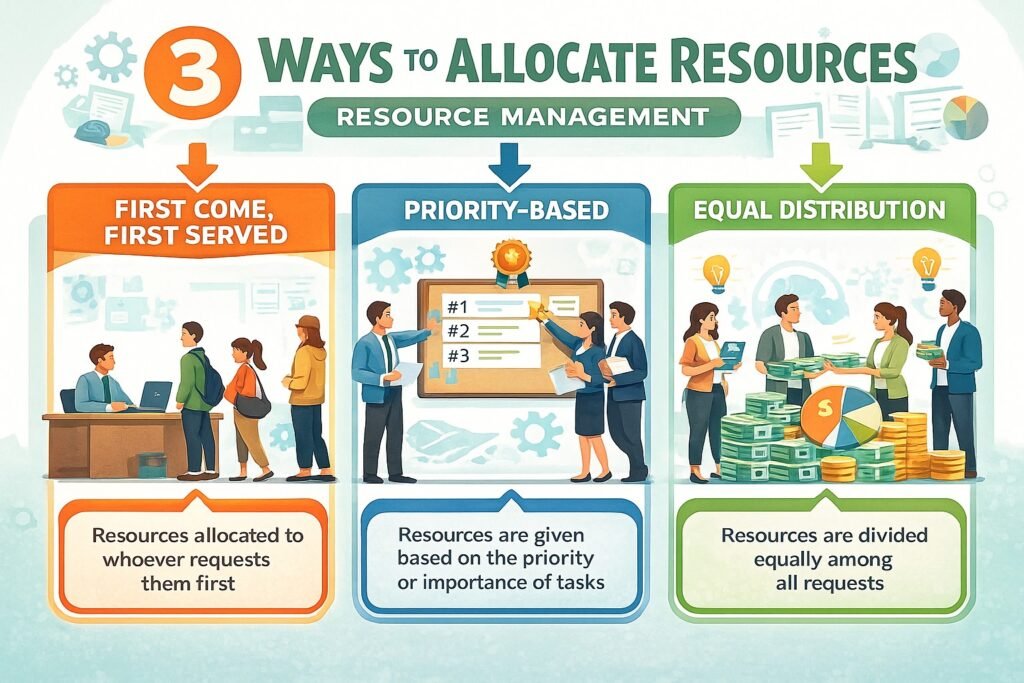
Resource allocation is a critical component of organizational success, especially in large enterprises where resources are often limited. How efficiently an organization allocates its resources can make or break its ability to achieve strategic goals. In this article, we will explore three effective methods for resource allocation that not only enhance productivity but also ensure that resources are deployed where they can create the most impact. By implementing these strategies, organizations can navigate the complexities of resource management, ultimately leading to sustainable growth and success.
Understanding the Importance of Resource Allocation Strategies
Effective resource allocation is essential for maximizing productivity and ensuring that every project receives the attention and support it requires. Organizations often face competing priorities, making it crucial to prioritize where resources are directed. A well-thought-out resource allocation strategy can help organizations avoid the pitfalls of overcommitting to too many projects, which can lead to burnout among employees and subpar results.
Additionally, a strategic approach to resource allocation allows companies to respond swiftly to changes in market conditions or organizational priorities. By regularly assessing resource needs and reallocating them as necessary, organizations can remain agile and competitive. This flexibility is particularly vital in industries like technology and finance, where rapid shifts can impact project viability.
Implementing robust resource allocation strategies can foster a culture of transparency and accountability. When teams understand how and why resources are allocated, they are more likely to align their efforts with organizational goals. This alignment leads to a more motivated workforce, ultimately enhancing overall performance and productivity.
Evaluating Your Current Resource Allocation Practices
Before diving into new resource allocation methods, it’s crucial to evaluate your current practices. Conducting a thorough assessment can reveal inefficiencies and highlight areas for improvement. Start by reviewing existing projects and their resource usage. Are there projects that consume more resources than expected, or are there areas where resources are underutilized? Gathering this data will provide valuable insights into how well your current allocation strategy is functioning.
Engaging with team members is another essential step in evaluating resource allocation. Employees often have firsthand experience with resource constraints or excesses. By soliciting feedback, organizations can gain a clearer picture of how resources are being used on the ground. This inclusive approach not only identifies potential inefficiencies but also empowers employees, making them feel more involved in decision-making processes.
Finally, consider utilizing key performance indicators (KPIs) to gauge the effectiveness of your resource allocation practices. Metrics such as project completion rates, employee satisfaction, and return on investment (ROI) can offer insights into how effectively resources are being utilized. Using this data, organizations can make informed decisions about adjustments needed in their allocation strategies.
Method 1: Prioritizing Projects for Optimal Resource Use
Prioritizing projects is a fundamental method for ensuring optimal resource allocation. It begins by assessing the strategic value of each project relative to the organization’s goals. Projects that align closely with the organization’s mission and objectives should take precedence over those that do not. This alignment ensures that resources are channeled toward initiatives that promise the highest returns.
Another vital aspect of prioritization is evaluating the urgency of projects. Some projects may be critical to meet regulatory deadlines or respond to market shifts, while others may be of lower priority. Utilizing a prioritization framework, such as the Eisenhower Matrix, can help organizations categorize projects based on urgency and importance, allowing for clearer decision-making regarding resource allocation.
Finally, regularly revisiting prioritization as conditions change is essential. Market dynamics, stakeholder needs, and internal capacities can shift rapidly. Organizations should implement a routine review process to assess project priorities and adjust resource allocation accordingly. This ongoing evaluation helps maintain focus on the most impactful initiatives, allowing organizations to remain agile and responsive.
Method 2: Leveraging Technology for Efficient Allocation
In today’s digital age, technology plays a pivotal role in resource allocation. Project management software can help organizations track resource utilization in real time, providing insights into where resources are being allocated and how they can be optimized. Tools like Trello or Asana allow teams to visualize project timelines and resource assignments, facilitating better planning and execution.
Moreover, data analytics can enhance decision-making in resource allocation. By analyzing historical data and predicting future trends, organizations can make more informed decisions about where to allocate resources. For instance, predictive analytics can identify which projects are likely to yield the best outcomes based on past performance, enabling companies to allocate resources effectively and minimize waste.
Automating routine tasks through technology can also free up valuable resources. By employing tools that handle administrative tasks, employees can focus on high-value activities, ultimately leading to better project outcomes. Embracing technology not only improves efficiency but also fosters a more innovative culture within the organization.
Method 3: Emphasizing Team Collaboration and Communication
Effective resource allocation hinges on strong team collaboration and communication. When teams work together and share information, they can better understand the resource landscape and identify potential bottlenecks. Regular meetings and open lines of communication can help teams discuss their resource needs, enabling them to make adjustments in real-time.
Fostering a collaborative culture encourages teams to share their insights and experiences regarding resource utilization. Employees who feel comfortable discussing challenges are more likely to contribute valuable ideas for reallocating resources or optimizing their usage. This collaborative environment can lead to innovative solutions and improved resource management.
Additionally, involving teams in the resource allocation process can enhance buy-in and accountability. When team members have a say in how resources are allocated, they are more likely to take ownership of their projects and ensure that resources are used effectively. This shared responsibility ultimately strengthens the organization’s overall performance.
Measuring the Impact of Resource Allocation Decisions
Once resource allocation strategies are implemented, it is crucial to measure their impact. Regularly assessing the outcomes of resource allocation decisions helps organizations understand their effectiveness and identify areas for improvement. Key performance indicators (KPIs) such as project completion rates, budget adherence, and employee productivity can provide valuable insights into the effects of resource allocation strategies.
Feedback from team members is another critical component of measuring impact. Engaging employees in discussions about resource allocation can yield qualitative insights that numbers alone may not capture. Employee satisfaction surveys can help gauge the morale of teams who may feel overworked or under-resourced, providing information that can lead to more effective allocation decisions in the future.
Finally, benchmarking against industry standards can help organizations evaluate their resource allocation efficiency. Comparing metrics to competitors or industry norms can provide a clearer picture of where an organization stands. This external perspective can guide future resource allocation strategies and help organizations align their practices with industry best practices.
Common Challenges in Resource Allocation and Solutions
Resource allocation is not without its challenges. One of the most common issues is the misalignment between resource availability and project demands. When projects require more resources than are available, it can lead to delays, budget overruns, and employee burnout. To address this, organizations should maintain a flexible approach to resource allocation, allowing for adjustments as project demands shift.
Another challenge is the lack of visibility into resource utilization. Without a clear understanding of where resources are being spent, organizations may struggle to make informed decisions. Implementing project management tools that provide real-time data can enhance visibility, enabling leaders to see how resources are allocated and identify areas for improvement.
Lastly, resistance to change can hinder effective resource allocation. Employees may be accustomed to certain processes and may resist new methods or tools. To overcome this, organizations should invest in training and communicate the benefits of new resource allocation strategies. Engaging employees in the decision-making process can also alleviate resistance and foster a more positive attitude toward change.
Future Trends in Resource Allocation – 3 Ways To Allocate Resources
As organizations evolve, so too will their resource allocation strategies. One emerging trend is the increasing reliance on artificial intelligence and machine learning to optimize resource allocation. These technologies can analyze vast amounts of data to predict resource needs, enabling organizations to allocate resources more effectively and proactively.
Another trend is the growing emphasis on sustainability in resource allocation. Companies are increasingly recognizing the importance of sustainable practices and are prioritizing projects that align with environmental and social responsibility. This shift not only meets stakeholder expectations but can also enhance brand reputation and customer loyalty.
Finally, the rise of remote work is reshaping resource allocation strategies. Organizations must now consider how to allocate resources effectively across dispersed teams. This may involve investing in digital collaboration tools or rethinking traditional resource management practices to accommodate remote work dynamics. Adapting to these trends will be essential for organizations aiming to maintain a competitive edge in the future.
Resource allocation is a complex yet vital process for organizations seeking to enhance productivity and achieve their goals. By prioritizing projects, leveraging technology, and fostering team collaboration, enterprises can develop effective resource allocation strategies that drive success. As companies navigate challenges and adapt to new trends, a strategic approach to resource allocation will remain instrumental in ensuring sustainable growth and performance.
Hashtags: #ResourceAllocation #ProjectManagement #TeamCollaboration #BusinessStrategy #FutureTrends
External Source: For more insights on resource allocation, check out Harvard Business Review’s article on resource management.
Explore Further insights with these recommended blogs
https://pmresourcehub.com/construction-company-business-plan-how-to-write-one/
https://pmresourcehub.com/development-goals-examples-best-practices-for-high-performance/
https://pmresourcehub.com/productivity-calculator-a-comprehensive-guide-for-business-leaders/
https://pmresourcehub.com/nursing-stand-up-meeting-template-a-user-guide/
https://pmresourcehub.com/ai-governance-continuous-improvement-the-evolution-of-ai-governance/
https://pmresourcehub.com/retail-management-system-definition-key-insights-for-businesses/
https://pmresourcehub.com/rasic-how-rasic-enhances-collaboration-and-improves-business-efficiency/
https://pmresourcehub.com/clickup-project-management-how-clickup-enhances-project-delivery/
https://pmresourcehub.com/simple-project-why-keeping-projects-simple-can-bring-success/
https://pmresourcehub.com/word-document-researcher-transforming-corporate-documentation/
https://pmresourcehub.com/rolling-whiteboard-a-strategic-tool-empowering-teams-to-collaborate/
https://pmresourcehub.com/call-template-for-lead-follow-up-strategies-for-success/
https://pmresourcehub.com/actuary-internships-preparing-for-a-successful-career/
https://pmresourcehub.com/application-security-manager-safeguarding-digital-assets/
https://pmresourcehub.com/learning-assistance-centers-transforming-employee-performance/
https://pmresourcehub.com/new-product-development-risks-and-challenges-in-project-management/