
9 Reasons Project Leaders are Successful
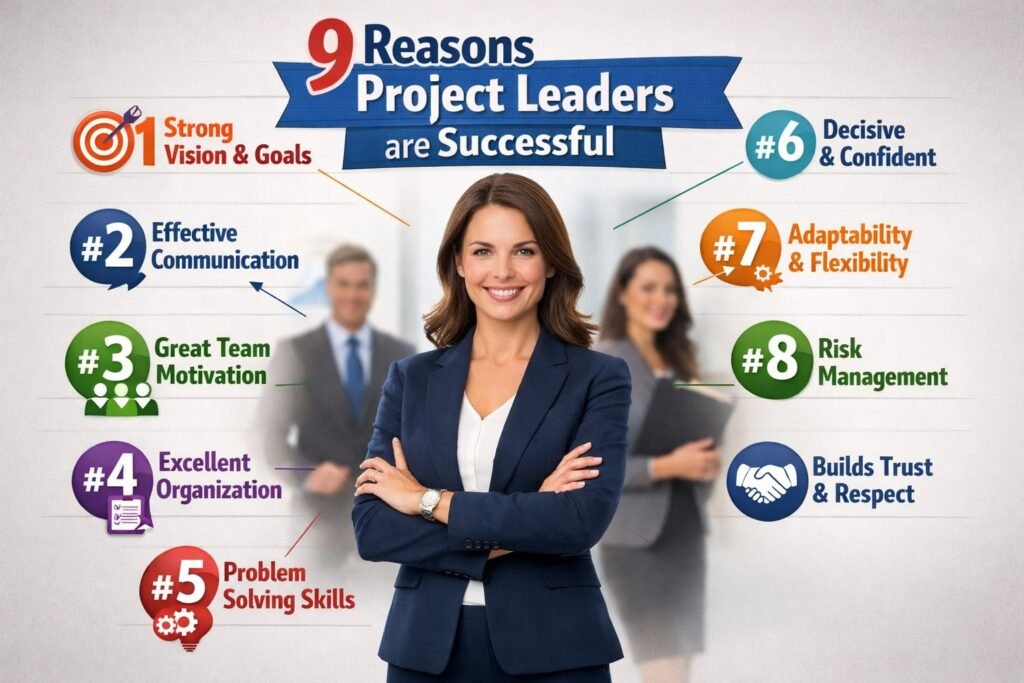
Successful project leaders stand out as key drivers of efficiency and innovation. With increasing complexities in project management, understanding what makes these leaders effective can provide valuable insights for organizations aiming to enhance their leadership strategies. Whether you’re a seasoned manager or an aspiring project leader, exploring the traits that contribute to success can empower you to elevate your practice. Here are 9 Reasons Project Leaders are Successful excel in their roles.
Understanding the Key Traits of Successful Project Leaders
Successful project leaders embody a unique blend of traits that set them apart. Among these traits are decisiveness, empathy, and resilience. Decisiveness allows project leaders to make swift, informed choices even under pressure, which is crucial in guiding projects toward timely completion. Empathy helps them connect with team members, fostering an environment of trust and collaboration. Resilience enables them to navigate challenges and setbacks, maintaining momentum and morale within their teams.
Moreover, successful project leaders are often characterized by their strategic vision. They possess the ability to see the bigger picture, aligning project objectives with organizational goals. This strategic perspective allows them to prioritize tasks and allocate resources effectively, ensuring that each project contributes to the broader mission of the organization. In tandem with this strategic vision is a strong sense of accountability, as effective leaders take responsibility for both successes and failures, inspiring their teams to adopt a similar mindset.
Lastly, effective project leaders are continuously evolving. They actively seek feedback from their teams and stakeholders, using it as a tool for self-improvement. This commitment to personal and professional growth not only enhances their leadership capabilities but also sets a positive example for team members, encouraging a culture of growth and innovation within the organization.
The Importance of Effective Communication Skills
Effective communication is the backbone of successful project leadership. Project leaders must convey complex ideas clearly and persuasively to diverse audiences, ranging from team members to senior executives. They ensure that everyone is on the same page regarding project goals, timelines, and responsibilities. This clarity minimizes misunderstandings and promotes a collaborative atmosphere, where team members feel empowered to share their insights and challenges.
Moreover, successful project leaders understand the significance of active listening. By genuinely hearing their team members’ concerns and suggestions, they create a supportive environment that fosters open dialogue. This two-way communication not only builds trust but also enhances team cohesion, making everyone feel valued and motivated to contribute their best efforts.
In addition to interpersonal communication, effective leaders master the art of presenting. Whether it’s a project kickoff meeting or a status update, they know how to tailor their message for the audience, emphasizing key points and providing relevant data. This ability to engage and inform stakeholders ensures that projects receive the necessary support and resources, ultimately leading to successful outcomes.
How Adaptability Drives Project Leadership Success
In an ever-changing corporate landscape, adaptability is a hallmark of successful project leaders. They recognize that plans can change at a moment’s notice, whether due to shifting market conditions, resource availability, or stakeholder demands. This flexibility allows them to pivot strategies quickly while maintaining focus on project objectives. By staying agile, they can capitalize on new opportunities and mitigate potential risks before they escalate.
Adaptable leaders also encourage a culture of innovation within their teams. By fostering an environment where experimentation is welcomed, they empower team members to think creatively and propose solutions that may not have been considered initially. This collaborative spirit of adaptability can lead to breakthroughs that not only enhance project outcomes but also contribute to the organization’s overall success.
Furthermore, successful project leaders model adaptability through their behavior. They remain calm and composed in times of uncertainty and demonstrate a willingness to embrace change. This attitude inspires confidence among team members, encouraging them to embrace challenges rather than shy away from them. Ultimately, adaptability becomes a shared value within the team, driving collective success in project execution.
Building Strong Relationships with Team Members
Strong relationships are vital for successful project leadership. Effective leaders prioritize building rapport with their team members, understanding that trust is the foundation of collaboration. They engage in team-building activities and informal gatherings, creating a sense of belonging that motivates individuals to contribute their best work. When team members feel valued and respected, they are more likely to invest in the project and support one another.
Furthermore, successful project leaders recognize the unique strengths and weaknesses of each team member. By taking the time to understand individual capabilities, they can assign tasks that align with each person’s skills and interests. This not only enhances productivity but also fosters a culture of mutual respect, where team members feel empowered to take ownership of their contributions.
Additionally, leaders must be approachable and open to feedback. By cultivating an atmosphere where team members can voice their thoughts without fear of judgment, they encourage collaboration and innovation. This openness strengthens relationships, enabling the team to work together effectively toward common goals and navigate challenges with unity.
Setting Clear Goals and Expectations for Projects
Setting clear goals and expectations is a cornerstone of effective project leadership. Successful leaders articulate project objectives in a manner that is both inspirational and practical. They break down larger goals into manageable milestones, ensuring that each team member understands their role in the project’s success. This clarity not only provides direction but also motivates team members to strive for excellence.
Moreover, effective leaders regularly communicate these goals throughout the project lifecycle. By conducting periodic check-ins and status updates, they keep the team aligned and informed of any changes or developments. This consistent communication reinforces accountability, as team members become aware of their responsibilities and the impact of their contributions on the overall project.
Importantly, successful project leaders also set measurable performance indicators. By establishing benchmarks for success, they can objectively assess progress and identify areas for improvement. This data-driven approach promotes transparency and enables teams to make informed adjustments as needed, ensuring that projects stay on track and meet their objectives.
Utilizing Strategic Thinking in Project Management
Strategic thinking is a critical skill for project leaders aiming for success. It involves analyzing complex situations, identifying potential challenges, and developing effective solutions that align with organizational goals. Successful leaders are adept at anticipating future trends and shifts in the marketplace, allowing them to position their projects advantageously. This foresight enables them to make proactive decisions that mitigate risks and capitalize on opportunities.
Additionally, strategic thinkers prioritize stakeholder engagement. They recognize that understanding the needs and concerns of key stakeholders is essential for project success. By actively involving stakeholders in the planning process, project leaders can gain valuable insights that inform their strategies. This collaborative approach fosters buy-in and ensures that projects align with the broader objectives of the organization.
Furthermore, successful project leaders regularly evaluate their strategies and adapt them based on the evolving landscape. They use data analytics and performance metrics to assess the effectiveness of their project plans, making adjustments as necessary. This commitment to continuous improvement not only enhances project outcomes but also contributes to the overall success of the organization.
The Role of Resource Management in Project Success
Effective resource management is pivotal to project success. Successful project leaders understand that resources including time, budget, and personnel are finite and must be allocated strategically. They assess the needs of the project and make informed decisions about how to utilize resources efficiently. By prioritizing tasks and assigning personnel based on skill sets, they optimize resource utilization and drive project efficiency.
Moreover, project leaders must anticipate potential resource constraints and develop contingency plans. By identifying risks early on, they can allocate additional resources or adjust project timelines as needed. This proactive approach ensures that projects remain on track, even in the face of unexpected challenges.
Additionally, successful leaders continuously monitor resource allocation throughout the project lifecycle. They use project management tools to track resource usage and make data-driven adjustments in real time. This vigilance not only helps prevent resource overruns but also enhances the project’s overall quality, ensuring that it meets or exceeds expectations.
Cultivating a Positive and Motivating Work Environment
Creating a positive and motivating work environment is essential for project leadership success. Successful project leaders understand the importance of a healthy team culture; they prioritize employee well-being and job satisfaction. By fostering an atmosphere where team members feel valued and appreciated, they enhance morale and encourage individuals to perform at their best.
Leaders can cultivate this environment through recognition and reward systems. Acknowledging individual and team achievements whether through verbal praise, bonuses, or career advancement opportunities reinforces positive behavior and motivates team members to exceed expectations. When employees feel their contributions are recognized, they are more likely to remain engaged and committed to project goals.
Moreover, successful project leaders promote a culture of collaboration and support. They encourage team members to share ideas, voice concerns, and collaborate on solutions. This inclusive approach not only builds camaraderie but also sparks innovation, as diverse perspectives come together to tackle challenges. Ultimately, a positive work environment enhances team dynamics, leading to successful project outcomes.
In summary, the success of project leaders is rooted in a combination of key traits and skills. From effective communication and adaptability to strategic thinking and resource management, these attributes contribute to their ability to guide teams toward achieving project goals. By fostering strong relationships and creating a positive work environment, successful project leaders inspire their teams to excel. As organizations continue to navigate complexities in the corporate world, understanding and cultivating these qualities will be essential for future leaders seeking success.
Frequently Asked Questions (FAQ)
What defines a successful project leader?
A successful project leader combines strategic thinking, strong communication skills, decisiveness, and emotional intelligence. They effectively align project goals with organizational objectives while motivating teams to deliver high-quality results on time and within budget.
Why is strategic vision important for project leadership?
Strategic vision enables project leaders to see the bigger picture and ensure that each initiative supports long-term business goals. This perspective helps prioritize tasks, allocate resources efficiently, and drive measurable value across the organization.
How does decisiveness impact project success?
Decisiveness allows project leaders to make timely, well-informed decisions, especially under pressure. Quick and confident decision-making minimizes delays, reduces uncertainty, and keeps projects on track despite unexpected challenges.
What role does empathy play in effective project management?
Empathy strengthens team collaboration by fostering trust, open communication, and mutual respect. Leaders who understand their team members’ perspectives can address concerns proactively, boost morale, and create a supportive work environment that enhances productivity.
How do resilient project leaders handle setbacks?
Resilient leaders remain focused and composed when facing obstacles. They adapt to changing circumstances, implement corrective actions, and maintain team motivation, ensuring that setbacks do not derail overall project objectives.
Why is accountability crucial for project leaders?
Accountability builds credibility and trust. Effective project leaders take ownership of both successes and failures, encouraging transparency and responsibility within their teams. This mindset promotes continuous improvement and higher performance standards.
How can aspiring project leaders develop these traits?
Aspiring leaders can strengthen their skills by seeking mentorship, pursuing professional development, requesting regular feedback, and gaining hands-on project management experience. Continuous learning and self-reflection are key to leadership growth.
How does strong communication influence project outcomes?
Clear and consistent communication ensures that expectations, deadlines, and responsibilities are well understood. Effective communication reduces misunderstandings, enhances stakeholder alignment, and improves overall project execution.
Can leadership traits directly impact organizational performance?
Yes. Strong project leadership improves efficiency, innovation, and team engagement. When leaders align projects with strategic objectives and foster collaboration, organizations experience better outcomes, improved profitability, and sustainable growth.
Conclusion – 9 Reasons Project Leaders are Successful
In today’s increasingly complex and competitive corporate landscape, the role of the project leader has evolved far beyond task coordination and deadline management. Successful project leaders are strategic drivers of performance, innovation, and organizational alignment. They serve as the critical link between vision and execution, ensuring that every initiative not only meets operational requirements but also advances broader business objectives. The nine traits explored in this article decisiveness, empathy, resilience, strategic vision, accountability, adaptability, communication excellence, continuous learning, and results orientation collectively define what sets high-performing project leaders apart.
At the core of exceptional project leadership is the ability to make informed decisions with confidence. Decisiveness reduces ambiguity, accelerates progress, and instills trust among stakeholders. In fast-moving environments where delays can translate into financial losses or missed opportunities, the capacity to act swiftly and strategically becomes a distinct competitive advantage. Equally important is empathy. Leaders who understand the perspectives, motivations, and challenges of their teams foster stronger collaboration and higher engagement. This human-centered approach cultivates trust, enhances morale, and ultimately drives superior project outcomes.
Resilience further distinguishes successful project leaders. Projects rarely unfold exactly as planned. Market shifts, resource constraints, and unforeseen risks are inevitable. Resilient leaders maintain composure, recalibrate strategies, and keep teams focused despite setbacks. This stability reinforces confidence and ensures that momentum is not lost when challenges arise. Complementing resilience is strategic vision the ability to see beyond immediate tasks and align project activities with long-term organizational goals. Leaders who think strategically prioritize effectively, allocate resources intelligently, and ensure that projects deliver measurable value rather than isolated outputs.
Accountability is another defining attribute. Effective project leaders take ownership of both successes and shortcomings. This transparency strengthens credibility and encourages a culture of responsibility within teams. When leaders model accountability, they inspire team members to uphold high standards and commit fully to shared objectives. Furthermore, continuous growth and adaptability are essential in an era defined by technological disruption and evolving business models. Leaders who actively seek feedback, embrace innovation, and refine their skills position themselves and their organizations for sustained success.
Strong communication remains the backbone of all these traits. Clear, consistent communication aligns stakeholders, clarifies expectations, and minimizes misunderstandings. It ensures that strategy translates seamlessly into execution and that teams remain unified in purpose.
Ultimately, successful project leaders do more than deliver projects on time and within budget they create environments where excellence thrives. They drive efficiency, foster innovation, and strengthen organizational resilience. By cultivating these core leadership traits, both seasoned managers and aspiring professionals can elevate their impact, enhance team performance, and contribute meaningfully to long-term business growth. In a fast-paced corporate environment, effective project leadership is not merely an operational necessity it is a strategic imperative that determines whether organizations simply compete or truly excel.
Tags: Project management, leadership, team dynamics, resource management, strategic thinking, communication skills, adaptability, goal setting, employee engagement, work environment
Hashtags: #ProjectLeadership #TeamDynamics #ResourceManagement #StrategicThinking #EmployeeEngagement
Call to Action: For further insights into effective project management, visit Project Management Institute to explore resources, certifications, and training programs that can enhance your leadership journey.
Discover More great insights at http://www.pmresourcehub.com
Explore Free Project Management Templates https://pmresourcehub.com/library/