
9 Strategies for Managing Government Projects
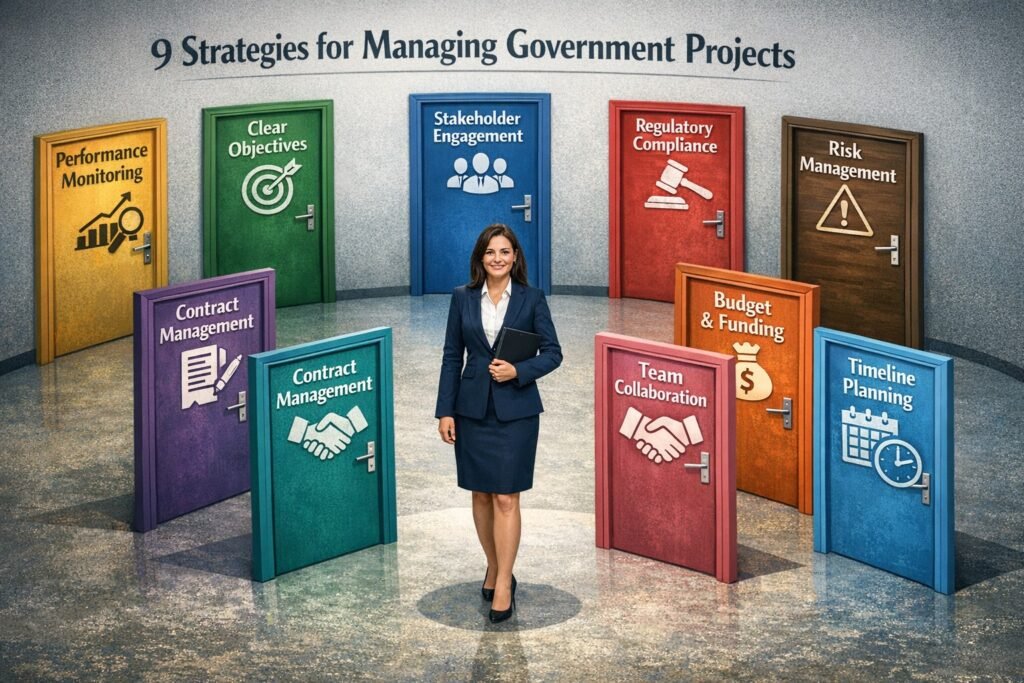
Government projects are often intricate, involving numerous stakeholders, regulatory requirements, and public scrutiny. Effectively managing these projects can be challenging, but with the right strategies, organizations can ensure their initiatives meet objectives and yield positive outcomes. This article explores nine key strategies for managing government projects, providing actionable insights and practical tips to enhance project success.
Understanding the Unique Challenges of Government Projects
Government projects are distinct due to their complexity and the layers of oversight they must navigate. Unlike private sector projects, they often involve public funds, which means transparency and accountability are paramount. This requires project managers to adhere to strict regulations and compliance standards, which can sometimes slow down progress. Understanding these challenges is the first step to effective management.
Moreover, government projects typically have a longer timeline, influenced by bureaucratic processes and stakeholder involvement. Changes in political leadership or public policy can also alter project dynamics unexpectedly. These uncertainties necessitate flexible strategies that can adapt to shifting conditions while maintaining alignment with overarching government goals.
Finally, the diverse range of stakeholders involved from government employees to citizens adds another layer of complexity. Each stakeholder may have different expectations and priorities, making communication and collaboration critical to success. A thorough understanding of these unique challenges lays the groundwork for implementing effective strategies in government project management.
Essential Strategies for Effective Project Planning
Effective project planning is crucial for the success of government initiatives, and it begins with comprehensive research and feasibility studies. Before launching a project, it’s essential to assess the landscape, including potential challenges, resource availability, and timelines. This groundwork helps teams create a realistic roadmap that anticipates obstacles and outlines contingencies.
Next, establishing a clear project scope is vital. This involves defining specific objectives, deliverables, and timelines. A well-defined scope prevents scope creep and ensures that all stakeholders are aligned on what constitutes project success. Regularly revisiting and refining the project scope allows teams to adapt as conditions change, maintaining focus on the end goal.
Finally, incorporating stakeholder feedback during the planning phase can enhance project buy-in and support. Engaging stakeholders early in the process helps identify potential concerns and align expectations. For instance, conducting workshops or surveys can provide valuable insights that inform project design, ensuring it meets the needs and priorities of all involved.
Building a Collaborative Team for Successful Outcomes
A collaborative team is pivotal for the success of government projects. Building a diverse team with complementary skills and perspectives fosters innovation and enhances problem-solving capabilities. When assembling a project team, consider the various expertise required from finance to legal, and technical know-how. This diversity not only enriches the project but also ensures that all aspects are thoroughly evaluated.
Encouraging open communication within the team is equally critical. Creating an environment where team members feel comfortable sharing ideas and concerns can lead to improved collaboration and more effective decision-making. Regular check-ins, team-building activities, and transparent communication channels help maintain morale and strengthen relationships among team members.
Lastly, promoting a culture of accountability ensures that each member understands their role and responsibilities. Setting clear expectations and holding individuals accountable for their deliverables fosters a sense of ownership and commitment. Celebrating achievements, both big and small, reinforces this culture and motivates the team to continue striving for success.
Utilizing Technology to Streamline Project Management
Technology plays an essential role in modern project management, especially in the context of government projects. Utilizing project management software can significantly enhance planning, tracking, and communication. Tools like Microsoft Project, Asana, or Trello provide a centralized platform for managing tasks, timelines, and resources, making it easier for teams to collaborate effectively.
Another beneficial aspect of technology is data analytics. Leveraging data can provide insights into project performance, helping teams make informed decisions. For instance, analyzing past project outcomes can identify trends and patterns, allowing for more accurate forecasting and resource allocation in future initiatives. This data-driven approach enhances the ability to adjust strategies in real-time, improving overall project management efficacy.
Finally, embracing digital communication tools can facilitate stakeholder engagement. Platforms like Slack or Microsoft Teams enable real-time communication and collaboration, allowing for quicker feedback and decision-making. By integrating technology into project management processes, government organizations can enhance efficiency, transparency, and ultimately, project success.
Setting Clear Goals and Metrics for Progress Tracking
Setting clear, measurable goals is vital for tracking progress in government projects. Establishing specific, measurable, achievable, relevant, and time-bound (SMART) objectives allows teams to evaluate their performance effectively. This structured approach ensures that all team members are aligned and focused on common goals, providing a clear framework for success.
In addition to defining goals, developing key performance indicators (KPIs) helps monitor progress over time. These metrics can range from budget adherence to project milestones achieved. Regularly reviewing KPIs allows managers to identify potential issues early and make necessary adjustments to stay on track. For example, if a project is falling behind schedule, analyzing the KPIs can help identify the root cause and facilitate timely corrective action.
Furthermore, utilizing visualization tools such as dashboards can enhance stakeholders’ understanding of project progress. These tools can present data in an easily digestible format, highlighting key metrics and trends. By keeping everyone informed of progress and obstacles, project managers can foster transparency and maintain stakeholder engagement throughout the project lifecycle.
Risk Management: Preparing for the Unexpected
Risk management is a critical component of government project management. Identifying potential risks at the outset allows teams to develop strategies for mitigation. This proactive approach can prevent minor issues from escalating into major problems that jeopardize project success. Regular risk assessments throughout the project lifecycle ensure that emerging threats are promptly addressed.
Having a detailed risk management plan is essential. This plan should outline specific risks, their potential impact, and the strategies to mitigate them. For example, if a project relies on a particular vendor, assessing the risk of vendor reliability and having backup options can safeguard against delays. Empowering team members to contribute to risk identification and mitigation enhances collective vigilance and responsiveness.
Finally, fostering a culture of adaptability within the project team is crucial. Projects can often take unexpected turns, and being able to pivot quickly can mean the difference between success and failure. Encouraging flexibility and creative problem-solving among team members enhances resilience and allows the project to navigate challenges effectively.
Engaging Stakeholders Throughout the Project Lifecycle
Stakeholder engagement is a continuous process that can significantly influence the success of government projects. Identifying all relevant stakeholders from the outset such as government officials, community members, and advocacy groups ensures that diverse perspectives are considered. Understanding their priorities and concerns builds trust and fosters collaboration throughout the project.
Regular communication with stakeholders is essential to keep them informed and engaged. This can involve periodic updates, public forums, or surveys to gather feedback. By actively involving stakeholders in the decision-making process, project managers can address concerns proactively and enhance the project’s legitimacy in the eyes of the public.
Additionally, being transparent about challenges and setbacks fosters a sense of shared ownership among stakeholders. When stakeholders feel included and informed, they are more likely to support the project and contribute positively to its success. This collaborative approach not only strengthens relationships but also leads to more informed and successful outcomes.
Evaluating and Adjusting Strategies for Continuous Improvement
Continuous improvement is a hallmark of effective project management. After project completion, conducting a thorough evaluation is essential to assess what worked well and what didn’t. Gathering feedback from team members and stakeholders can provide valuable insights into the project’s strengths and weaknesses, informing future initiatives.
Utilizing lessons learned sessions can facilitate this reflection. These sessions provide a platform for team members to discuss their experiences, share insights, and suggest improvements. Documenting these lessons creates a knowledge base that can be referenced for future projects, enhancing the organization’s overall project management capabilities.
Finally, being open to adjusting strategies based on evaluation findings is crucial. This flexibility demonstrates a commitment to continuous improvement and innovation. By regularly refining methods and approaches, organizations can better navigate the complexities of government projects and achieve sustained success.
Frequently Asked Questions (FAQ)
Why are government projects more complex than private sector initiatives?
Government projects operate within a multi-layered governance structure that includes statutory compliance, procurement law, public accountability, and independent audit oversight. Because they are funded by taxpayers, transparency and defensibility are mandatory. Projects must withstand scrutiny from oversight committees, regulators, media, and the public, significantly increasing governance rigor and documentation requirements compared to private-sector initiatives.
What makes regulatory compliance so critical in public sector programs?
Compliance is foundational because government initiatives must align with legal mandates, budget appropriations, and public policy directives. Procurement regulations, financial audit standards, data protection legislation, and accessibility requirements create non-negotiable constraints. Weak compliance controls can result in legal exposure, funding suspension, reputational damage, or formal investigations.
Stakeholder and Governance Management
How should stakeholder engagement be structured in government projects?
Stakeholder engagement should be formalized through governance boards, steering committees, and defined communication protocols. Effective practices include stakeholder mapping, transparent reporting dashboards, scheduled review cycles, and structured escalation pathways. Clear role definitions reduce ambiguity and improve cross-agency coordination.
How do political changes affect ongoing projects?
Changes in political leadership or public policy can redefine strategic priorities, funding availability, or regulatory expectations. Projects must therefore be anchored to long-term public value and statutory mandates rather than short-term political agendas. Robust business cases and benefits realization frameworks help preserve continuity during transitions.
Delivery, Risk, and Performance Control
What delivery approaches work best for long government project timelines?
Phased delivery models, stage-gate approvals, and milestone-based funding controls are highly effective. Incremental delivery allows early value realization, improves oversight confidence, and reduces large-scale failure risk. Continuous performance monitoring ensures alignment with strategic objectives over extended timelines.
How can transparency be maintained without slowing progress?
Transparency should be embedded into operational processes rather than treated as a separate reporting burden. Automated dashboards, standardized documentation templates, and digital audit trails streamline oversight requirements. Proactive disclosure reduces reactive interventions and strengthens stakeholder trust.
What risk management practices are most effective in the public sector?
Government projects benefit from enterprise-level risk management integration. Maintaining dynamic risk registers, conducting independent assurance reviews, performing scenario analysis, and aligning contingency reserves with risk exposure are essential practices. Risk management should be continuous and data-driven.
Public Trust and Strategic Outcomes
How can public trust be strengthened during delivery?
Public trust is reinforced through consistent communication, measurable performance outcomes, and fiscal discipline. Publishing progress updates, conducting public consultations, and demonstrating responsible use of funds increase credibility. Delivering milestones on schedule and within approved budgets is the strongest trust-building mechanism.
What is the most important success factor in managing government projects?
Disciplined governance aligned with strategic public value objectives is the single most important factor. When compliance, stakeholder management, risk oversight, and performance reporting are integrated into daily execution, government projects can navigate complexity while delivering sustainable, measurable outcomes for citizens.
Conclusion
effectively managing government projects requires a strategic approach that encompasses understanding unique challenges, fostering collaboration, leveraging technology, and engaging stakeholders. By implementing these nine strategies, organizations can enhance their project management capabilities, ultimately leading to successful outcomes that positively impact communities. Embracing these best practices ensures that government initiatives meet their objectives and serve the public interest.
Hashtags: #GovernmentProjects #ProjectManagement #StakeholderEngagement #ContinuousImprovement #Collaboration
External Source: For further insights into government project management Explore Why Government Project Management Is Changing by Envisio
Discover More great insights at https://www.pmresourcehub.com
Explore Free Project Management Templates https://pmresourcehub.com/library/