

The Project Lifecycle Phases Explained: Initiation to Closure
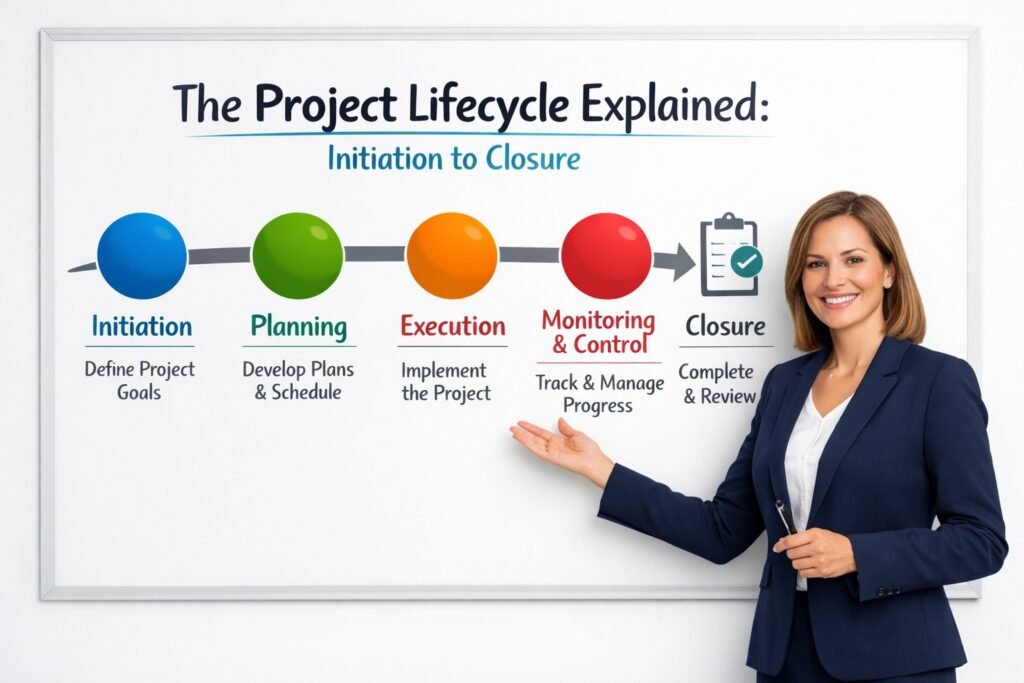
The project lifecycle is a fundamental framework that guides organizations in successfully managing projects from start to finish. By understanding each stage, teams can ensure that they are effectively navigating the complexities inherent in projects, leading to better outcomes and enhanced efficiency. This article will explore the project lifecycle phases in detail, emphasizing the importance of each phase from initiation to closure, and providing practical insights that organizations can leverage for improved project management.
Understanding the Importance of the Project Lifecycle Phases
Every successful project begins with a clear understanding of its lifecycle. The project lifecycle phases serves as a roadmap that outlines the various stages that a project passes through, allowing teams to maintain focus and direction. By clearly delineating each phase, organizations can assign appropriate resources, set timelines, and identify potential risks. The lifecycle not only fosters clarity and organization but also creates an opportunity for teams to learn from each stage, refining their approach for future projects.
Within large organizations, having a structured project lifecycle can significantly enhance communication across departments. Stakeholders from various areas can better understand their roles, responsibilities, and how their contributions fit into the larger picture. This is especially crucial in complex projects that require coordination among multiple teams and disciplines. By following a defined lifecycle, the risk of miscommunication diminishes, leading to a more cohesive team effort and ultimately, a more successful project.
Additionally, the project lifecycle phases allows for effective resource management. By recognizing the specific needs at each stage, organizations can allocate budgets, personnel, and tools in a timely manner. This optimized approach leads to increased efficiency and can result in cost savings, which are essential in today’s competitive landscape. Ultimately, understanding the project lifecycle not only improves project outcomes but also cultivates a culture of continuous improvement within the organization.
Key Elements of Project Initiation You’ll Want to Master
The initiation phase is critical as it sets the tone for the entire project. During this stage, project goals are defined, stakeholders are identified, and the overall feasibility is assessed. Gathering input from key stakeholders ensures that everyone’s expectations are aligned, which can prevent misunderstandings later on. It is essential to create a project charter that outlines the scope, objectives, and deliverables, providing a clear foundation for the work ahead.
Another key element of project initiation is conducting a feasibility study. This assessment will help determine whether the project is viable within the given constraints, such as budget, resources, and timelines. A thorough feasibility study will also highlight potential risks and challenges, allowing teams to plan for contingencies. When organizations take the time to carefully assess these factors, they increase the likelihood of project success.
Effective communication is a cornerstone of successful project initiation. Establishing a communication plan ensures that all stakeholders are informed and engaged from the very beginning. This might include setting up regular meetings, creating project newsletters, or utilizing collaboration tools. When everyone is on the same page, the groundwork is laid for a smoother project journey, fostering a sense of ownership and accountability among team members.
Planning: Laying the Foundation for Project Success
Once the project is initiated, the planning phase takes center stage. In this phase, teams outline the specific steps needed to achieve project goals, ensuring that every detail is considered. This includes creating a detailed project plan that outlines tasks, schedules, and resources. A well-structured project plan serves as a blueprint, guiding the team through the execution phase and helping to keep everyone accountable for their responsibilities.
Risk management is another crucial aspect of the planning phase. Identifying potential risks and developing mitigation strategies can save organizations time and money down the line. Utilizing risk assessment tools allows teams to categorize risks based on their likelihood and impact, enabling them to prioritize which risks need immediate attention. By proactively addressing these concerns, organizations can enhance their preparedness and responsiveness, leading to a more resilient project.
Moreover, engaging stakeholders during the planning phase is essential for buy-in and support. Involving those affected by the project in the planning process fosters a sense of collaboration and ownership. This can lead to valuable insights that may not have been considered otherwise. When stakeholders feel included, they are more likely to be invested in the project’s success, making them powerful allies in overcoming challenges that may arise later on.
Execution Phase: Turning Plans into Actionable Steps
With the planning phase complete, it’s time to move into execution. This is where the project plan is brought to life, and team members begin working on their assigned tasks. Effective project execution requires strong leadership and clear communication to keep everyone focused and motivated. Project managers play a vital role in this phase, ensuring that the team adheres to the plan and addressing any issues as they arise.
Monitoring progress is an integral part of the execution phase. Regular check-ins, status updates, and performance reviews help keep the project on track. Utilizing project management software can streamline this process, allowing teams to visualize progress through dashboards and reports. When everyone is aware of how their contributions affect the overall project timeline, it fosters accountability and encourages a collaborative atmosphere.
Additionally, adapting to change is essential during the execution phase. Projects rarely go exactly as planned, and unforeseen obstacles may arise. Project managers must be flexible and ready to adjust the plan as necessary while keeping stakeholders informed of any changes. This agility allows organizations to pivot effectively, ensuring that the project remains aligned with its goals and objectives despite any challenges.
Monitoring and Controlling: Keeping Projects on Track
The monitoring and controlling phase is where project managers track progress, assess performance, and make necessary adjustments. This is not merely a one-time check-in but an ongoing process throughout the project lifecycle phases. Key performance indicators (KPIs) and other metrics are utilized to gauge how well the project is meeting its objectives. Regularly assessing these metrics helps identify areas for improvement and keeps the project aligned with its goals.
Change management is also a vital component of this phase. As projects evolve, changes in scope, timelines, or budgets may be necessary. Establishing a formal change management process allows teams to assess the impact of changes systematically and ensures that all stakeholders are informed and involved in decision-making. This can prevent confusion and resentment among team members, fostering a more harmonious working environment.
Moreover, transparent reporting is essential in the monitoring and controlling phase. Providing stakeholders with regular updates ensures that they remain engaged and informed. Using visual tools, such as Gantt charts or dashboards, can help convey complex information clearly. When stakeholders have visibility into the project’s progress, it builds trust and confidence in the team’s ability to deliver successful outcomes.
The Transition to Closure: Preparing for Project Completion
As a project nears its completion, transitioning to the closure phase requires careful planning and consideration. This phase involves finalizing deliverables, ensuring that all project objectives have been met, and preparing for a successful handover. A key element of this transition is conducting a thorough review to ensure that all aspects of the project are complete and satisfactory.
Documentation is an essential component during this transition. Compiling all project-related documents, including project charters, plans, reports, and correspondence, is crucial for future reference. This documentation will serve as a valuable resource for lessons learned and can guide future projects, fostering a culture of continuous improvement within the organization.
Stakeholder engagement does not cease once the project is nearing completion. Communicating with stakeholders about the project’s status, outcomes, and any remaining responsibilities is vital. This engagement not only ensures that stakeholders are satisfied with the results but also helps to solidify relationships for future collaborations. A smooth transition to closure sets the stage for successful project completion and lays the groundwork for ongoing partnerships.
Best Practices for Successful Project Closure and Review
To ensure a successful project closure, organizations should adopt best practices that foster reflection and evaluation. Conducting a post-mortem meeting with the project team allows everyone to share their insights, successes, and challenges. This collaborative discussion can yield valuable lessons that inform future projects, helping organizations refine their processes and strategies.
Another best practice is to celebrate achievements. Acknowledging the hard work and dedication of the project team fosters a sense of accomplishment and motivation for future endeavors. Whether through a formal recognition ceremony or informal team gathering, celebrating success strengthens team bonds and reinforces a culture of collaboration and appreciation.
Finally, it is crucial to implement a feedback loop. After project completion, solicit input from stakeholders about their experiences and satisfaction with the project’s outcomes. This feedback can provide invaluable insights into what worked well and what could be improved in future projects. By creating a culture that values feedback, organizations can continually learn and adapt, enhancing their project management capabilities over time.
Real-World Examples of Project Lifecycle Application
To illustrate the project lifecycle in action, consider the construction of a new office building. In the initiation phase, stakeholders define the project scope, budget, and timeline, ensuring that everyone has aligned expectations. During the planning phase, architects, engineers, and project managers collaborate to create detailed plans, including risk assessments and resource allocations.
As the execution phase unfolds, construction teams actively engage in building the office space, adhering to the project plan while responding to any challenges that arise. Throughout this process, the project manager closely monitors progress and adjusts timelines and resources as necessary, ensuring that construction stays on track.
Finally, upon completion of the office building, the closure phase involves final inspections, documentation of lessons learned, and a formal handover to the client. By following the project lifecycle, the organization successfully navigates each stage, from initiation to closure, ultimately delivering a high-quality office space that meets the client’s needs.
Conclusion – Project Lifecycle Phases
Understanding the project lifecycle is essential for organizations seeking to enhance their project management practices. By mastering each phase from initiation through to closure teams can cultivate a culture of collaboration, accountability, and continuous improvement. This structured approach not only improves project outcomes but also positions organizations for long-term success in an ever-evolving business landscape.
Hashtags: #ProjectManagement #Lifecycle #Teamwork #Success #ContinuousImprovement
External Source: For more insights on the Project Lifecycle, visit the APM
Discover More great Project Management resources at: