Project Management Interview Questions How to Ace Your Next Big Role
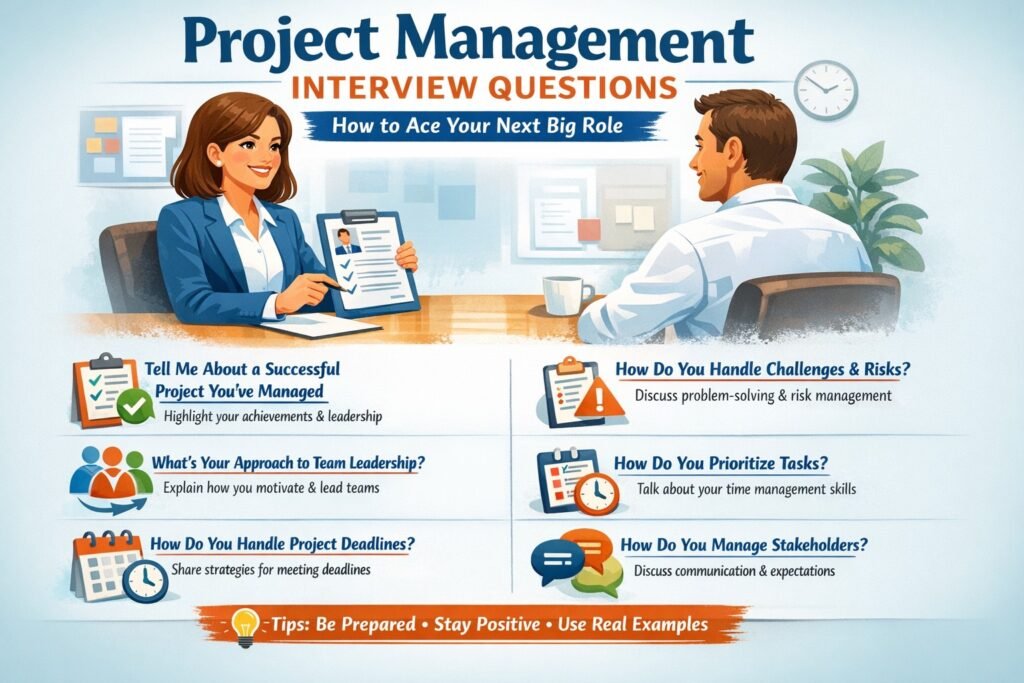
Project management is a dynamic and fast-paced discipline that requires professionals to adapt quickly to change while effectively leading diverse teams. If you’re preparing for Project Management Interview Questions, understanding what employers are really evaluating can significantly improve your performance. This guide explores the key competencies, common questions, and proven strategies you need to present your experience with confidence and stand out in a competitive hiring environment.
Understanding the Importance of Project Management Interviews
Project management interviews are crucial gateways to securing a role that can shape your career trajectory. Unlike traditional job interviews, these discussions often delve deeper into your ability to handle complex projects, lead teams, and meet organizational goals. The stakes are high, as project managers are entrusted with considerable responsibilities, such as budgeting, scheduling, and stakeholder management. Thus, your performance during the interview can either set you apart from other candidates or leave you in the shadows.
The interview process not only assesses your technical skills but also evaluates your interpersonal abilities, critical thinking, and problem-solving capabilities. Employers are looking for candidates who can demonstrate a strategic mindset and offer innovative solutions to challenges. In a corporate setting, the right project manager can lead teams to success, ensuring projects are delivered on time and within budget. This is why landing that interview is just as important as acing it.
Understanding the nuances of project management roles can also give you an edge. Each organization has its unique requirements and project methodologies, whether Agile, Waterfall, or hybrid approaches. Familiarizing yourself with the specific methodologies embraced by the company can help you tailor your responses to align with their needs and culture, setting you on the path to success during the interview.
15 Project Management Interview Questions and Answers
1. What is project management?
Project management is the structured application of processes, tools, and leadership to deliver defined outcomes within scope, time, and budget constraints while aligning with business objectives.
2. How do you define project success?
Success is measured by delivering agreed scope on time and within budget, achieving business value, and ensuring stakeholder satisfaction and adoption of outcomes.
3. How do you handle scope creep?
I implement formal change control, assess impact on time and cost, and ensure stakeholder approval before incorporating any changes to maintain project integrity.
4. What project management methodologies have you used?
I have experience with Agile, Waterfall, and hybrid models, selecting the approach based on project complexity, stakeholder needs, and delivery requirements.
5. How do you prioritise tasks in a project?
I prioritise based on business value, risk, dependencies, and deadlines, often using frameworks such as MoSCoW or value-based prioritisation.
6. How do you manage stakeholders?
I identify stakeholders early, map their influence and interest, and maintain regular, tailored communication to ensure alignment and engagement.
7. Describe how you manage project risks.
I proactively identify risks, assess likelihood and impact, define mitigation strategies, and continuously monitor through a structured risk register.
8. How do you handle tight deadlines?
I focus on critical deliverables, optimise resource allocation, remove blockers quickly, and maintain clear communication to ensure alignment under pressure.
9. What tools do you use for project management?
I use tools such as Microsoft Project, Jira, Asana, or Trello depending on project needs, along with reporting dashboards for visibility and tracking.
10. How do you ensure effective team communication?
I establish clear communication channels, set regular updates, and promote transparency to ensure all team members are aligned and informed.
11. How do you deal with underperforming team members?
I address issues early through one-to-one discussions, identify root causes, provide support or training, and set clear expectations for improvement.
12. How do you manage project budgets?
I create detailed cost estimates, track actuals against forecasts, and manage variances through regular financial reviews and corrective actions.
13. Can you describe a challenging project you managed?
I led a cross-functional initiative with tight deadlines and conflicting priorities, resolved stakeholder misalignment, and delivered on time through structured governance and communication.
14. How do you handle conflict within a team?
I address conflict directly, facilitate open discussion, focus on shared goals, and ensure resolution is aligned with project objectives.
15. Why should we hire you as a project manager?
I bring a balance of strategic thinking, delivery discipline, and stakeholder management, ensuring projects are executed efficiently while delivering measurable business value.
Key Skills Interviewers Look for in Project Management Interview Questions
When preparing for a project management interview, it’s essential to recognize the key skills that interviewers prioritize. Chief among these are communication skills, which enable project managers to convey ideas clearly, facilitate discussions, and ensure everyone is on the same page. Effective communication is crucial for stakeholder management and team collaboration, making it one of the first skills you should highlight in your interview.
Another critical skill is leadership. Interviewers want to know if you can inspire and motivate a diverse team, particularly in challenging circumstances. This involves not just directing tasks but also fostering an inclusive environment where team members feel valued and empowered to contribute their best work. Demonstrating your leadership experience through specific examples can significantly enhance your appeal to potential employers.
Lastly, problem-solving and analytical skills are indispensable in project management roles. Projects often encounter unforeseen challenges, and your ability to analyze situations critically and devise effective solutions can be the deciding factor between project success and failure. Be prepared to share stories that illustrate your capacity to think on your feet and implement strategic solutions in high-pressure situations.
Common Project Management Interview Questions Explained
Entering a project management interview without familiarity with common questions can be a daunting experience. Some typical questions include, “Can you describe your project management methodology?” and “How do you handle project risks?” These questions provide insight into your approach and rationale. During your response, be sure to clarify the methodologies you favor while tying them to real-world applications.
Another frequent question is, “Tell me about a time when a project didn’t go as planned.” This is a vital opportunity to demonstrate your resilience and adaptability. Use the STAR (Situation, Task, Action, Result) method to structure your response, focusing on how you addressed unexpected challenges and what you learned from the experience. This not only shows your problem-solving abilities but also your capacity for growth and reflection.
Lastly, you may encounter questions about team dynamics, such as, “How do you resolve conflicts within your team?” Your answer should reflect an understanding of team dynamics and conflict resolution strategies. Emphasizing your ability to facilitate discussions and mediate conflicts can position you as a collaborative and effective leader, traits highly sought after in project management roles.
How to Prepare Your Project Management Success Stories
Crafting compelling success stories is essential for any project management interview. Start by identifying key projects from your past work experiences that showcase your skills and achievements. Choose stories that highlight your leadership, problem-solving abilities, and results-oriented mindset. For instance, you could discuss a project where you improved efficiency or delivered significant cost savings.
When preparing these stories, utilize the STAR technique for consistency and clarity. Outline the Situation you faced, the Task at hand, the Actions you implemented, and the Results you achieved. This structured approach not only helps you stay focused but also ensures that you convey your contributions effectively. Additionally, quantifying your results can add weight to your stories, making them more impactful.
Finally, practice articulating these stories aloud. Familiarize yourself with key phrases and terminology that reflect your understanding of project management principles. This will help you sound confident and knowledgeable during the interview, ultimately making a strong impression on your interviewers.
Strategies for Demonstrating Leadership in Project Management Interview Questions
Leadership is a cornerstone of successful project management, and conveying this trait during your interview is vital. One effective strategy is to prepare anecdotes that illustrate your leadership style. Highlight instances where you have led teams through challenges, inspired collaboration, or facilitated individual growth. This not only proves your capability but also showcases your adaptability and emotional intelligence.
Another approach is to discuss your leadership philosophy. Explain how you empower team members, encourage open communication, and foster a culture of accountability. This can reassure interviewers that you value team dynamics and understand the importance of aligning individual goals with organizational objectives. Share your vision of leadership as a partnership where the team’s success is the ultimate goal.
Furthermore, consider showcasing your familiarity with different leadership styles, such as transformational, transactional, or servant leadership. Discuss how you have adapted your style based on the needs of your team and the specific circumstances of each project. This flexibility highlights your ability to lead effectively in various environments, making you a versatile candidate for any organization.
Tips for Answering Behavioral Interview Questions Effectively
Behavioral interview questions can sometimes catch candidates off guard, but with the right preparation, you can navigate them successfully. These questions often start with phrases like “Give me an example of a time when…” and require you to reflect on past experiences. Preparing specific examples in advance can help you respond confidently and clearly.
Using the STAR technique is particularly effective when answering behavioral questions. Clearly articulate the Situation, outline the Task you faced, detail the Actions you took, and conclude with the Results of your efforts. This structured approach helps maintain clarity and keeps your answers focused on your contributions and achievements.
Additionally, practice answering behavioral questions with a friend or mentor. This can provide valuable feedback on your delivery and the content of your responses. The more comfortable you become with articulating your experiences, the more confident and poised you will be during the actual interview.
The Role of Certifications in Project Management Interview Questions
Certifications can significantly enhance your credibility as a project manager and may come up during your interview. Relevant certifications such as PMP (Project Management Professional), PMI-ACP (Agile Certified Practitioner), or PRINCE2 (Projects in Controlled Environments) demonstrate a commitment to the profession and a level of expertise that can set you apart from other candidates.
Discussing your certifications during the interview can open doors for discussions about your knowledge of best practices and methodologies. Be prepared to explain how these certifications have equipped you with tools and techniques that you can apply to real-world projects. Highlight any specific instances where you’ve leveraged your certification knowledge to solve problems or guide teams.
Moreover, staying current with evolving project management trends is essential. Continuous learning through professional development can show interviewers that you are proactive about improving your skills and staying relevant in the field. Whether it’s attending workshops, webinars, or obtaining new certifications, showcasing your commitment to lifelong learning can positively impact your interview performance.
Post-Interview Follow-Up: What You Should Do Next
After the interview, your job isn’t quite done; a thoughtful follow-up can reinforce your interest in the role and leave a lasting impression. Start by sending a thank-you email to everyone you interacted with during the interview. Express your appreciation for their time and reiterate your enthusiasm for the position. Mention specific topics discussed in the interview to personalize your message and remind them of your qualifications.
In addition to the thank-you note, consider connecting with your interviewers on professional networking platforms like LinkedIn. This not only keeps the lines of communication open but also helps you establish a professional relationship. Sharing relevant articles or insights can keep you on their radar and demonstrate your continued interest in the field.
Finally, be patient but persistent. If you haven’t heard back within the timeframe mentioned during the interview, it’s perfectly acceptable to follow up with a polite inquiry about the status of your application. This shows your continued interest in the role and reinforces your professionalism, traits that can set you apart in the competitive field of project management.
Conclusion
Preparing for a Project Management Interview Questions requires thorough understanding and strategic thinking. By focusing on key skills, crafting compelling success stories, and demonstrating your leadership abilities, you can navigate the interview process with confidence. Remember, each interview is not just a chance to showcase your qualifications but also an opportunity to learn and grow in your career.
Hashtags: #ProjectManagement #InterviewTips #CareerGrowth #Leadership #JobSearch
External Source: For more insights on project management skills, visit https://www.wrike.com/project-management-guide/faq/what-are-project-management-skills/
Discover More great insights at: