
Team Centered Planning: An Ultimate Guide
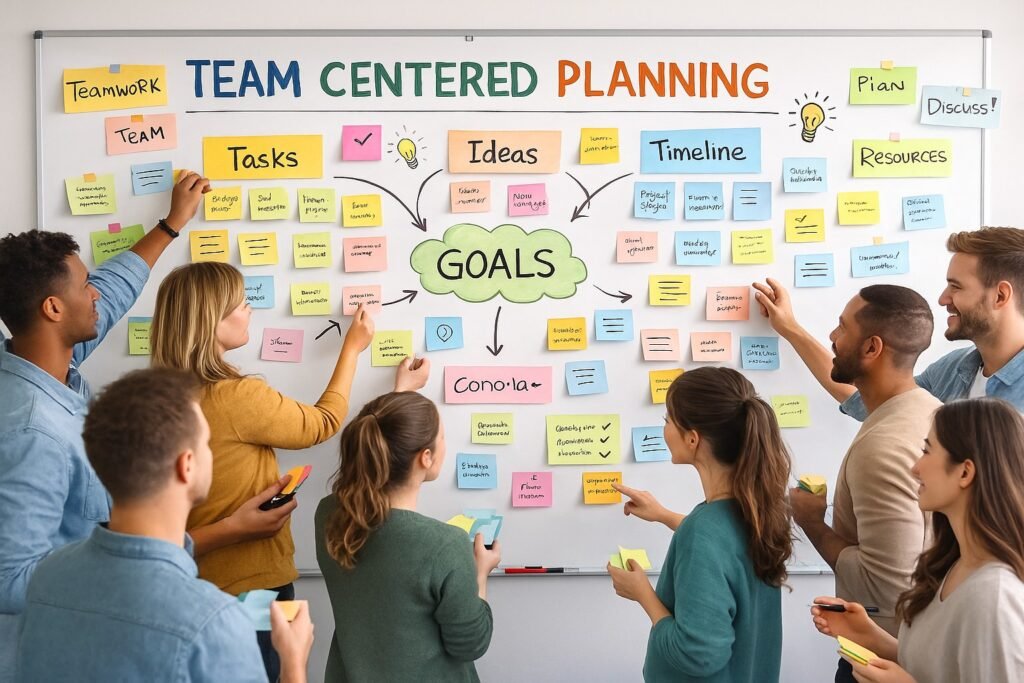
In an ever-evolving business landscape, organizations are increasingly recognizing the importance of collaboration and teamwork in achieving success. Team-centered planning stands out as a strategic approach that prioritizes collective input and shared decision-making. This method not only empowers team members but also enhances creativity and accountability, making it essential for modern enterprises. In this article, we’ll explore the various dimensions of team-centered planning, its benefits, essential components, and practical strategies for implementation, alongside the challenges organizations might face.
Understanding Team Centered Planning in Modern Organizations
Team-centered planning is a collaborative approach that fosters participation from all team members when setting goals, making decisions, and developing strategies. Unlike traditional top-down planning, this method encourages open dialogue and input from various stakeholders. This collaborative environment nurtures creativity and innovation, allowing teams to draw on diverse perspectives and experiences to inform their decisions. As organizations increasingly operate in dynamic and competitive environments, team-centered planning is becoming a critical component of effective management practices.
One of the hallmarks of team-centered planning is its focus on aligning individual strengths with organizational goals. By allowing team members to contribute their unique skills and insights, organizations can develop more comprehensive and effective plans. This alignment not only boosts morale but also enhances the overall productivity of the team, as employees feel valued and invested in the outcomes of their efforts. Moreover, this approach can lead to more robust and resilient plans that can adapt to unforeseen changes in the business landscape.
As organizations continue to embrace remote and hybrid work models, team-centered planning offers a viable framework for maintaining cohesion and collaboration. Tools like digital communication platforms and project management software facilitate this collective planning process, enabling teams to work together seamlessly regardless of their physical location. Ultimately, team-centered planning represents a shift toward a more inclusive and adaptive organizational culture, where collaboration and shared ownership of outcomes are prioritized.
Key Benefits of Adopting Team Centered Planning Approaches
The adoption of team-centered planning offers a myriad of benefits for organizations striving to enhance their performance and adaptability. One of the most significant advantages is the increased engagement and motivation among team members. When individuals feel that their voices matter, they are more likely to commit to the team’s goals and work diligently to achieve them. This heightened sense of ownership can reduce turnover rates and foster a positive organizational culture, which is crucial in today’s competitive job market.
Another key benefit is improved decision-making. With diverse perspectives brought to the table, team-centered planning encourages a thorough analysis of options and potential outcomes. This collaborative approach minimizes biases and blind spots, allowing organizations to make more informed and strategic decisions. Furthermore, teams can quickly pivot when circumstances change, as they are continuously aligning their strategies with real-time feedback and insights from all members.
Lastly, team-centered planning enhances innovation within organizations. By creating an environment where ideas can be freely shared and explored, teams can brainstorm and experiment with new solutions that may not have been considered in a traditional planning model. This focus on collective creativity can lead to breakthroughs that drive competitive advantage and long-term success.
Essential Components of Effective Team Centered Planning
To implement team-centered planning effectively, organizations need to establish several key components that support collaboration and transparency. First and foremost, clear communication is essential. This includes not only the sharing of information but also encouraging open dialogue among team members. Regular meetings, feedback sessions, and collaborative tools can facilitate this communication, helping to ensure that everyone is on the same page regarding goals and expectations.
Another crucial component is defined roles and responsibilities. While the planning process is collaborative, it is still vital that team members understand their specific contributions to the project. By delineating roles, organizations can ensure that tasks are completed efficiently and that everyone knows what is expected of them. This clarity also helps to minimize confusion and potential conflicts, allowing for smoother collaboration.
Finally, a culture of trust and respect is foundational for successful team-centered planning. Team members must feel comfortable sharing their ideas and opinions without fear of judgment. This requires leaders to model trust-building behaviors and create an inclusive environment where all voices are valued. When teams foster such a culture, they can work together more effectively, leading to richer discussions and better outcomes.
Strategies for Implementing Team Centered Planning Successfully
Implementing team-centered planning involves a series of strategic steps that can help organizations realize its full potential. One effective strategy is to begin with a clear vision that aligns with the organization’s broader goals. Leaders should articulate this vision to the team, providing context for the planning process and ensuring that everyone understands the importance of their contributions. This alignment creates a shared purpose that can motivate team members and enhance collaboration.
Another vital strategy is to leverage technology to facilitate collaboration. Various digital tools, such as project management software and communication platforms, can streamline the planning process and enable asynchronous collaboration. By utilizing these tools, teams can share documents, track progress, and communicate effectively, regardless of their physical locations. Investing in the right technology can greatly enhance the team’s ability to work together cohesively.
Lastly, organizations should prioritize continuous feedback throughout the planning process. Establishing regular check-ins allows teams to assess their progress, address any challenges, and refine their strategies as needed. This iterative approach not only keeps the planning process dynamic but also encourages team members to feel more invested in the outcomes. By fostering a culture of feedback and adaptability, organizations can ensure that their plans remain relevant and effective in a rapidly changing environment.
Overcoming Challenges in Team Centered Planning Initiatives
While the benefits of team-centered planning are substantial, organizations may encounter various challenges during implementation. One common obstacle is resistance to change, particularly in organizations with established hierarchical planning processes. Employees accustomed to top-down directives may struggle to adapt to a more collaborative model. To address this, leaders must clearly communicate the advantages of team-centered planning and provide training to help employees develop the necessary skills.
Another challenge is ensuring equitable participation from all team members. In a collaborative environment, some individuals may dominate discussions while others remain silent. To mitigate this, leaders can implement structured brainstorming sessions, encouraging quieter team members to share their ideas and ensuring that diverse perspectives are considered. Establishing ground rules for discussions can also promote respectful and balanced participation.
Additionally, managing conflicting opinions and personalities can pose a hurdle in team-centered planning. Teams may consist of individuals with differing viewpoints, which can lead to disagreements. To navigate this, organizations should cultivate a culture of respect and compromise. Encouraging team members to practice active listening and empathy can help alleviate tensions and foster a collaborative spirit, ultimately leading to more effective planning outcomes.
Measuring Success in Team Centered Planning Efforts
To evaluate the effectiveness of team-centered planning initiatives, organizations must establish clear metrics for success. One critical measure is team engagement and satisfaction, which can be assessed through regular surveys and feedback sessions. Understanding how team members perceive their involvement in the planning process can provide valuable insights into its effectiveness and highlight areas for improvement.
Another important metric is the quality and feasibility of the plans developed through the team-centered approach. Organizations should assess whether the outcomes align with set goals and whether the plans can be executed successfully. This includes analyzing the timeliness of project completion and the degree to which objectives were met. Tracking these metrics can help organizations determine the overall effectiveness of their planning efforts.
Finally, evaluating the impact of team-centered planning on organizational performance is crucial. This can involve comparing business outcomes before and after the implementation of team-centered approaches. By analyzing key performance indicators such as revenue growth, market share, and customer satisfaction, organizations can gauge the long-term benefits of adopting this collaborative planning model.
Real-Life Examples of Team Centered Planning in Action
Numerous organizations have successfully implemented team-centered planning, showcasing its potential to drive success. One notable example is Google, which has cultivated a culture of collaboration and innovation through initiatives like “20% time.” This approach allows employees to devote a portion of their workweek to projects of their choice, fostering creativity and teamwork. By empowering employees to explore their passions, Google has developed some of its most successful products while reinforcing the importance of collective input.
Another inspiring example is Zappos, known for its unique organizational culture and commitment to exceptional customer service. Zappos employs a team-centered planning approach by encouraging employees at all levels to contribute ideas for improving customer experience. This collaborative model has resulted in innovative strategies that align with the company’s mission and values, helping Zappos maintain its reputation as a leader in the retail industry.
Additionally, the software company Atlassian uses team-centered planning to enhance collaboration among its diverse teams. By implementing cross-functional planning sessions and using tools like Confluence and Jira, Atlassian ensures that all team members can contribute to project planning and execution. This approach not only streamlines workflows but also strengthens relationships across departments, resulting in higher-quality products and improved customer satisfaction.
Future Trends in Team Centered Planning for Enterprises
As the world of work continues to evolve, several trends are emerging in team-centered planning that organizations should be aware of. One significant trend is the increasing reliance on remote collaboration tools. With the rise of hybrid work environments, organizations must invest in technologies that facilitate seamless communication and collaboration among teams. Tools that integrate video conferencing, project management, and real-time collaboration will become essential for enhancing team-centered planning efforts.
Another trend is the growing emphasis on data-driven decision-making within collaborative planning processes. Organizations are beginning to leverage analytics to assess the effectiveness of team contributions and identify areas for improvement. By incorporating data into their planning discussions, teams can make more informed decisions and refine their strategies based on empirical evidence.
Finally, the integration of diverse perspectives will be a key focus in the future of team-centered planning. Organizations are recognizing the importance of including individuals with varied backgrounds, experiences, and skill sets in their planning processes. This shift toward inclusivity not only enhances creativity and innovation but also allows organizations to better address the diverse needs of their customers and stakeholders.
In summary, team-centered planning is reshaping how organizations approach goal-setting and decision-making in today’s fast-paced business environment. By fostering collaboration, enhancing engagement, and leveraging diverse perspectives, organizations can create robust plans that drive success. While challenges may arise during implementation, the benefits of prioritizing collective input far outweigh the hurdles. As we move forward, embracing team-centered planning will be crucial for enterprises aiming to adapt and thrive in an ever-evolving landscape.
Frequently Asked Questions
What is team-centered planning in an enterprise context?
Team-centered planning is a structured approach to decision-making and execution that deliberately incorporates cross-functional input, shared accountability, and collective ownership. In enterprise environments, it replaces siloed planning with coordinated alignment across functions, ensuring that decisions reflect operational realities, strategic priorities, and delivery constraints.
How does team-centered planning differ from traditional top-down planning?
Traditional planning models rely heavily on executive direction with limited operational feedback. Team-centered planning still preserves executive accountability but integrates structured input from those closest to execution. This reduces misalignment, improves feasibility, and increases commitment to outcomes without diluting leadership authority.
Why is team-centered planning becoming more important in large organizations?
Large organizations operate complex systems with interdependent teams, technologies, and regulatory constraints. No single function holds complete visibility. Team-centered planning allows enterprises to surface risks early, resolve conflicts between priorities, and make better-informed decisions in volatile and fast-changing environments.
How does team-centered planning improve accountability rather than slow decisions?
When designed properly, team-centered planning clarifies ownership instead of diffusing it. Roles, decision rights, and escalation paths are explicitly defined. This enables faster resolution of issues, reduces rework, and ensures teams understand not only what decisions were made but why they were made.
What types of decisions benefit most from team-centered planning?
Decisions involving cross-functional impact, resource trade-offs, change initiatives, or customer experience benefit most. This includes strategic initiatives, operating model changes, technology transformations, and major process redesigns where execution success depends on coordinated action across multiple teams.
How does team-centered planning support innovation?
By encouraging diverse perspectives, team-centered planning increases the likelihood that creative solutions are surfaced and tested. Teams feel safer contributing ideas when planning is collaborative rather than directive. This often leads to more resilient and adaptable strategies, especially in uncertain environments.
What governance structures are required to support team-centered planning?
Effective team-centered planning requires clear governance forums, decision thresholds, and escalation mechanisms. Without these, collaboration can become unfocused. Mature organizations define where input is required, who decides, and how outcomes are communicated, ensuring collaboration supports execution rather than replacing it.
Can team-centered planning work in highly regulated or risk-averse industries?
Yes. In fact, it is particularly valuable in regulated environments where decisions must balance compliance, risk, and operational feasibility. Team-centered planning enables compliance, legal, operations, and delivery teams to align early, reducing downstream issues and audit exposure.
What are common challenges when implementing team-centered planning?
Common challenges include unclear decision ownership, excessive consultation, and cultural resistance from leaders accustomed to directive models. These issues are typically resolved by clarifying roles, setting boundaries on collaboration, and reinforcing that shared input does not mean shared accountability for final decisions.
How does team-centered planning affect performance measurement?
Performance measurement shifts from purely individual metrics toward outcome-focused indicators that reflect collective success. While individual accountability remains, organizations place greater emphasis on shared objectives, cross-team dependencies, and delivery outcomes aligned with strategic goals.
How can leaders encourage effective participation without losing control?
Leaders set the tone by inviting structured input, listening actively, and making decisions transparently. Control is maintained through clear authority, consistent decision logic, and follow-through. When teams see that their input influences outcomes, engagement and execution discipline improve.
Is team-centered planning a cultural change or a process change?
It is both. Process changes create the structure for collaboration, while cultural change determines how effectively people use it. Successful organizations reinforce team-centered planning through leadership behavior, incentives, and consistent governance practices rather than relying on tools or workshops alone.
Conclusion
Team-centered planning has become a practical necessity for organizations operating at scale. As complexity increases and decision-making spans multiple functions, relying on isolated planning models creates misalignment, execution risk, and avoidable friction. Enterprise success increasingly depends on the ability to bring the right perspectives together while maintaining clear authority and accountability.
When implemented with discipline, team-centered planning strengthens decision quality, improves commitment to outcomes, and reduces the gap between strategy and execution. It enables organizations to surface risks early, balance competing priorities, and align teams around shared objectives without slowing momentum. The result is not consensus-driven paralysis, but coordinated action grounded in operational reality.
Ultimately, organizations that adopt team-centered planning as a core operating principle are better positioned to adapt, innovate, and deliver consistently. By embedding collaboration into governance and execution structures, leaders create environments where teams are empowered to contribute, decisions are better informed, and performance improves across the enterprise.
Hashtags: #TeamPlanning #Collaboration #Innovation #EmployeeEngagement #Leadership
External CTA: For further insights into team-centered planning and its applications, consider exploring Saviom https://www.saviom.com/blog/team-planning/
https://pmresourcehub.com/library/