5 Essential Templates Every Project Manager Should Use
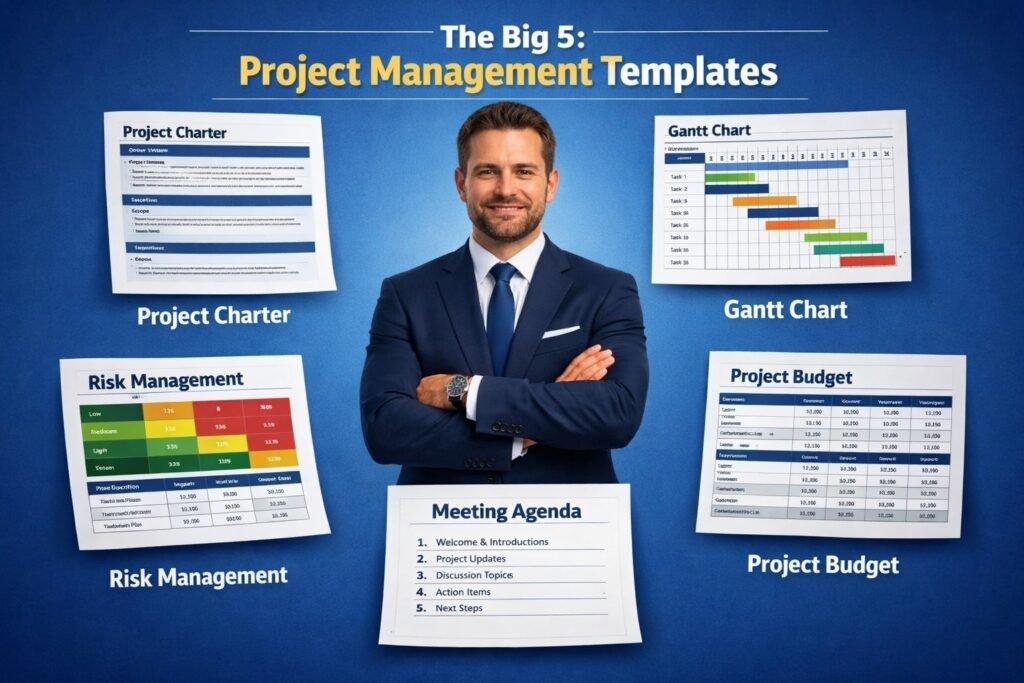
Project management is a cornerstone of organizational success in today’s dynamic business landscape. With the right tools, project managers can streamline processes, enhance communication, and ultimately achieve their goals more effectively. Among these tools, templates play a significant role in ensuring consistency, efficiency, and clarity. This article will delve into the importance of 5 Essential Templates Every Project Manager Should Use. We’ll also explore customization, best practices, and real-world examples to illustrate their value.
Understanding the Importance of Project Management Templates
Project management templates act as a standardized framework that can significantly enhance the efficiency of any project. They allow project managers to focus on critical tasks instead of reinventing the wheel with each new project. By utilizing templates, organizations can maintain consistency across projects, ensuring that all team members are on the same page and reducing the risk of miscommunication. This is particularly vital in larger organizations where multiple teams may be working simultaneously on various projects.
Moreover, templates provide a visual representation of project processes, making it easier for team members to understand their roles and responsibilities. This clarity can lead to better collaboration and can empower employees to take ownership of their tasks. When everyone knows what is expected, it fosters accountability and reduces the chance of oversight, which is crucial for meeting deadlines and achieving project objectives.
Lastly, using templates can save time and resources, allowing project managers to dedicate their energy toward strategic planning rather than focusing on administrative tasks. Templates streamline processes, making it easier to generate reports, track progress, and manage budgets. This efficiency can contribute to overall project success, driving better outcomes for the organization.
The Essential Five Templates for Every Project Manager
-
Project Charter Template
The project charter is a foundational document that outlines the objectives, scope, and key stakeholders of a project. It serves as a roadmap for the entire team, providing essential details such as project goals, timelines, and resource requirements. A well-structured project charter template ensures that all necessary information is captured upfront, minimizing misunderstandings later on. -
Gantt Chart Template
A Gantt chart is a powerful visual tool that outlines project timelines, tasks, and dependencies. This template is invaluable for tracking progress and ensures that team members are aligned on deadlines and deliverables. By utilizing a Gantt chart template, project managers can easily identify bottlenecks and adjust timelines as necessary to keep projects on track. -
Risk Management Template
Every project comes with its own set of risks, and having a risk management template in place is crucial for identifying, assessing, and mitigating potential threats. This template helps project managers proactively address risks, ensuring that they do not derail project progress. An effective risk management template includes sections for risk identification, analysis, response planning, and monitoring. -
Meeting Agenda Template
Effective communication is key to successful project management, and a meeting agenda template can facilitate this process. By outlining discussion points and objectives, the template ensures that meetings are focused and productive. It encourages participation and accountability, as team members come prepared to discuss specific topics and updates. -
Project Budget Template
Managing project finances is critical for staying within budget and maximizing resources. A project budget template allows project managers to track expenses, allocate resources, and forecast future costs. By using this template, managers can make informed financial decisions, helping to prevent overruns and ensuring the project’s financial health.
How to Choose the Right Template for Your Needs
Selecting the appropriate template can significantly affect the success of your project management efforts. Start by evaluating the complexity and scale of your project. For large-scale projects, you may need more comprehensive templates that address a variety of aspects, such as resource allocation and stakeholder management. On the other hand, smaller projects may benefit from streamlined templates that focus on essential elements.
Next, consider the specific requirements of your team. Engage with team members to understand their preferences and pain points. For instance, if your team is familiar with certain software tools, choosing templates that are compatible with those tools can enhance efficiency. Collaboration in the selection process fosters a sense of ownership and increases the likelihood that team members will utilize the templates effectively.
Lastly, it is essential to assess the template’s usability. A well-designed template should be intuitive, allowing team members to navigate easily and input information without confusion. Ensure that the templates you choose are not only functional but also visually appealing, as this can contribute to user engagement.
Customizing Templates to Fit Your Unique Projects
While templates provide a valuable starting point, customization is often necessary to tailor them to your project’s specific needs. Begin by identifying the unique factors that differentiate your project from others, such as industry standards, company policies, or specific stakeholder requirements. By making these adjustments, you can create a more relevant and effective template.
Another important aspect of customization is branding. Incorporating your organization’s branding elements into templates, such as logos and color schemes, can enhance visual appeal and make documents feel more cohesive. This attention to detail not only makes templates more aesthetically pleasing but can also promote a sense of unity among project team members.
Finally, it is essential to gather feedback from your team on customized templates. Encourage team members to suggest improvements or modifications based on their experiences using the templates. This iterative process can lead to more functional and user-friendly templates that better serve your team’s needs.
Best Practices for Implementing Project Management Templates
Once you have selected and customized your templates, it is crucial to implement them effectively. Start by providing thorough training for your team on how to use the templates. This may include workshops, instructional videos, or one-on-one sessions. The goal is to ensure that every team member understands not only how to use the templates but also the value they bring to the project management process.
Additionally, establish guidelines for when and how to use each template. Clearly outline responsibilities for using specific templates to avoid confusion among team members. For instance, designate who will fill out the project charter or update the Gantt chart. This clarity helps to streamline communication and ensures that everyone knows their roles within the project.
Finally, encourage a culture of accountability by regularly reviewing the templates’ usage. Monitor how often team members utilize them and gather feedback on their effectiveness. This ongoing evaluation can help identify potential improvements and ensure that templates remain relevant and valuable as your projects evolve.
Reviewing and Updating Your Templates Regularly
Templates are not static; they should evolve alongside your projects and organization. Regularly reviewing and updating templates will ensure they remain relevant and effective. Schedule periodic assessments of all templates, involving key stakeholders and team members in the process. Their insights can provide valuable perspectives on what works and what needs adjustment.
During the review process, consider changes in project management best practices, technologies, and organizational goals. As your team adopts new tools or methodologies, templates should reflect these shifts. This adaptability can increase efficiency and keep your project management processes aligned with industry standards.
Lastly, communicate any updates to your team promptly. Ensure that everyone is aware of changes and understands how to implement them. This communication is vital for maintaining consistency and for fostering a culture of continuous improvement within the organization.
Real-World Examples of Successful Template Usage
Many organizations have successfully implemented project management templates to enhance their overall effectiveness. For example, a leading multinational corporation in the technology sector adopted a unified project charter template across all departments. This standardized approach helped streamline communication between teams, resulting in a 30% reduction in project kickoff times and improved alignment on project objectives.
Another notable example comes from a large construction company that utilized a Gantt chart template to manage multiple ongoing projects. By centralizing updates within this visual tool, project managers were able to identify and address scheduling conflicts swiftly, leading to a 20% increase in on-time project delivery rates.
Similarly, a healthcare organization adopted a risk management template that allowed teams to proactively identify and mitigate potential challenges in patient care projects. This proactive approach led to a significant decrease in project-related incidents, enhancing both patient outcomes and team morale.
Building a robust toolkit of project management templates can profoundly enhance your ability to manage projects effectively. By understanding the importance of these templates and selecting the right ones for your needs, you can foster collaboration, streamline processes, and ultimately achieve project success. Remember to customize, implement best practices, and regularly review your templates to ensure they remain relevant and effective. With these strategies in place, you will be well-equipped to navigate the complexities of project management in any large organization.
FAQ Section
What are project management templates and why are they important?
Project management templates are standardized documents used to plan, execute, monitor, and control projects. In organizational environments, they are important because they create consistency, reduce rework, and provide a shared structure that teams can follow. Templates help organizations scale delivery by ensuring projects are managed using repeatable, reliable practices rather than individual preferences.
How do templates improve efficiency in large organizations?
Templates eliminate the need to start from scratch for every project. They accelerate onboarding, reduce administrative effort, and enable faster decision making by presenting information in familiar formats. In large organizations, this consistency improves cross-team collaboration and reduces confusion when projects move between departments or governance layers.
Are project management templates only useful for complex projects?
No. Templates add value to both simple and complex initiatives. For smaller projects, they provide clarity and structure without unnecessary overhead. For complex or high-risk projects, templates ensure that critical elements such as scope, risks, budgets, and timelines are formally documented and reviewed.
Can project management templates be customized?
Yes. Templates are most effective when they are tailored to organizational standards, industry requirements, and project complexity. Customization allows teams to add or remove sections, align language with internal terminology, and integrate governance or compliance requirements while preserving a consistent core structure.
How do templates support governance and oversight?
Templates create transparency by standardizing how information is captured and reported. Executives and stakeholders can quickly assess project health, risks, and progress because data is presented in predictable formats. This supports portfolio management, audit readiness, and informed decision making at leadership level.
What is the risk of not using templates?
Without templates, projects often rely on informal documentation, inconsistent reporting, and individual working styles. This increases the likelihood of misalignment, missed risks, unclear accountability, and budget overruns. Over time, the lack of standardization makes it difficult to compare projects or scale delivery practices.
Should templates be mandatory across all projects?
Many organizations adopt a tiered approach. Core templates are mandatory for all projects, while additional templates are applied based on size, risk, or strategic importance. This balances governance with flexibility and avoids unnecessary bureaucracy for low-impact initiatives.
How often should project management templates be reviewed?
Templates should be reviewed periodically, typically annually or after major delivery cycles. Feedback from project teams, audits, and post-project reviews should inform updates. Continuous improvement ensures templates remain relevant, practical, and aligned with evolving organizational needs.
Do templates replace project management tools or software?
No. Templates complement tools and software. They provide the structure and content that tools capture, track, and report. Whether using spreadsheets, enterprise project management platforms, or collaborative tools, templates ensure consistent inputs and outputs across systems.
Who should own and maintain project management templates?
Ownership typically sits with a Project Management Office (PMO), enterprise delivery function, or governance team. Central ownership ensures templates remain aligned with organizational strategy, compliance requirements, and best practices while still incorporating feedback from delivery teams.
Conclusion – 5 Essential Templates Every Project Manager Should Use
Project management templates are not administrative paperwork or optional conveniences. They are strategic enablers that help organizations translate intent into execution with consistency, clarity, and control. In fast moving and complex business environments, the ability to deliver projects predictably depends as much on structure as it does on individual capability. Templates provide that structure, ensuring every project starts with a shared understanding and progresses with discipline.
For organizations managing multiple initiatives simultaneously, templates reduce variability without stifling flexibility. They create a common language across teams, functions, and stakeholders, making collaboration more effective and decision making faster. When objectives, risks, timelines, and budgets are documented in consistent formats, leaders can assess project health quickly and intervene before issues escalate.
The five essential templates discussed in this blog form the backbone of effective project delivery. Together, they support alignment at the outset, visibility throughout execution, and accountability through to completion. When thoughtfully customized and consistently applied, these templates help teams focus less on process confusion and more on delivering outcomes that matter to the organization.
Ultimately, the value of project management templates lies in how they are used. Organizations that treat templates as living tools, refine them based on real project experience, and embed them into everyday delivery practices gain a measurable advantage. They deliver projects with greater confidence, reduce avoidable risk, and build a culture where success is repeatable rather than accidental.
Hashtags: #ProjectManagement #Templates #Efficiency #Collaboration #ProjectSuccess
External Source: For additional insights on project management best practices, visit Project Management Institute at https://www.pmi.org/insights
Discover More great insights at www.pmresourcehub.com
Explore Free Project Management Templates https://pmresourcehub.com/library/
Discover These Project Manager Blogs:
https://pmresourcehub.com/sap-implementation-a-strategic-guide-to-achieve-success/
https://pmresourcehub.com/contract-management-system-oil-and-gas-how-to-maximize-efficiency/
https://pmresourcehub.com/working-to-live-vs-living-to-work-understanding-work-life-balance/
https://pmresourcehub.com/how-to-set-activities-small-business-proven-strategies-for-success/
https://pmresourcehub.com/business-transition-plan-how-to-navigate-change-effectively/
https://pmresourcehub.com/how-would-you-describe-an-intelligent-workplace-a-detailed-guide/
https://pmresourcehub.com/integrated-planning-best-practice/
https://pmresourcehub.com/team-centered-planning-an-ultimate-guide/
https://pmresourcehub.com/matrix-vs-metrics-a-comprehensive-guide-to-understand-the-differences/
https://pmresourcehub.com/freelance-productivity-tools-to-optimize-your-workflow/
https://pmresourcehub.com/high-quality-portfolio-oversight-key-elements-for-success/
https://pmresourcehub.com/go-live-date-best-practices-for-ensuring-a-successful-project-launch/
https://pmresourcehub.com/business-pillars-the-backbone-of-sustainable-corporate-success/
https://pmresourcehub.com/how-do-i-make-a-pareto-chart-in-excel-a-practical-guide-for-excel-users/
https://pmresourcehub.com/acronym-of-development-key-methodologies-for-business/
https://pmresourcehub.com/cpg-indirect-managed-services-maximizing-efficiency-and-reducing-costs/
https://pmresourcehub.com/what-does-rfi-stand-for-in-construction-practical-guidance-for-teams/