The Project Manager’s Guide to Environmental Impact Assessments (EIA)
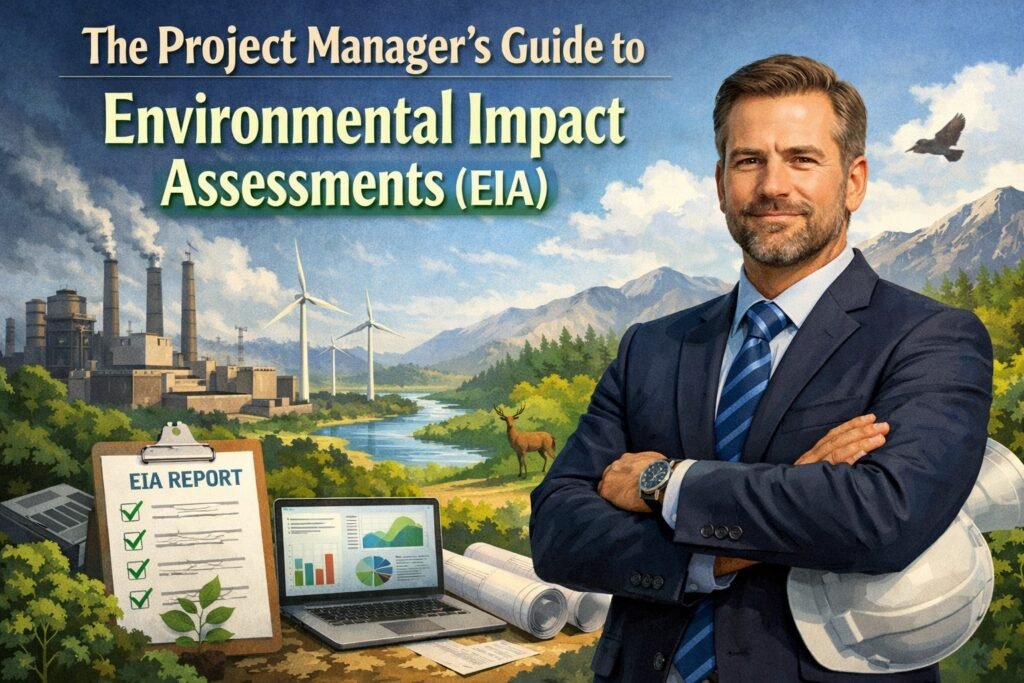
In today’s dynamic landscape, understanding the environmental implications of projects is no longer optional it’s a necessity. Environmental Impact Assessments (EIAs) provide project managers with a structured approach to evaluating potential environmental consequences, ensuring that projects are sustainable and compliant with regulations. As stakeholder expectations rise and regulatory landscapes grow more complex, project managers must be equipped with the knowledge and skills to navigate EIAs effectively. This guide serves as a comprehensive roadmap for project managers, shedding light on the importance of EIAs, key steps to conduct them effectively, and best practices for stakeholder engagement.
Understanding the Importance of Environmental Impact Assessments
Environmental Impact Assessments are critical tools for ensuring that projects align with sustainable practices and legal requirements. By systematically evaluating the potential environmental effects of a proposed project, EIAs serve as a safeguard against unforeseen ecological harm. They can help identify key issues such as biodiversity loss, air and water pollution, and climate change implications, allowing for informed decision-making before project initiation. In today’s corporate climate, where sustainability is increasingly prioritized, EIAs have become indispensable for fostering corporate responsibility and public trust.
Moreover, EIAs facilitate transparency and accountability. They provide stakeholders including regulators, community members, and investors with insights into how a project may affect the environment. A thorough assessment can enhance a company’s reputation, as it reflects a commitment to responsible practices. Furthermore, obtaining necessary permits often hinges on the completion of an EIA, making it an essential step in any project lifecycle.
Finally, integrating EIAs into project management can yield long-term cost savings. Identifying potential environmental risks early allows project managers to mitigate these issues proactively. This not only avoids costly alterations down the line but also reduces the likelihood of project delays resulting from regulatory hurdles or community backlash. Thus, understanding and implementing EIAs is crucial for project success in a landscape increasingly focused on sustainability.
Key Steps in Conducting Effective EIAs for Projects
Conducting an effective Environmental Impact Assessment involves several critical steps. First, project managers must clearly define the scope of the EIA, which includes identifying the project’s objectives, potential environmental impacts, and the geographic area affected. This step is essential for establishing a solid foundation for the assessment, ensuring that all relevant environmental factors are considered.
Once the scope is defined, data collection follows. This involves gathering quantitative and qualitative information about the existing environmental conditions, including flora, fauna, water quality, and air quality. Project managers must engage experts, such as environmental scientists and ecological consultants, to gather accurate data. Collecting comprehensive baseline data allows for a more informed comparison with projected impacts, making the EIA process more robust.
The next step involves impact prediction and evaluation, where potential impacts are analyzed in detail. Project managers should use established methodologies to estimate the magnitude and significance of these impacts. Consulting with stakeholders during this phase is also crucial, as they can provide valuable insights into local environmental concerns. After evaluating these potential impacts, project managers can then propose mitigation measures, ensuring that the project aligns with sustainability goals and legal requirements.
Roles and Responsibilities of a Project Manager in EIA
The role of a project manager in the Environmental Impact Assessment process is multifaceted and crucial for ensuring that projects comply with environmental standards. First and foremost, project managers are responsible for leading the EIA process, coordinating with various stakeholders, including environmental consultants, engineers, and regulatory agencies. They must ensure that timelines are met and that the assessment adheres to legal and organizational standards.
Additionally, project managers are tasked with communicating effectively with stakeholders throughout the EIA process. This includes not only disseminating information but also actively seeking input from the community and regulatory bodies. By fostering open communication, project managers can address concerns and build trust, which is essential for the project’s acceptance and success.
Finally, project managers must ensure that the findings and recommendations from the EIA are properly integrated into the project planning and execution phases. This includes making necessary adjustments to project designs or approaches based on identified environmental impacts and proposed mitigation strategies. By taking ownership of this process, project managers play a critical role in promoting sustainable practices and ensuring that projects meet both business objectives and environmental responsibilities.
Best Practices for Engaging Stakeholders in EIAs
Engaging stakeholders effectively is key to a successful Environmental Impact Assessment. A best practice is to involve stakeholders early in the EIA process. This allows project managers to gather diverse perspectives and insights upfront, ensuring that all concerns are considered. Early engagement also fosters goodwill and can lead to more constructive dialogue throughout the project lifecycle.
Another important practice is to provide clear, accessible information about the EIA process and potential environmental impacts. Many stakeholders may not have a technical background, so using plain language and visual aids can help demystify complex information. Organizing public meetings, workshops, and one-on-one consultations can further facilitate understanding and engagement.
Finally, project managers should establish mechanisms for ongoing feedback and communication throughout the EIA process. By creating channels for stakeholders to voice their concerns or ask questions, project managers can enhance transparency and trust. Additionally, summarizing stakeholder input and demonstrating how it has influenced project decisions can reinforce the value of their contributions and encourage continued participation.
Common Challenges in Environmental Impact Assessments
Despite their importance, Environmental Impact Assessments often face several challenges. One common issue is data availability and quality. In many cases, relevant environmental data may be incomplete or outdated, hindering the assessment’s accuracy. Project managers must work diligently to gather reliable data, often requiring extensive research or consultations with local experts.
Another challenge is the complexity of regulatory frameworks. Navigating the myriad of local, state, and federal regulations can be daunting, particularly in regions with stringent environmental laws. Project managers must stay informed about applicable regulations and engage with legal experts to ensure compliance, which can be time-consuming and resource-intensive.
Stakeholder engagement can also pose difficulties, especially in contentious projects. Conflicting interests among stakeholders may lead to misunderstandings or opposition, complicating the EIA process. Project managers must employ effective conflict resolution strategies, ensuring that all voices are heard and considered. Addressing stakeholder concerns early can mitigate resistance and foster collaboration, ultimately leading to more successful project outcomes.
Tools and Techniques for Efficient EIA Management
To navigate the complexities of Environmental Impact Assessments effectively, project managers can leverage various tools and techniques. Geographic Information Systems (GIS) are invaluable for visualizing and analyzing spatial data related to environmental impacts. By mapping out potential effects, project managers can better understand the geographic implications of their projects and make more informed decisions.
Additionally, software solutions designed for environmental assessments can streamline the EIA process. These tools allow project managers to automate data collection, impact analysis, and reporting, significantly reducing the time and effort required. Many platforms also offer templates and workflows tailored to EIA requirements, enhancing efficiency and consistency in documentation.
Lastly, engaging in scenario analysis can help project managers anticipate potential environmental impacts under various conditions. By modeling different project scenarios, managers can evaluate the effectiveness of proposed mitigation measures, aiding in decision-making. This proactive approach not only enhances the EIA process but also strengthens the overall project management framework.
Evaluating EIA Outcomes: Metrics and Success Factors
Evaluating the outcomes of Environmental Impact Assessments is crucial for determining their effectiveness and long-term success. One important metric is the degree of compliance with regulatory requirements. Monitoring whether the project meets the stipulated environmental standards can provide valuable insights into the EIA’s success.
Another key factor is stakeholder satisfaction. Surveys and feedback mechanisms can help gauge community perceptions post-project implementation. High levels of stakeholder satisfaction often indicate that concerns were adequately addressed during the EIA process, contributing to project acceptance and success.
Finally, assessing the actual environmental impacts compared to those predicted in the EIA is essential. By monitoring changes in key environmental indicators such as air and water quality, biodiversity, and community health project managers can evaluate the EIA’s effectiveness and make necessary adjustments for future projects. This continuous feedback loop not only enhances the EIA process but also fosters a culture of learning and improvement within project management.
Conclusion – Project Manager’s Guide to Environmental Impact Assessments
As environmental consciousness grows, future trends in Environmental Impact Assessments are likely to evolve. One notable trend is the increased integration of technology into the EIA process. Emerging tools such as artificial intelligence and machine learning can enhance data analysis and predictive modeling, allowing for more accurate assessments of potential impacts. These technologies can help project managers identify risks earlier and develop more effective mitigation strategies.
Another trend is a shift toward a more holistic approach to EIAs. Increasingly, assessments are considering social and economic impacts alongside environmental factors. This comprehensive approach acknowledges the interconnectedness of environmental, social, and economic systems, leading to more sustainable project outcomes. Project managers will need to adapt to this broader scope, incorporating diverse perspectives into their assessments.
Finally, stakeholder engagement is likely to evolve with growing emphasis on participatory approaches. New platforms for digital engagement can facilitate real-time communication and feedback from a diverse range of stakeholders. As project managers embrace these innovative methods, they will enhance transparency and collaboration, ultimately leading to more successful and sustainable projects.
In conclusion, Environmental Impact Assessments are an integral part of modern project management, helping organizations navigate the complexities of environmental sustainability. By understanding their importance, following key steps, and engaging stakeholders effectively, project managers can address challenges and leverage tools for successful EIAs. As trends evolve, staying informed about the latest practices will ensure that projects not only meet regulatory standards but also contribute positively to the environment and community. Embracing these principles can lead to not just compliance but a genuine commitment to sustainability in all project endeavors.
Frequently Asked Questions – Project Manager’s Guide to Environmental Impact Assessments
What is the purpose of an Environmental Impact Assessment in project management?
An Environmental Impact Assessment helps organizations identify, evaluate, and manage the potential environmental effects of a project before major decisions are made. From a project management perspective, it supports informed decision making, regulatory compliance, and sustainable delivery while reducing the risk of delays, penalties, or reputational damage.
When should an Environmental Impact Assessment be initiated?
An EIA should begin as early as possible, ideally during concept development or initial feasibility stages. Early integration allows environmental risks and constraints to shape scope, design, timelines, and investment decisions rather than forcing costly changes later in the lifecycle.
Are EIAs only required for large scale or infrastructure projects?
No. While EIAs are commonly associated with large infrastructure, energy, or construction initiatives, many smaller or non traditional projects may also require environmental assessment depending on location, industry, and regulatory thresholds. Digital, healthcare, manufacturing, and logistics projects can all trigger EIA requirements in certain jurisdictions.
What role does the project manager play in the EIA process?
The project manager acts as the coordinator and integrator. Responsibilities typically include aligning the EIA with project objectives, managing timelines and dependencies, coordinating environmental specialists, ensuring stakeholder engagement, and embedding mitigation actions into the delivery plan.
How do EIAs support regulatory compliance?
EIAs document how a project meets environmental laws, standards, and permitting requirements. They provide regulators with evidence that risks have been assessed and mitigated appropriately, which is often a prerequisite for approvals, licenses, or funding release.
What are the key risks of not conducting a proper EIA?
Inadequate or delayed EIAs can lead to regulatory rejection, project suspension, legal challenges, community opposition, and unplanned redesign costs. At an enterprise level, failures can also impact brand reputation, investor confidence, and long term sustainability commitments.
How does an EIA influence project scope and design?
Findings from an EIA may result in design changes, alternative site selection, adjusted construction methods, or additional mitigation measures. While this can initially feel restrictive, it often leads to more resilient, acceptable, and future proof project outcomes.
Who are the typical stakeholders involved in an EIA?
Stakeholders often include environmental regulators, local authorities, community groups, landowners, investors, internal sustainability teams, and subject matter experts. Effective stakeholder engagement is critical to ensuring concerns are addressed early and transparently.
How can project managers balance delivery speed with EIA requirements?
The key is integration rather than separation. When EIAs are treated as part of core project planning rather than a standalone compliance task, timelines become more predictable. Clear governance, early data collection, and parallel workstreams help avoid delays.
Do EIAs add measurable business value beyond compliance?
Yes. Well executed EIAs reduce risk exposure, improve decision quality, support ESG objectives, and strengthen stakeholder trust. Over time, they contribute to lower lifecycle costs, fewer disputes, and greater organizational credibility in sustainability focused markets.
How do EIAs align with corporate ESG strategies?
EIAs provide tangible evidence of environmental stewardship and responsible governance. They support ESG reporting by demonstrating proactive risk management, transparent decision making, and alignment with long term sustainability goals.
What skills should project managers develop to manage EIAs effectively?
Key skills include stakeholder communication, regulatory awareness, risk management, governance coordination, and the ability to translate technical environmental findings into practical delivery actions. Strategic thinking and commercial awareness are equally important at enterprise scale.
Tags: EIA, Environmental Assessment, Project Management, Stakeholder Engagement, Sustainability, Compliance, Data Analysis, Regulatory Framework, Project Success, Corporate Responsibility
Hashtags: #EnvironmentalImpact #ProjectManagement #Sustainability #StakeholderEngagement #CorporateResponsibility
External Source: For further reading on best practices for EIAs, visit the Environmental Protection Agency’s guide at https://www.epa.gov/nepa
Discover More great insights at www.pmresourcehub.com
Explore Free Project Management Templates https://pmresourcehub.com/library/