
Business Pillars: The Backbone of Sustainable Corporate Success
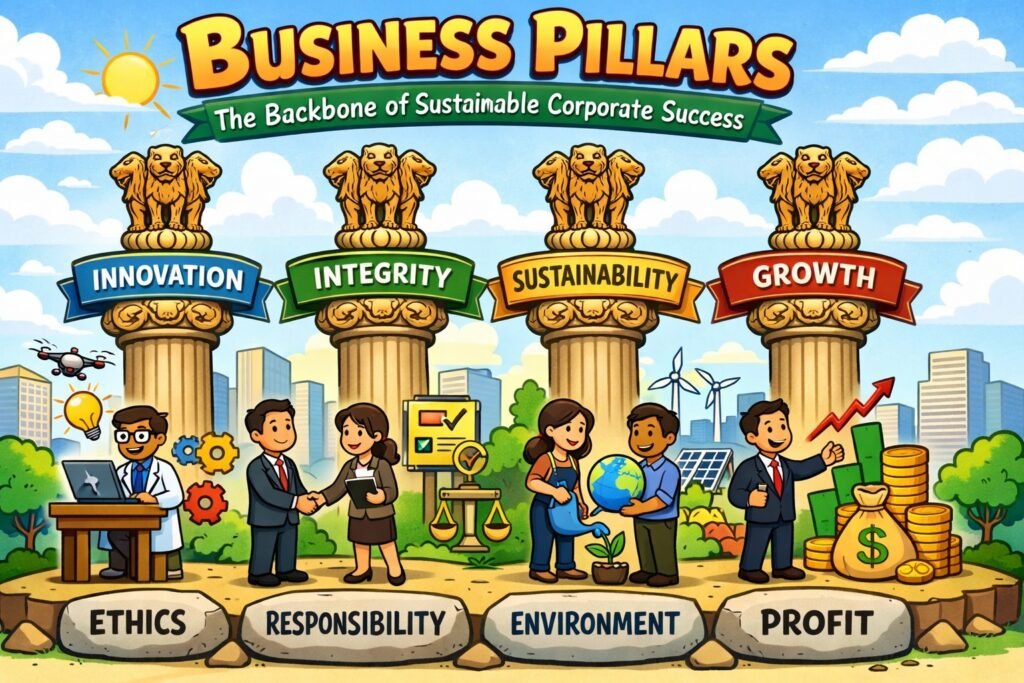
Business pillars serve as the foundational elements that uphold a company’s structure and strategy, much like the pillars of a grand building. In today’s fast-paced, competitive marketplace, understanding and establishing these business pillars is more crucial than ever for organizations looking to thrive. From enhancing operational efficiency to aligning corporate goals, business pillars are integral to fostering a resilient and agile organization. This article explores the significance of business pillars, their essential components, ways to identify them, and strategies to strengthen them to ensure long-term success.
Understanding the Importance of Business Pillars Today
In the contemporary business landscape, organizations face an array of challenges, including rapid technological advancements, shifting consumer behaviors, and increasing competition. Business pillars help create a structured approach to navigate these complexities. By firmly establishing core pillars, companies can create a roadmap for sustainable growth while remaining adaptable to changes in the market. The foundational nature of these pillars means that they not only support the current business model but also provide the flexibility to pivot as needed.
Moreover, strong business pillars foster a unified corporate culture that aligns employee objectives with organizational goals. When employees understand the core values and focus areas of their company, they are more likely to feel engaged and motivated. This alignment can lead to increased productivity and lower turnover rates, as employees can clearly see how their roles contribute to the overall mission. In this sense, business pillars serve as a guiding star, helping everyone within the organization stay on course.
Lastly, strong business pillars can improve stakeholder relationships. Investors, partners, and customers are more likely to engage with businesses that demonstrate a solid foundation and clear strategic direction. By clearly articulating their business pillars, organizations can instill confidence among stakeholders, paving the way for stronger partnerships and investment opportunities. Ultimately, establishing and communicating these pillars becomes a powerful tool for fostering trust and credibility in the marketplace.
The Four Key Business Pillars Every Company Needs
No two companies are identical, but there are four fundamental business pillars that can be adapted to suit various organizational contexts: People, Processes, Technology, and Governance. Each pillar plays a crucial role in shaping the overall performance and sustainability of a business.
-
People: This pillar focuses on the workforce, emphasizing the importance of employee engagement, talent management, and leadership development. A committed and skilled workforce is essential for driving innovation and productivity. Organizations that invest in training, diversity, and employee well-being find that their teams are more motivated and capable of achieving collective goals.
-
Processes: This pillar encompasses the workflows and systems that businesses employ to deliver their products or services efficiently. Streamlined processes reduce waste and enhance operational efficiency, allowing businesses to respond swiftly to changes in demand. By employing methodologies like Lean or Six Sigma, organizations can continuously improve their processes, ensuring they remain competitive.
-
Technology: In an increasingly digital world, the technology pillar cannot be overlooked. Leveraging the right tools and platforms enables businesses to automate tasks, analyze data, and enhance customer interactions. Organizations that strategically invest in technology often find themselves ahead of the curve, better equipped to adapt to market demands and technological advancements.
-
Governance: This pillar revolves around the frameworks and policies that ensure compliance, risk management, and ethical decision-making. Strong governance practices foster transparency and accountability, which are essential for maintaining stakeholder trust. Companies that prioritize governance can mitigate risks and navigate challenges more effectively, ultimately contributing to long-term sustainability.
How to Identify Your Organization’s Core Pillars
Identifying your organization’s core pillars begins with a thorough assessment of the current operational landscape. This process often involves stakeholder interviews, surveys, and workshops to gather insights from various departments. Engaging employees at all levels can illuminate the strengths and weaknesses of the existing structure, helping to clarify what should be prioritized.
Once the data is collected, look for recurring themes and patterns that highlight areas of importance. For instance, if multiple teams express a need for better communication, it may signal that the processes pillar requires attention. Alternatively, if employees are consistently discussing technological hurdles, this may indicate that the technology pillar needs reinforcing. The aim is to distill the information into clear, actionable insights that reflect the organization’s unique circumstances.
Lastly, it is vital to align the identified pillars with the overall vision and mission of the organization. This alignment ensures that the pillars are not only relevant but also serve as a foundation for achieving strategic goals. Regularly revisiting these core pillars ensures that they remain aligned with the shifting landscape of the business environment, providing a roadmap for ongoing growth and adaptability.
Aligning Business Goals with Your Pillars for Success
Aligning business goals with your pillars is crucial for creating a cohesive strategy that drives performance. Begin by mapping your strategic objectives against each pillar to assess how well they align. For instance, if your goal is to enhance customer satisfaction, examine how each business pillar contributes to achieving that goal. This alignment will help prioritize initiatives that have the most significant impact.
Next, establish key performance indicators (KPIs) for each pillar that directly correlate with your business goals. These KPIs should be specific, measurable, achievable, relevant, and time-bound (SMART). For example, if the technology pillar aims to improve user experience, tracking metrics such as system uptime, response rates, and customer feedback can provide valuable insights. This data-driven approach allows organizations to monitor progress and make informed decisions.
Finally, facilitate regular reviews to ensure that the alignment of goals and pillars remains intact. Engaging all stakeholders in these discussions fosters transparency and accountability. During these reviews, be open to feedback, as this iterative process will enable continuous improvement. By maintaining alignment between business goals and pillars, organizations can create a resilient framework that supports growth and adaptation over time.
Strategies to Strengthen Your Business Pillars Effectively
Once you’ve established your business pillars, it’s essential to implement strategies that reinforce them. Start by investing in employee training and development programs. These initiatives not only enhance skills but also promote employee engagement and retention. Empowering your workforce to grow within the organization contributes to a stronger people pillar.
Next, focus on optimizing processes. Regularly review workflows to identify bottlenecks and inefficiencies. Techniques such as process mapping can provide visual clarity on how tasks flow within the organization. Employing methodologies like Agile can enable teams to adapt quickly to changes and improve overall performance. Streamlined processes will lead to higher productivity and employee satisfaction.
Lastly, embrace technology as a means to support your pillars. Invest in tools that align with your strategic goals and improve operational efficiency. Regularly assess your technology landscape to ensure it evolves alongside your business needs. By creating a culture that embraces innovation and technology, you will not only enhance your technology pillar but also position your organization for future success.
Common Pitfalls in Failing to Establish Pillars
Neglecting to establish clear business pillars can lead to a myriad of issues that ultimately hinder organizational performance. One common pitfall is the lack of direction and clarity. Without well-defined pillars, employees may struggle to understand their roles and responsibilities, leading to confusion and inefficiencies. This lack of clarity can result in missed deadlines, unmet goals, and a decrease in overall morale.
Another significant risk is the inability to adapt to change. Organizations without established pillars may find it challenging to pivot in response to market shifts or technological advancements. This rigidity can result in missed opportunities and make it difficult for the company to remain competitive. In contrast, organizations with strong pillars are often better equipped to respond to changes quickly and effectively.
Finally, a failure to establish business pillars can undermine stakeholder trust. Investors and customers are more likely to engage with companies that demonstrate stability and a clear strategic direction. Without these pillars, businesses may struggle to build credibility, which can adversely affect partnerships and market positioning. Establishing solid business pillars is essential for fostering lasting relationships with stakeholders and ensuring long-term success.
Case Studies: Businesses That Excel with Strong Pillars
Examining companies that have successfully implemented strong business pillars provides valuable insights into their effectiveness. One such example is Google, which has built its success on a robust people pillar. Through initiatives like employee empowerment, rigorous hiring processes, and continuous learning opportunities, Google has fostered a culture of innovation and collaboration. This strong people pillar has contributed to the company’s ability to attract top talent and maintain high levels of employee satisfaction.
Another example is Toyota, renowned for its streamlined processes pillar. The company employs the Toyota Production System, which emphasizes continuous improvement and waste reduction. By focusing on efficiency and quality, Toyota has set industry standards for operational excellence. Their successful implementation of this processes pillar has positioned them as one of the most respected automobile manufacturers in the world.
Finally, there’s Microsoft, a leader in leveraging technology. The company has consistently invested in cutting-edge technologies to enhance its products and services. By aligning its technology pillar with customer needs and market demands, Microsoft has successfully transitioned from a traditional software company to a leading cloud-services provider. Their proactive approach to technology has enabled them to stay ahead of competitors and adapt to the rapidly changing business landscape.
Future Trends Impacting Business Pillar Structures
As the business landscape continues to evolve, several trends are likely to impact the structure and focus of business pillars. One such trend is the growing emphasis on sustainability. As consumers become more environmentally conscious, organizations are increasingly recognizing the need to integrate sustainable practices into their core pillars. This shift will require businesses to reevaluate their processes and technology pillars to enhance efficiency and reduce their environmental impact.
Additionally, the rise of remote work is transforming the people pillar. Organizations are now tasked with creating inclusive and engaging virtual workplaces. This change necessitates new strategies for employee engagement, talent acquisition, and collaboration. Companies that adapt to this trend will likely find themselves better positioned for success in the new normal.
Finally, the rapid advancement of technology will continue to play a crucial role in shaping business pillars. Artificial intelligence, machine learning, and automation are becoming integral to various functions. Organizations must be proactive in adopting these technologies to enhance their processes and customer experiences. Embracing these innovations will enable businesses to remain agile, competitive, and prepared for the challenges and opportunities of the future.
Establishing strong business pillars is not just a strategic priority; it is essential for long-term sustainability and success. By understanding the importance of these pillars, identifying core areas, and aligning them with organizational goals, companies can create a robust framework that supports growth and adaptability. As businesses continue to navigate an ever-changing landscape, embracing and strengthening these pillars will be paramount for achieving lasting success.
FAQ Section
What are business pillars in an organization?
Business pillars are the core elements that support a company’s strategy, operations, and culture. They act as foundational frameworks that guide decision-making, align teams, and ensure sustainable growth. These pillars are critical for maintaining organizational stability while enabling adaptability in dynamic markets.
Why are business pillars important for modern enterprises?
In today’s fast-paced business environment, strong pillars provide structure amid technological changes, market shifts, and competitive pressures. They help organizations maintain focus on strategic goals, ensure operational efficiency, and create a resilient, agile culture that can pivot as needed.
How do business pillars enhance operational efficiency?
By defining clear priorities and processes, business pillars streamline workflows, reduce redundancy, and improve accountability. Employees understand their roles relative to the company’s core focus areas, which optimizes resource allocation, reduces errors, and boosts overall productivity.
What are the key components of effective business pillars?
Effective pillars typically include strategy alignment, core values, operational processes, customer focus, innovation frameworks, and talent management. These components work together to ensure that every part of the organization contributes to overarching business objectives.
How can an organization identify its business pillars?
Identifying business pillars requires analyzing strategic priorities, company values, and critical operational functions. Organizations often review their mission, vision, and objectives to determine which areas are fundamental for long-term success. Engaging leadership teams and employees in this process ensures alignment and clarity.
How do business pillars support corporate culture?
Business pillars provide a clear framework for expected behaviors, decision-making, and collaboration. When employees understand these pillars, they are more likely to feel connected to the company’s mission, which fosters engagement, accountability, and a sense of purpose.
Can business pillars improve stakeholder confidence?
Yes. Clearly defined and communicated business pillars demonstrate organizational stability and strategic clarity. Investors, partners, and customers are more likely to trust a company that shows strong foundational structures and consistent direction, which can lead to better relationships and opportunities.
How often should business pillars be evaluated or updated?
Business pillars should be periodically reviewed to ensure they remain aligned with evolving market conditions, technological trends, and organizational growth. Regular evaluation allows companies to maintain relevance, adapt to change, and continue driving value.
What role do business pillars play in long-term business growth?
Pillars provide a foundation for sustainable growth by supporting consistent decision-making, strategic planning, and operational resilience. Organizations with strong pillars can scale effectively, innovate responsibly, and maintain competitive advantage over time.
How can companies strengthen their business pillars?
Organizations can strengthen pillars by clarifying strategic priorities, embedding them into corporate culture, providing employee training, implementing robust processes, and regularly communicating their importance across all levels. Continuous monitoring and leadership commitment are key to ensuring pillars remain effective and actionable.
Conclusion
In today’s rapidly evolving business landscape, strong and well-defined business pillars are more than just theoretical concepts they are the backbone of organizational resilience, agility, and sustainable success. By clearly identifying and implementing these foundational elements, companies can navigate market disruptions, align internal teams, and create a culture that fosters engagement, accountability, and shared purpose. Business pillars serve as guiding principles that connect strategy to execution, ensuring that every decision, process, and initiative reinforces the company’s core objectives.
Moreover, businesses that invest in strengthening their pillars gain a strategic advantage in stakeholder relations. Investors, partners, and customers are more confident in organizations that demonstrate stability, clarity, and consistent alignment with their stated values and goals. Internally, employees benefit from a clear framework that informs priorities, encourages collaboration, and enhances productivity. When teams understand the pillars that underpin their organization, they are better equipped to contribute meaningfully, innovate responsibly, and adapt to change without losing sight of overarching objectives.
However, establishing business pillars is not a one-time exercise. To remain relevant in a competitive and ever-changing market, organizations must continuously evaluate and refine these pillars, ensuring they evolve alongside technological advances, regulatory changes, and shifting customer expectations. Strong leadership commitment, transparent communication, and integration into corporate culture are critical to embedding these pillars effectively.
Ultimately, business pillars are the scaffolding that supports long-term growth, operational excellence, and strategic clarity. Organizations that prioritize their development and alignment not only strengthen their internal capabilities but also enhance their reputation, credibility, and market positioning. By embracing the principles outlined in this article, companies can build a resilient framework that sustains performance, drives innovation, and secures success for years to come.
Hashtags
BusinessPillars #CorporateStrategy #Sustainability #EmployeeEngagement #OperationalExcellence
External Source
For further reading on the importance of business pillars, check out this insightful article from the Entrepreneur on ‘The 3 Pillars Every Business Owner Needs to Unlock Explosive, Sustainable Growth’