
Construction Project Reporting That Drives Action
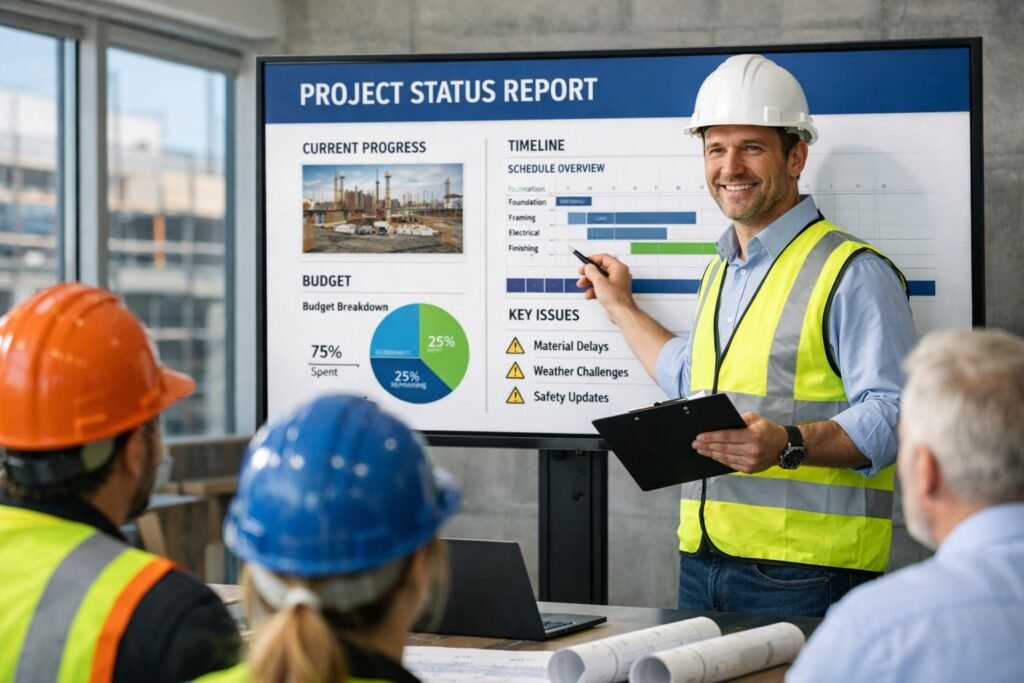
Construction project reporting is more than just a collection of numbers and data. It represents a crucial aspect of project management that can dictate the success or failure of a project. In a field as dynamic as construction, effective reporting can not only highlight areas of concern but also drive proactive actions that lead to project completion on time and within budget. As organizations increasingly shift towards data-driven decision-making, understanding how to transform reporting into action becomes vital for every stakeholder involved. This article delves into the intricacies of Construction Project Reporting That Drives Action
The Importance of Action-Driven Construction Reporting
Action-driven construction reporting serves as a bridge between data collection and decision-making. In large organizations, the sheer volume of data generated daily can easily overwhelm teams if not managed properly. Reports that focus solely on data without contextual framing risk becoming mere paperwork, lacking the necessary insights that lead to effective actions. By prioritizing actionable insights, construction project reports foster accountability and provide a roadmap for stakeholders, guiding them toward informed decisions.
Moreover, the construction industry is notorious for its unpredictability, and action-driven reporting helps mitigate risks. By identifying trends, potential roadblocks, and resource allocation inefficiencies, stakeholders can intervene before issues escalate. Whether it’s a delay in material delivery or unexpected labor costs, timely reporting equips decision-makers with the information they need to pivot strategies effectively.
Finally, action-driven reports enhance transparency across the board. In large-scale projects, multiple stakeholders including project managers, contractors, clients, and suppliers must be on the same page. Reports that highlight actionable insights foster a culture of transparency, ensuring all parties are aware of current statuses and potential challenges, ultimately promoting collaboration toward shared project goals.
Key Metrics for Effective Project Reporting
Effective project reporting hinges on the identification and monitoring of key metrics. These metrics can vary based on the project’s scope, but some fundamental indicators consistently drive action. One significant metric is the project timeline, which should be regularly compared against the planned schedule. Delays can indicate potential bottlenecks that require immediate attention, whether that be reallocating resources or adjusting project timelines.
Another critical metric is budget adherence. Keeping track of expenditure against the projected budget allows stakeholders to foresee financial overruns and take corrective action before it’s too late. By implementing a budget tracking system, organizations can quickly identify cost drivers and make informed decisions about future resource allocation, leading to better financial outcomes.
Finally, safety metrics should never be overlooked. In the construction industry, safety is paramount. Reporting on incidents, near misses, and compliance with safety regulations provides insight into the project’s safety culture. Regularly reviewing these metrics fosters a proactive approach to safety, enabling teams to fortify protocols and enhance training, thereby reducing risk and improving overall project morale.
Streamlining Data Collection for Better Insights
To drive actionable insights, organizations need to streamline the data collection process. Traditional methods often involve cumbersome paperwork and disparate systems, making it challenging to obtain timely data. However, modern construction management software offers solutions that centralize information collection, allowing for real-time updates and easier access to project data.
Automating data input through digital tools not only reduces human error but also accelerates the reporting process. By utilizing mobile applications and cloud-based solutions, field teams can input information right from the job site, ensuring that reports reflect the most current data. This immediacy allows project managers to react quickly, fostering a more agile response to challenges as they arise.
Additionally, establishing standardized reporting formats can enhance clarity and consistency across reports. By creating templates that outline the necessary information, teams save time while ensuring that all relevant data is captured. These standardized reports can be easily interpreted by different stakeholders, facilitating effective communication and faster decision-making.
Enhancing Communication Among Project Stakeholders
Effective communication is essential for the success of construction projects. Timely, actionable reporting plays a significant role in fostering communication among diverse stakeholders. Regularly sharing reports with team members, clients, and contractors encourages an open dialogue about project goals, challenges, and expectations. This transparency helps in aligning everyone’s interests and facilitates a collaborative approach to problem-solving.
Incorporating collaborative tools such as project management software can further enhance communication. These platforms allow stakeholders to access real-time reports, engage in discussions, and track progress collectively. By making data accessible to all parties, organizations can foster a culture of shared responsibility where everyone is empowered to contribute to the project’s success.
Furthermore, hosting regular meetings to discuss report findings encourages active engagement. These meetings can serve as platforms for brainstorming solutions to identified issues, thus transforming data into actionable insights collectively. When stakeholders feel involved in the decision-making process, their commitment to the project strengthens, leading to a more unified effort toward achieving project objectives.
Transforming Reports into Actionable Strategies
Once data has been collected and reported, the next step is to transform these insights into actionable strategies. This requires a structured approach to analysis. Stakeholders need to interpret the data, drawing connections between metrics and project outcomes. For instance, if a report reveals a consistent delay in a particular phase of construction, stakeholders can delve deeper to identify root causes and determine targeted actions to mitigate future delays.
Another effective method is to create action plans based on report findings. These plans should outline specific steps, responsible parties, and timelines to address any issues highlighted in the reports. By assigning accountability and clear deadlines, organizations can ensure that insights translate into concrete actions, enhancing the likelihood of successful project completion.
Additionally, utilizing a continuous improvement mindset can further empower organizations to act on reported data. By regularly reviewing past project reports and outcomes, teams can identify patterns that inform future practices. This iterative approach ensures that lessons learned are documented and applied to subsequent projects, fostering a culture of excellence and proactive risk management.
Utilizing Technology to Improve Reporting Efficiency
Technology plays a pivotal role in enhancing construction project reporting efficiency. Utilizing advanced construction management tools automates many reporting processes, reducing the time spent on manual data entry and increasing accuracy. These software solutions often come equipped with dashboards that allow stakeholders to visualize data trends and key performance indicators at a glance.
Moreover, integrating artificial intelligence and machine learning into reporting processes can provide predictive analytics. By analyzing historical data, these technologies can forecast potential risks and outcomes, enabling more proactive decision-making. Stakeholders can focus on strategic planning rather than simply reacting to issues as they arise, thus enhancing overall project efficiency.
Cloud-based platforms also facilitate collaboration among geographically dispersed teams. Real-time access to updated reports means that on-site workers and off-site managers can work in tandem, reducing delays caused by miscommunication. This seamless flow of information ensures that all stakeholders remain aligned, ultimately driving project success.
Case Studies: Success Stories in Construction Reporting
Examining real-world examples highlights how effective construction reporting can drive action. For instance, a large infrastructure firm implemented a centralized reporting system that integrated data from multiple sources. By leveraging this system, the firm significantly reduced project delays. The standardized reports enabled project managers to identify trends quickly, leading to timely interventions and resource adjustments that improved overall project timelines.
Another striking case involved a commercial construction company that adopted mobile reporting tools. By allowing field engineers to input data in real-time, the company improved communication between on-site and off-site teams. This immediate access to information translated into faster decision-making and ultimately reduced costs by 15 percent, demonstrating the power of streamlined reporting processes in driving financial efficiency.
Lastly, a residential developer focused on safety reporting saw tangible benefits through actionable insights. By analyzing safety incident reports, the organization was able to pinpoint high-risk activities and areas requiring enhanced training. This proactive approach reduced safety incidents by nearly 30 percent, showcasing how turning reports into actionable strategies can significantly impact not only project outcomes but also employee well-being.
Future Trends in Construction Project Reporting
As the construction industry evolves, so too will the methodologies surrounding project reporting. One emerging trend is the increasing use of data analytics for real-time reporting. With the ability to analyze vast amounts of data quickly, organizations will be able to gain insights that were previously difficult to obtain. This shift toward real-time analytics will empower teams to adjust strategies dynamically, enhancing responsiveness to on-site conditions.
Another trend is the growth of visualization tools. Advanced graphical representations of data can make reports more understandable for stakeholders. Utilizing charts, graphs, and interactive dashboards will likely become standard practice, enabling teams to glean insights at a glance and facilitating more informed decision-making processes.
Finally, sustainability reporting is on the rise. As environmental concerns become a central focus in construction, organizations are increasingly investing in reporting methodologies that quantify project impacts on sustainability. By measuring and reporting on environmental performance, organizations can not only comply with regulations but also enhance their corporate social responsibility, appealing to a broader audience that values sustainable practices.
In conclusion, actionable construction project reporting is essential for successful project management in the construction industry. By focusing on key metrics, enhancing communication, and utilizing technology, organizations can transform raw data into meaningful insights. As the industry continues to evolve, embracing future trends will be crucial for staying ahead. With a proactive approach to reporting, construction firms can ensure that projects not only meet deadlines but also align with stakeholder expectations and sustainability goals.
Frequently Asked Questions
What is construction project reporting?
Construction project reporting is the process of collecting, analyzing, and presenting project data to inform decision-making. Effective reporting highlights progress, risks, and opportunities, guiding stakeholders to take timely action.
Why is action-driven reporting important?
Reports that simply present numbers can be overwhelming or meaningless. Action-driven reporting translates data into insights, enabling project teams and executives to make informed decisions and maintain project momentum.
Who benefits from construction project reports?
Stakeholders at all levels benefit, including project managers, site supervisors, executives, investors, and clients. Reports provide visibility into project health, resource utilization, budgets, and timelines.
What key metrics should be included in reports?
Essential metrics include schedule adherence, budget performance, resource allocation, safety incidents, quality control measures, and change order status. Contextual explanations for deviations are critical.
How can reports drive proactive action?
By highlighting potential delays, budget overruns, or quality concerns early, reports allow stakeholders to implement corrective actions before issues escalate, ensuring projects stay on track.
How often should construction reports be generated?
The frequency depends on project scale and organizational standards. Typical cadences include weekly or bi-weekly progress reports, with monthly executive summaries for enterprise-level projects.
How does technology enhance reporting?
Construction management software, dashboards, and analytics tools automate data collection, provide real-time insights, and visualize progress, reducing errors and enabling faster decision-making.
What are common pitfalls in construction reporting?
Pitfalls include information overload, lack of actionable insights, outdated data, poor visualization, and failing to align reporting with stakeholder needs. Avoiding these ensures reports remain effective.
How do reports support accountability?
By documenting responsibilities, progress, and outcomes, reports make teams accountable for deliverables. They create transparency and allow leadership to track performance across multiple projects.
Can reports improve collaboration?
Yes. Clear, concise, and actionable reports facilitate communication across teams, departments, and stakeholders. They ensure everyone has a shared understanding of project status, priorities, and risks.
Conclusion – Construction Project Reporting That Drives Action
Effective construction project reporting is far more than a procedural requirement; it is a strategic tool that drives organizational success, accountability, and efficiency across complex projects. In today’s enterprise environment, where projects are often large, multifaceted, and resource-intensive, reports that simply present raw data fail to provide the insights needed for timely and informed decision-making. By prioritizing action-driven reporting, organizations empower project managers, executives, and stakeholders to proactively address risks, seize opportunities, and maintain alignment with project objectives.
The value of construction project reporting lies in its ability to transform data into actionable intelligence. By tracking metrics such as schedule adherence, budget performance, resource allocation, safety compliance, and quality outcomes, organizations gain visibility into both micro and macro aspects of project performance. However, these metrics are only valuable when contextualized, interpreted, and communicated effectively. Reports that provide narrative insights alongside numerical data enable leadership to understand not just what is happening, but why it is happening, and what corrective or strategic actions are required.
Moreover, effective reporting fosters a culture of accountability and transparency. When roles, responsibilities, and progress are clearly documented, every team member understands their contribution to project outcomes. Executives can make informed decisions with confidence, and project managers can anticipate potential issues before they escalate. In enterprise-scale construction projects, where even small delays or oversights can have significant financial and operational consequences, the ability to act on accurate, timely information is essential.
Technology further enhances the reporting process, providing real-time dashboards, automated alerts, and advanced analytics. These tools not only reduce human error but also increase the speed and precision of insights, ensuring that decision-makers are equipped to respond immediately to evolving project conditions.
Ultimately, construction project reporting is an indispensable component of enterprise project management. When executed thoughtfully, it bridges the gap between data collection and strategic decision-making, strengthens stakeholder engagement, and drives projects to successful, timely, and cost-effective completion. Organizations that master action-driven reporting not only mitigate risk but also build a sustainable framework for continuous improvement, operational excellence, and competitive advantage in the construction industry.
Hashtags: #Construction #ProjectManagement #DataInsights #StakeholderEngagement #Sustainability
External Source for Call-to-Action: For further insights on enhancing project reporting, check out https://www.deltek.com/en/construction/construction-reporting
Discover More great insights at www.pmresourcehub.com
Explore Free Project Management Templates https://pmresourcehub.com/library/