Top 8 Genius Project Management Hacks to Reduce Your Weekly Admin Load by 50%
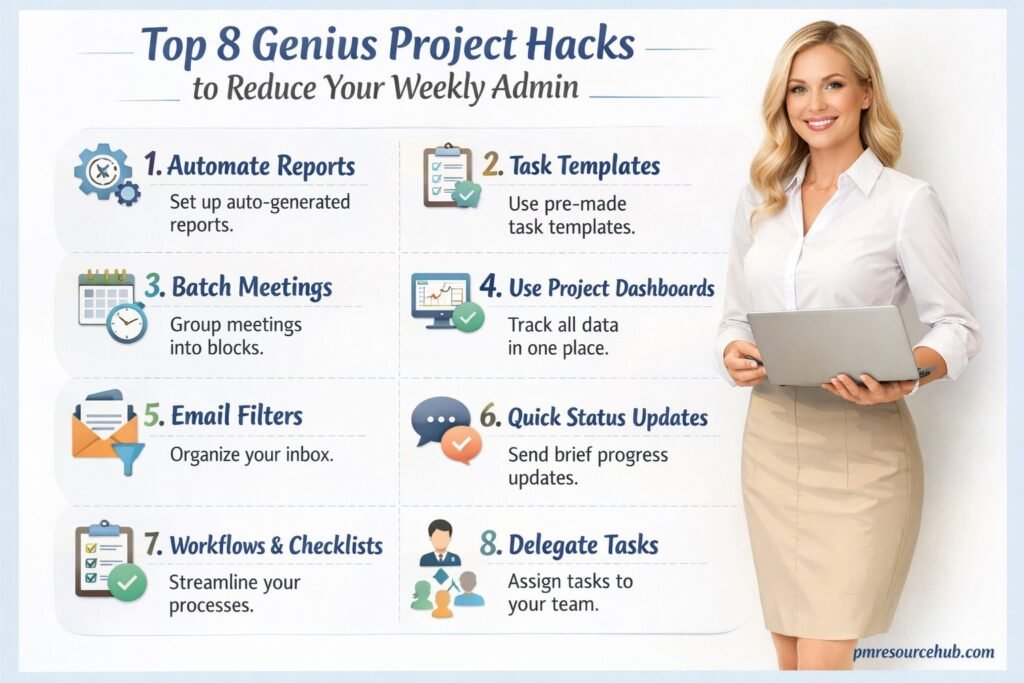
In today’s fast-paced business environment, administrative tasks can be a significant drain on resources and focus. Many professionals find themselves buried under a mountain of paperwork, emails, and to-do lists. If you feel overwhelmed and wonder where all your time goes, you’re not alone. Yet, it doesn’t have to be this way. By implementing a few strategic project management hacks, you can effectively reduce your weekly admin load by as much as 50%. Here, we explore eight genius project hacks designed to streamline your work, enhance productivity, and free up time for what really matters.
Discover the Power of Automation in Your Projects
Automation is not just a buzzword; it’s a necessity in the modern workplace. By leveraging automation tools, you can handle repetitive tasks with minimal human intervention. For instance, project management software like Asana or Trello can automate task assignments, deadline reminders, and progress tracking. By automating these processes, you free your team from mundane tasks, allowing them to focus on strategic planning and creative problem-solving.
Consider how much time your team spends on routine data entry or status updates. With automation, these tasks can be streamlined. Implementing automated notifications ensures everyone is on the same page without unnecessary back-and-forth communication. Plus, when you integrate your tools with automation platforms like Zapier, you can connect apps and automate workflows between them, creating a seamless project environment.
The best part about automation is that it allows for consistent processes across your organization. When everyone uses the same automated systems, you not only enhance efficiency but also minimize the margin for error. This reliability fosters a culture of accountability, and your projects will run smoother, as each team member knows their responsibilities without constant oversight.
Streamline Tasks with Effective Project Management Tools
Effective project management tools are critical for large organizations looking to decrease administrative burdens. Choosing the right software can transform how teams collaborate and manage their tasks. Tools such as Monday.com or ClickUp offer comprehensive features that adapt to various project needs, from task assignments to resource allocation.
These platforms allow for real-time collaboration, enabling all team members to access project updates from anywhere. By centralizing information, you eliminate the chaos of email chains and scattered documentation. Instead, everyone can track the project’s progress and access necessary files in one unified platform, significantly reducing the time spent searching for information.
Moreover, effective project management tools often include built-in analytics that provide insight into project performance. By analyzing these metrics, managers can quickly identify bottlenecks and inefficiencies, allowing for immediate adjustments and improved overall productivity. This level of oversight ensures that your projects are not only completed on time but also within scope and budget.
Prioritize Your Work: The Art of Task Delegation
Effective task delegation is critical for any successful organization. It’s essential to understand that as a leader, your time is best spent on strategic initiatives rather than micromanaging every detail. Start by assessing the strengths and weaknesses of your team members. By aligning tasks with individual skills, you ensure that the right person is handling the right job, leading to higher efficiency and better outcomes.
Creating a transparent delegation system helps clarify responsibilities. Tools like RACI matrices can help define roles within a project, ensuring everyone understands their tasks. This clarity prevents overlap and redundancy, minimizing confusion and allowing for a more streamlined workflow. When team members know what they are accountable for, they can work more independently, reducing the need for constant check-ins.
Additionally, make it a practice to regularly review delegated tasks. Holding weekly or bi-weekly check-ins allows you to monitor progress and provide guidance when necessary. This approach not only keeps projects on track but also fosters a sense of ownership among team members, motivating them to take initiative and perform at their best.
Cut Down Meetings: Embrace Asynchronous Communication
Meetings can often feel like a necessary evil, consuming vast amounts of time without yielding tangible results. To combat this, organizations can embrace asynchronous communication, using tools like Slack or Microsoft Teams. These platforms allow team members to communicate and share updates without the need for real-time discussions.
By reducing the number of meetings, teams can allocate more time to completing tasks and projects. A well-structured communication plan can replace most traditional meetings. Create channels and discussion threads for specific projects or topics, allowing team members to contribute when it’s convenient for them. This flexibility not only improves productivity but also accommodates varying work styles and time zones.
Implementing asynchronous communication also promotes clearer documentation. Written updates provide a record that team members can refer back to, eliminating the need for recap meetings. This practice ensures that everyone stays informed, and it also allows for more thoughtful contributions compared to spontaneous verbal discussions.
Utilize Templates to Simplify Repetitive Processes
Templates are an often-overlooked tool that can significantly streamline repetitive processes. Whether it’s for project proposals, status reports, or meeting agendas, having standardized templates saves time and ensures consistency across the board. When your team can quickly fill in the blanks rather than starting from scratch, productivity improves dramatically.
Creating templates should involve key stakeholders to ensure they meet the needs of all users. Utilize collaborative tools like Google Docs or Microsoft Word to develop and store these templates, making them easily accessible for your team. By having a repository of templates, you reduce the time spent on formatting and structuring documents, allowing your team to focus on the content and insights that matter.
Moreover, templates can be particularly useful during onboarding new team members. Providing them with a set of templates for common tasks not only accelerates their integration into your organization but also ensures they adhere to established standards from day one. This practice can significantly reduce the administrative burden associated with onboarding.
Implement Time-Blocking Techniques for Better Focus
Time-blocking is a productivity technique that allows individuals to allocate specific blocks of time to particular tasks. By setting aside dedicated time slots for focused work, you can drastically reduce the distractions that come with multitasking. For large organizations, implementing this practice can lead to significant improvements in overall productivity.
Encourage your team to block out time on their calendars for specific tasks. This practice not only helps in managing distractions but also creates accountability. When everyone on the team knows that a particular time is reserved for deep work, it establishes a culture of focus, reducing the urge to check emails or engage in off-topic discussions.
Additionally, time-blocking allows for better planning and resource allocation. By assessing how much time each task requires, managers can distribute workloads more effectively, ensuring that no one is overwhelmed. This approach fosters a balanced work environment, promoting both productivity and employee satisfaction.
Centralize Your Data: Use a Single Source of Truth
In large organizations, data can often become fragmented across multiple platforms, leading to confusion and inefficiency. To counteract this, it is vital to centralize your data into a single source of truth. Utilizing a data management system helps ensure that everyone has access to the same information, reducing the chances of miscommunication and errors.
Centralized data repositories, such as SharePoint or Google Drive, make it easy for team members to find and share essential documents. This accessibility eliminates the time wasted searching for files or reconciling conflicting information from various sources. When everyone is working from the same data, the overall decision-making process becomes more efficient and informed.
Moreover, having a centralized data system enhances collaboration across departments. Teams can easily share insights, reports, and updates, leading to better alignment and cooperation. This transparency fosters a culture of teamwork, as everyone feels informed and engaged in the project’s progress.
Regularly Review and Optimize Your Workflows
Finally, to truly reduce your administrative load, it’s crucial to regularly review and optimize your workflows. Stagnation can lead to inefficiencies that creep back into your processes, so maintaining a dynamic approach to workflow management is essential. Schedule regular review sessions to identify bottlenecks and areas for improvement.
During these reviews, solicit feedback from your team. They are often the best source for insights on what is working and what is not. By involving them in the process, you create a sense of ownership over the workflows, making it more likely that they will adhere to the changes implemented.
Optimization can include adopting new technologies or processes as well as refining existing ones. Staying updated on industry trends and innovations can inspire new strategies that enhance productivity. Make it a habit to continuously assess your workflows, as a commitment to improvement will free up even more time and resources in the long run.
Frequently Asked Questions (FAQs on Project Management Hacks)
What are project management hacks?
Project management hacks are practical strategies, tools, and techniques that help project managers and teams streamline workflows, reduce administrative burdens, and enhance productivity. These hacks focus on eliminating repetitive tasks, improving communication, and optimizing resource allocation. They are not shortcuts that compromise quality; instead, they are efficiency-focused methods that allow teams to achieve more in less time. By applying project management hacks, organizations can focus on value-generating activities and improve overall project delivery.
How can project management hacks reduce weekly admin load by 50%?
The key to reducing admin load lies in identifying time-consuming tasks and applying automation, delegation, and process optimization. This includes using project management software to track tasks, automating repetitive reporting, setting up templates for recurring work, and improving meeting efficiency. By integrating these hacks systematically, project managers can reclaim hours each week, allowing them to concentrate on strategic work instead of mundane administrative tasks. The cumulative effect of small improvements across multiple workflows often results in up to a 50% reduction in weekly admin time.
What types of tasks are best suited for automation in project management?
Automation is most effective for repetitive, rule-based tasks. Examples include generating status reports, sending reminders to team members, tracking task deadlines, updating project dashboards, and consolidating timesheets. Project management tools like Asana, Trello, or Monday.com offer automation features that can handle these tasks automatically. By offloading repetitive work to automation, teams reduce errors, save time, and ensure consistency in project tracking.
How does streamlining communication improve efficiency?
Inefficient communication is one of the biggest sources of wasted time in project management. Streamlining communication involves setting clear guidelines for messaging, using centralized communication platforms, and reducing unnecessary meetings. For instance, establishing a single source of truth for project updates—like a shared project board or collaboration tool—prevents redundant messages, avoids confusion, and ensures team members are always on the same page. Streamlined communication helps minimize interruptions and keeps projects moving forward smoothly.
What are some examples of project management hacks for task organization?
Task organization hacks help project managers prioritize work effectively and reduce time lost on tracking details. Examples include creating standardized templates for recurring projects, grouping similar tasks, and using color-coded or priority-based boards. Additionally, time-blocking techniques can allocate specific periods for focused work, while delegating minor tasks ensures that team members are only handling responsibilities that match their skill set. These hacks simplify project management and keep teams aligned on priorities.
How can project managers make meetings more productive?
Meetings are often a major drain on time, and project management hacks can significantly reduce their impact. Some strategies include setting strict agendas, defining clear objectives, limiting attendee lists, and capping meeting duration. Additionally, using asynchronous updates for status reporting can replace some meetings entirely. By implementing these practices, teams spend less time in meetings while still maintaining effective collaboration, freeing up hours for critical project work.
What role does technology play in reducing admin workload?
Technology is a core enabler of project management efficiency. Tools for task management, automated reporting, document sharing, and communication allow teams to manage complex projects without being bogged down by administrative tasks. For example, cloud-based project management platforms enable real-time collaboration, while workflow automation can eliminate repetitive tasks. Leveraging technology effectively ensures that project managers can focus on strategic decisions rather than manual tracking, thereby improving productivity and accuracy.
How can delegating tasks improve project efficiency?
Delegation is a critical project management hack that prevents bottlenecks and reduces overload on a single manager. By assigning tasks according to team members’ skills and capacity, managers ensure that work progresses without unnecessary delays. Delegation also empowers team members to take ownership of their responsibilities, increases engagement, and encourages accountability. When combined with task tracking tools, delegation becomes a powerful method to balance workloads and reduce administrative overhead.
Are there hacks for improving project documentation?
Yes, maintaining organized and accessible project documentation is essential for efficiency. Hacks include using centralized document repositories, creating templates for recurring documents, and standardizing naming conventions. Version control features prevent confusion over outdated files, and searchable databases make it easy to locate information quickly. Efficient documentation practices reduce time spent searching for materials and ensure that the team can access accurate information at all times, improving decision-making and workflow continuity.
How can project management hacks help in risk management?
Effective risk management often suffers when project managers are overwhelmed with admin tasks. By implementing hacks that streamline reporting, automate risk tracking, and centralize communication, teams can monitor potential risks more proactively. For example, automated dashboards can alert managers to overdue tasks or budget overruns, allowing for timely interventions. These practices enhance the organization’s ability to mitigate risks while minimizing the administrative effort required to do so.
How do project management hacks support team productivity and morale?
Reducing unnecessary admin tasks allows team members to focus on meaningful work, which improves both productivity and morale. Hacks that streamline processes, clarify responsibilities, and reduce repetitive reporting help teams feel more empowered and less stressed. Over time, this fosters a culture of efficiency, accountability, and engagement. By minimizing the time spent on low-value activities, project management hacks enable teams to deliver better results and achieve project goals more effectively.
Can these hacks be applied in any type of organization?
Yes, these project management hacks are versatile and can be adapted to organizations of all sizes and industries. Whether managing enterprise-scale projects, small teams, or cross-functional initiatives, the principles of automation, delegation, streamlined communication, and workflow optimization are universally applicable. The key is to tailor the hacks to the organization’s processes, culture, and technology stack to maximize efficiency gains.
How should managers start implementing these hacks?
Managers should begin by assessing current workflows to identify repetitive or low-value tasks. Next, prioritize hacks that have the highest potential impact on time savings and productivity. Start small with one or two process improvements, measure results, and gradually expand. Training and buy-in from team members are also essential for successful adoption. Over time, implementing these hacks systematically can transform project management practices, leading to measurable reductions in weekly admin load.
What is the long-term benefit of using project management hacks?
The long-term benefits include sustained productivity, higher project quality, reduced burnout, and more strategic use of resources. Teams are able to focus on tasks that directly contribute to organizational goals, while managers gain clarity and control over projects without being burdened by administrative overhead. Additionally, continuous application of these hacks encourages a culture of efficiency and innovation, enabling organizations to remain competitive and agile in rapidly changing business environments.
Conclusion – Project Management Hacks
Reducing your weekly admin load by 50% is not just a dream; it’s entirely achievable with the right strategies. By embracing automation, streamlining communication, and optimizing your workflows, you can create a more efficient and productive work environment. These eight genius project hacks will empower your team, minimize unnecessary burdens, and allow everyone to focus on what truly drives organizational success..
Hashtags: #Productivity #ProjectManagement #Automation #WorkplaceEfficiency #TeamCollaboration
External Source: Discover more insights on project management hacks at Cornerstone Dynamics
Explore a Project Vision Statement Template