
How Would You Describe An Intelligent Workplace: A Detailed Guide
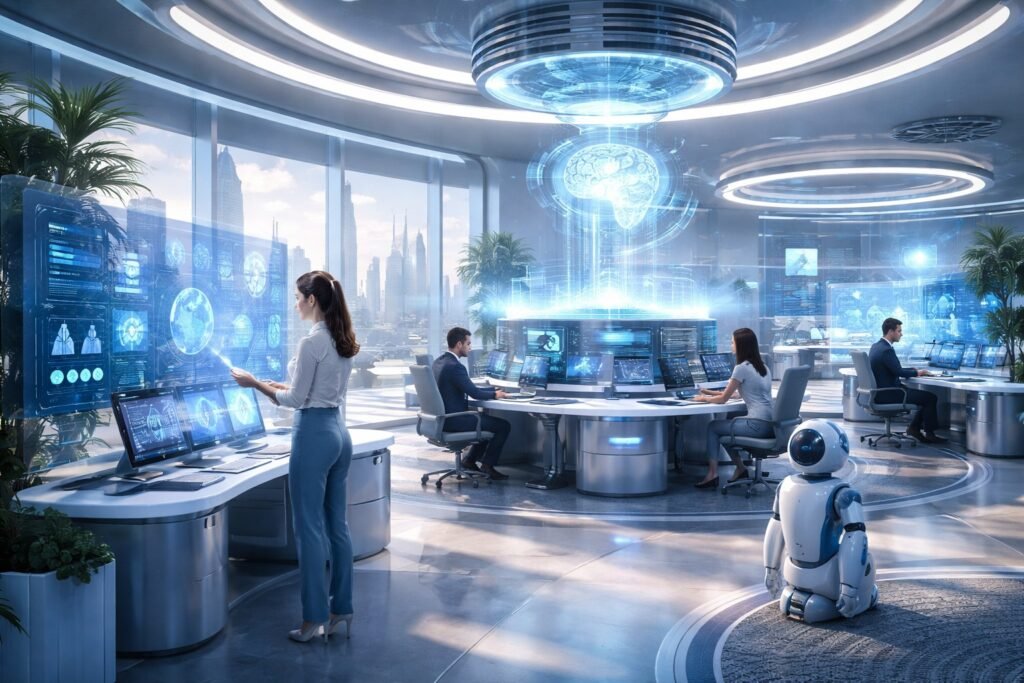
In today’s fast-paced business environment, the concept of an intelligent workplace is more relevant than ever. An intelligent workplace goes beyond just a physical space; it embodies a culture that prioritizes collaboration, innovation, and continuous improvement. This blog delves into the various aspects of what makes an intelligent workplace, offering insights that can be beneficial for large organizations aiming to create environments that foster productivity and growth. Explore expert insights below on How Would You Describe An Intelligent Workplace
Understanding the Concept of an Intelligent Workplace
An intelligent workplace is characterized by its adaptive nature, serving as a hub for creativity and collaboration. It thrives on the principle of flexibility, allowing employees to work in ways that suit their individual needs while aligning with organizational goals. This concept encompasses not just the physical layout of the office but also the policies, practices, and technologies that support a dynamic work environment.
Moreover, an intelligent workplace is one where data-driven decision-making is integral to everyday operations. By leveraging analytics and insights, organizations can make informed choices that enhance employee engagement, improve productivity, and drive overall performance. In this way, an intelligent workplace is not just reactive; it is proactive in addressing the needs of its workforce and adapting to the changing business landscape.
In essence, the intelligent workplace is a strategic approach to organizational design, focusing on creating an environment that harnesses human potential and technological advancements. It integrates various elements physical space, organizational culture, technology, and data to create a cohesive atmosphere that promotes innovation and efficiency.
Key Characteristics That Define Intelligent Workplaces
One of the primary characteristics of an intelligent workplace is its emphasis on collaboration. Spaces are designed not just for individual tasks but to encourage teamwork and brainstorming sessions. Open layouts, collaborative zones, and quiet areas for focused work strike a balance that caters to diverse working styles. This flexibility enhances communication, allowing for seamless information sharing among teams, thus breaking down silos that often impede progress in traditional office settings.
Another defining feature is the incorporation of advanced technology. Intelligent workplaces utilize cutting-edge tools such as AI, cloud computing, and collaboration platforms to streamline workflows. These technologies facilitate real-time communication and project management, enabling teams to remain connected regardless of their physical location. By investing in the right technological infrastructure, organizations can empower employees to perform at their best.
Moreover, an intelligent workplace prioritizes employee well-being and work-life balance. This includes providing resources for mental health, flexible working hours, and wellness programs. Organizations that focus on creating a supportive environment are more likely to see increased job satisfaction and retention rates. Ultimately, the intelligent workplace is not just about physical attributes or technological adoption; it’s about cultivating an inclusive culture that values and nurtures its workforce.
The Role of Technology in Enhancing Workplace Intelligence
Technology plays a pivotal role in transforming traditional workplaces into intelligent ones. For starters, automation tools can significantly reduce the time spent on repetitive tasks, freeing employees to focus on high-level strategic work. By implementing technologies like machine learning and artificial intelligence, organizations can enhance their operational efficiency and foster a culture of innovation.
Another vital aspect is the use of communication and collaboration tools. Platforms like Slack, Microsoft Teams, and Asana help facilitate seamless interactions among team members, regardless of their location. These tools not only make it easier to share ideas and feedback but also enable teams to work together effectively, enhancing overall productivity. The ability to communicate in real time ensures that projects move forward without unnecessary delays.
Furthermore, the integration of data analytics into workplace processes allows organizations to continuously monitor performance and identify areas for improvement. By analyzing employee engagement data, for example, companies can tailor their strategies to better meet the needs of their workforce. This data-driven approach fosters a culture of transparency and accountability, where decisions are informed by concrete evidence rather than intuition.
Fostering Collaboration and Communication in Teams
Effective collaboration and communication are essential elements of an intelligent workplace. The design of the physical space can significantly impact how teams interact; therefore, organizations are increasingly opting for open-plan layouts that encourage spontaneous discussions and idea exchanges. Meeting rooms equipped with smart technology also enhance collaboration, allowing teams to share screens, brainstorm, and make decisions more efficiently.
Additionally, fostering a culture that values open communication is crucial. Leaders should encourage feedback at all levels, creating an environment where employees feel comfortable sharing their ideas and concerns. Regular team meetings and informal gatherings can help strengthen relationships and promote a sense of belonging among team members.
Moreover, leveraging collaboration tools ensures that all voices are heard, regardless of team members’ locations. With virtual meetings and shared online workspaces, teams can overcome geographical barriers and collaborate in real time. This inclusivity not only enhances productivity but also leads to more innovative solutions, as diverse perspectives come together to tackle challenges.
The Importance of Data-Driven Decision Making
In an intelligent workplace, data-driven decision-making is fundamental to achieving success. Organizations need to rely on metrics and analytics to inform their strategies, rather than gut feelings or assumptions. By collecting and analyzing data from employee surveys, productivity metrics, and project outcomes, leaders can gain insights that drive improvements across the organization.
Additionally, dashboards and reporting tools can help visualize this data, making it easier for teams to understand trends and make informed decisions. The real-time availability of data empowers employees at all levels to take ownership of their work and contribute to the organization’s overall success.
Furthermore, data-driven decision-making fosters a culture of accountability. When decisions are based on evidence, it becomes easier to assess their effectiveness and make necessary adjustments. This approach not only improves operational efficiency but also enhances employee engagement, as team members see their input directly impacting organizational outcomes.
Creating a Culture of Continuous Learning and Growth
An intelligent workplace thrives on a culture of continuous learning and growth. Organizations that prioritize professional development enable employees to enhance their skills and advance in their careers. This can include offering training programs, mentorship opportunities, and access to educational resources. When employees feel invested in their development, they are more likely to be engaged and committed to their work.
Moreover, organizations should encourage knowledge sharing among employees. Creating platforms for individuals to share insights, lessons learned, and best practices can foster a collaborative environment where everyone benefits from collective expertise. This not only enhances individual capabilities but also strengthens team dynamics.
Additionally, a commitment to continuous learning helps organizations remain competitive. In a fast-evolving business landscape, being adaptable and open to new ideas is essential for long-term success. By cultivating a culture that values learning, organizations position themselves to innovate and respond effectively to emerging trends and challenges.
Measuring Success: Metrics for Intelligent Workplaces
To truly assess the effectiveness of an intelligent workplace, organizations need to establish clear metrics. Employee satisfaction surveys, retention rates, and productivity levels are just a few indicators of success. By regularly measuring these metrics, organizations can identify trends and areas for improvement, ensuring they remain on the path to creating a thriving workplace.
Additionally, performance management systems can help track individual and team contributions to organizational goals. Setting specific, measurable objectives allows teams to see how their work aligns with broader company initiatives. This alignment fosters a sense of purpose and encourages employees to take ownership of their roles.
Moreover, organizations can use benchmark data from industry peers to gauge their performance. Comparing metrics against those of similar organizations can provide insights into best practices and areas where further improvements can be made. Ultimately, measuring success is essential for creating a culture of accountability and continuous improvement in an intelligent workplace.
Future Trends Shaping Intelligent Work Environments
The future of intelligent workplaces is being shaped by several emerging trends. One significant trend is the increasing focus on remote and hybrid work models. As organizations adapt to the changing landscape, flexible work arrangements will become the norm, requiring a reevaluation of how teams collaborate and communicate. This shift emphasizes the need for technology that facilitates remote interactions and maintains organizational culture.
Another trend is the rise of artificial intelligence and automation. These technologies will continue to transform workflows, enhancing operational efficiency and enabling employees to focus on more strategic tasks. As AI becomes more integrated into workplace processes, organizations will need to ensure their employees have the skills to leverage these tools effectively.
Additionally, a growing emphasis on employee well-being and mental health is expected to shape intelligent workplaces in the coming years. Organizations will increasingly recognize that investing in their employees’ holistic well-being is crucial for long-term success. By fostering a supportive environment that prioritizes work-life balance, organizations can attract and retain top talent in an increasingly competitive landscape.
In conclusion, an intelligent workplace is not merely a trend but a strategic approach to organizational success. By prioritizing collaboration, leveraging technology, and fostering a culture of continuous learning, businesses can create environments that empower employees to thrive. As the workplace continues to evolve, organizations that embrace these principles will be well-positioned for success in the future.Frequently Asked Questions
What is an intelligent workplace in an enterprise context?
An intelligent workplace is an enterprise-wide operating environment that integrates people, processes, technology, and data to enable collaboration, adaptability, and sustained performance. It goes beyond office design and includes governance, culture, digital platforms, and decision-making models that support how work is actually done at scale.
How does an intelligent workplace differ from a modern or flexible workplace?
While modern or flexible workplaces often focus on physical layout or remote working options, an intelligent workplace is a strategic construct. It combines flexibility with data-driven insights, advanced technology, and aligned policies to continuously optimize productivity, engagement, and outcomes across the organization.
Why are intelligent workplaces becoming critical for large organizations?
Large enterprises operate in complex, fast-changing environments with distributed teams, regulatory pressures, and high performance expectations. Intelligent workplaces enable organizations to respond quickly to change, improve cross-functional collaboration, and make informed decisions based on real-time data rather than static assumptions.
What role does leadership play in creating an intelligent workplace?
Leadership is essential in setting the vision, governance, and cultural expectations that enable workplace intelligence. Executives must sponsor technology investment, encourage collaboration across silos, and model data-driven decision-making. Without leadership alignment, intelligent workplace initiatives tend to remain fragmented or tactical.
How does technology support workplace intelligence?
Technology acts as an enabler by automating routine tasks, improving communication, and providing actionable insights through analytics. Collaboration platforms, cloud tools, and AI-driven systems help teams work more efficiently while giving leaders visibility into performance, engagement, and operational health.
Can intelligent workplaces support hybrid and remote working models?
Yes. Intelligent workplaces are designed to support hybrid and distributed teams by ensuring consistent access to tools, information, and collaboration capabilities regardless of location. This reduces dependency on physical presence while maintaining accountability, performance, and connection across the enterprise.
How do intelligent workplaces improve employee engagement?
By offering flexibility, transparency, and tools that reduce friction, intelligent workplaces create environments where employees can focus on meaningful work. Data-driven insights allow organizations to identify engagement issues early and adjust policies, workloads, or support mechanisms proactively.
What metrics are used to assess workplace intelligence?
Common metrics include employee engagement scores, productivity indicators, collaboration effectiveness, technology adoption rates, and operational efficiency measures. Advanced organizations also use analytics to link workplace design and tools to business outcomes such as delivery speed, quality, and retention.
What are the main challenges in implementing an intelligent workplace?
Key challenges include resistance to change, fragmented technology ecosystems, unclear governance, and lack of alignment between business strategy and workplace initiatives. Successful implementation requires coordinated effort across IT, HR, operations, and executive leadership.
Is an intelligent workplace a one-time initiative?
No. An intelligent workplace is an evolving capability. As business models, technologies, and workforce expectations change, organizations must continuously reassess and refine how their workplace operates to remain effective and competitive.
Case Study: Building an Intelligent Workplace in a Global Financial Services Enterprise
Organizational Context and Challenge
A multinational financial services enterprise with more than 25,000 employees across Europe, North America, and Asia-Pacific was experiencing declining engagement, slow cross-regional decision-making, and rising attrition in specialist roles. Despite significant investment in modern offices and digital tools, the workplace experience remained fragmented. Leadership identified that productivity issues were not caused by lack of effort, but by disconnected systems, unclear ways of working, and inconsistent collaboration practices.
Strategic Objective and Enterprise Approach
The organization set out to build an intelligent workplace as an enterprise capability rather than a facilities or IT initiative. A cross-functional governance group was established, including HR, IT, real estate, risk, and business executives. The group defined success measures tied to enterprise outcomes such as faster collaboration, improved employee experience, stronger transparency, and better use of organizational data to support decision-making.
Technology Enablement and Data Integration
The enterprise standardized collaboration and work management platforms globally, replacing multiple regional tools. Data from these platforms was integrated with HR and performance systems to provide insight into work patterns, capacity constraints, and collaboration bottlenecks. Automation was introduced across reporting, compliance tracking, and administrative workflows, reducing manual effort and improving consistency across regions.
Workplace Design and Operating Model Changes
Physical offices were redesigned to support flexible work patterns rather than fixed desk-based attendance. Spaces were reconfigured into collaboration zones, quiet focus areas, and hybrid meeting rooms. At the same time, policies shifted toward outcome-based performance management. Leaders received targeted training to manage distributed teams, focusing on clarity of objectives, trust, and regular feedback rather than physical visibility.
Employee Well-Being and Workforce Intelligence
Employee well-being was embedded into the intelligent workplace model as a performance driver. Analytics identified teams at risk of sustained overload, triggering early interventions such as workload rebalancing and additional support during peak delivery periods. Clear communication about how workforce data was used helped maintain trust and reinforced responsible governance.
Measurable Outcomes and Business Impact
Within 18 months, the organization reported a 14 percent increase in engagement scores and a 9 percent reduction in voluntary attrition for critical roles. Cross-regional project delivery timelines improved, and leadership gained near real-time visibility into how work flowed across the enterprise. The intelligent workplace became a strategic asset, improving resilience, execution discipline, and long-term organizational performance.
Conclusion – How Would You Describe An Intelligent Workplace
Hashtags:
IntelligentWorkplace #Collaboration #Technology #ContinuousLearning #FutureOfWork
Call to Action:
For more insights on building intelligent workplaces, check out this article on “The Future of Work” at https://www.forbes.com/councils/forbestechcouncil/2024/06/13/reimagining-the-workplace-how-to-use-smart-technology-to-shape-the-future-of-work/
Explore Free Project Management Templates https://pmresourcehub.com/library/