
Integrated Workplace Management Software: The Future of Asset Management
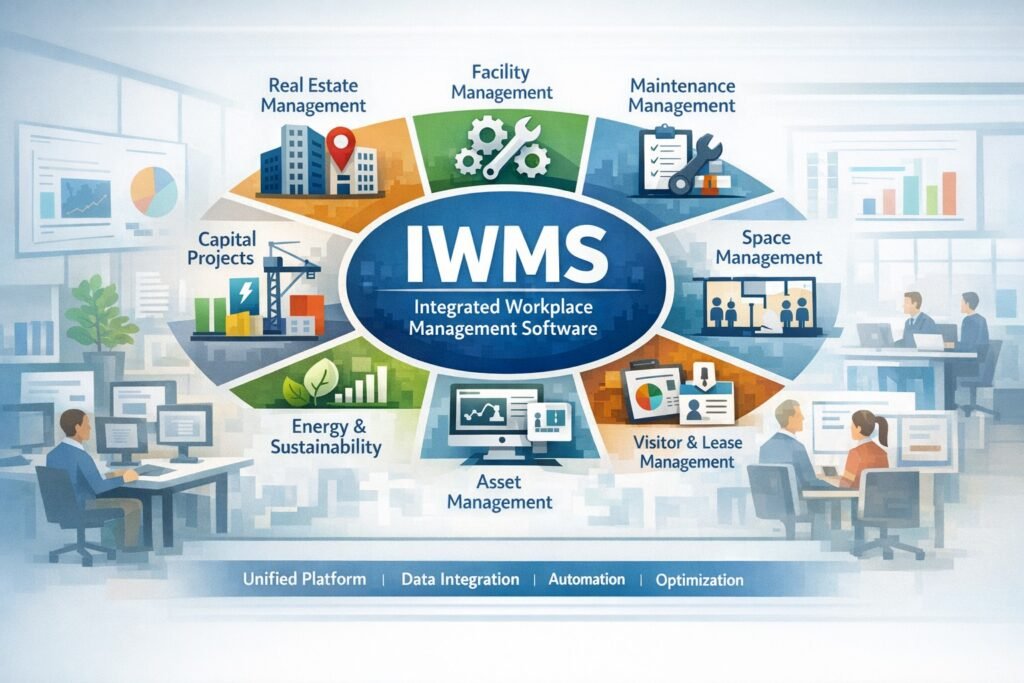
Integrated Workplace Management Software (IWMS) is transforming how organizations manage their facilities and assets. In an era where operational efficiency is crucial, employing an IWMS can lead to significant improvements in productivity and resource management. This article will explore the multifaceted benefits and features of IWMS, its role in facility and asset management, integration with existing systems, and the role of a scalable project management framework in coordinating workplace initiatives., success stories, common challenges, and emerging trends. Whether you’re a facility manager or an executive looking to streamline operations, understanding IWMS is essential for staying competitive in today’s business landscape. adaptive project portfolio management
Understanding Integrated Workplace Management Software Benefits
Integrated Workplace Management Software (IWMS) provides a comprehensive solution for organizations to manage their facilities and assets more effectively. One of its primary advantages is the centralization of data, which allows for informed decision-making across various departments. By having a unified platform, organizations can streamline processes, resulting in reduced operational costs and improved resource allocation. This not only enhances productivity but also enables businesses to respond quickly to changing market demands.
Moreover, IWMS offers enhanced visibility into various aspects of facility management. With real-time data analytics and reporting features, organizations can monitor key performance indicators (KPIs) related to facility utilization, maintenance schedules, and energy consumption. This insight allows for proactive decision-making, which can lead to extended asset lifespans and lower maintenance costs. In summary, adopting IWMS can directly contribute to enhanced organizational performance and overall profitability.
Lastly, the ability to improve employee satisfaction and engagement is another notable benefit of IWMS. By optimizing workplace environments and ensuring that facilities meet employee needs, organizations can foster a positive work culture. Improved amenities and efficient space utilization can lead to higher employee morale and lower turnover rates, ultimately benefiting the organization’s bottom line.
Key Features of Integrated Workplace Management Solutions
One of the standout features of IWMS is its space management capabilities. Organizations can efficiently manage their physical spaces, from offices to conference rooms. By utilizing advanced space planning tools, businesses can optimize layouts according to employee needs and workflow patterns. When those spaces are used for corporate meetings or events, clear understanding of event coordinator responsibilities helps connect venue logistics with the wider event plan. Whether adjusting for new hires or reorganizing for project teams, efficient space management aids in maximizing productivity while minimizing costs.
Another critical feature is the maintenance management functionality. IWMS allows organizations to schedule and track maintenance activities, ensuring that all assets are kept in optimal condition. Automated alerts for preventive maintenance can reduce downtime and avoid costly repairs. This feature not only promotes longevity for physical assets but also enhances compliance with safety regulations.
IWMS also offers robust reporting and analytics features, which are essential for tracking performance metrics and making data-driven decisions. Organizations can generate custom reports on space utilization, maintenance costs, and energy consumption, facilitating better planning for future resource allocation. The ability to visualize data through dashboards enhances understanding and helps identify trends, making it easier to strategize for the future.
How IWMS Enhances Workplace Efficiency and Productivity
Efficiency in the workplace is paramount, and IWMS plays a pivotal role in achieving this goal. By automating various processes such as maintenance requests, space allocations, and reporting, organizations can significantly reduce administrative burdens. Employees can focus on core tasks rather than being bogged down by repetitive paperwork or manual processes. This boost in efficiency can lead directly to increased productivity and a more engaged workforce.
Additionally, real-time data access allows organizations to make informed decisions swiftly. For example, if a facility manager notices a spike in energy consumption through the IWMS analytics dashboard, they can investigate immediately and implement corrective measures. This proactive approach not only saves money but also ensures that facilities operate at peak efficiency.
Finally, the integration of IWMS with other business systems can further streamline operations. By connecting with Human Resources or Financial Management systems, for instance, organizations can improve project timelines, budgets, and resource allocations. This interconnectedness fosters collaboration among different departments, enhancing overall efficiency and productivity.
The Role of IWMS in Facility and Asset Management
Effective facility and asset management is crucial for any organization’s success. IWMS acts as the backbone of these operations, providing tools to oversee everything from maintenance schedules to space usage. By centralizing information, facility managers can make data-driven decisions that enhance operational efficiency. This ensures that assets are not only maintained but also utilized to their fullest potential.
In addition, IWMS enables organizations to track the lifecycle of their assets. From acquisition to disposal, having a clear understanding of asset performance can lead to better budgeting and investment decisions. Facility managers can analyze data to determine when to replace or upgrade assets, avoiding unnecessary expenditures and optimizing resource allocation.
Furthermore, IWMS enhances compliance with regulatory standards. By automating the tracking of compliance-related tasks, organizations can ensure that they meet required safety and operational guidelines. This not only mitigates risks but also fosters a culture of accountability within the organization.
Integrating IWMS with Existing Business Systems
One significant advantage of IWMS is its ability to integrate seamlessly with existing business systems. For large organizations that may already have established software solutions for finance, HR, or project management, IWMS can fill gaps in asset and facility management. This integration allows for a comprehensive view of organizational operations, making it easier to align goals across departments.
The integration process often involves data migration from existing systems, which may seem daunting. However, many IWMS vendors provide support for a smooth transition, ensuring that critical data is preserved and accessible in the new system. This not only saves time but also helps maintain continuity in operations.
Moreover, the combination of IWMS with existing systems can lead to enhanced analytics capabilities. By aggregating data from various sources, organizations can gain deeper insights into operational performance. This holistic view enables better strategic planning and resource management, ultimately leading to improved organizational outcomes.
Real-World Examples of IWMS Success Stories
Several organizations have successfully implemented IWMS solutions and reaped the benefits. For instance, a major global tech firm integrated IWMS to manage its extensive facilities across multiple continents. By centralizing data, the organization improved its space utilization by 30%, leading to significant cost savings. The firm also reported a notable increase in employee satisfaction due to enhanced workplace conditions.
In another case, a large healthcare provider adopted IWMS to streamline maintenance operations across its facilities. The software enabled proactive maintenance scheduling, which led to a 25% reduction in downtime for critical medical equipment. This improvement not only elevated the standard of care but also maximized the return on investment in healthcare technologies.
Retail giants have also embraced IWMS as part of their strategy to enhance customer experience. By optimizing store layouts and managing inventory more effectively, these organizations have seen increased foot traffic and higher sales. The ability to analyze data from various sources in real-time has proven invaluable in making quick and effective operational decisions.
Common Challenges in Implementing IWMS Solutions
While the advantages of IWMS are clear, organizations may face several challenges during implementation. One of the most common hurdles is resistance to change from employees accustomed to traditional processes. To overcome this, companies must invest in training and change management strategies to ensure a smooth transition. Open communication about the benefits of IWMS can help alleviate concerns and foster buy-in from staff.
Data migration is another significant challenge. Organizations often have vast amounts of historical data that need to be transferred to the new system. Ensuring data integrity during this process is critical, as errors can lead to flawed decision-making. Engaging with experts during the migration process can help mitigate risks and ensure a successful implementation.
Lastly, the initial investment in IWMS can be daunting for some organizations. However, it is essential to view this as a long-term investment rather than an immediate expense. When considering the potential cost savings and productivity gains, the return on investment can be substantial over time. Proper budgeting and strategic planning can help organizations navigate the initial costs associated with adopting IWMS.
Future Trends in Integrated Workplace Management Software
As technology continues to evolve, the future of IWMS looks promising. One notable trend is the increasing incorporation of Artificial Intelligence (AI) and machine learning. These technologies can enhance predictive analytics, allowing organizations to forecast maintenance needs and optimize resource allocation more effectively. Anticipating issues before they arise can lead to significant cost savings and improved operational efficiency.
Another trend is the growing emphasis on sustainability within IWMS. Organizations are becoming more aware of their environmental impact, and IWMS solutions are evolving to support sustainable practices. Features such as energy management modules can help organizations monitor consumption and reduce their carbon footprint, aligning with corporate social responsibility goals.
Lastly, the rise of remote and hybrid work models is reshaping the landscape of workplace management. IWMS will need to adapt to accommodate these changes, providing tools that allow organizations to manage both physical and virtual spaces effectively. The future landscape of work is dynamic, and IWMS solutions will play a crucial role in helping organizations navigate this transition while maintaining operational efficiency.
In summary, Integrated Workplace Management Software offers a wealth of benefits for organizations seeking to enhance their facility and asset management practices. With key features that promote efficiency, productivity, and sustainability, IWMS is an essential tool for modern enterprises. While challenges exist in implementation, the long-term advantages far outweigh the initial investment. As the landscape of work continues to evolve, IWMS will remain a critical component in ensuring organizations can adapt and thrive.
Here’s a detailed enterprise-focused IWMS case study, formatted with H2 and H3 headings for easy CMS integration. It provides a hypothetical implementation scenario, example measures and practical lessons; it is not a documented customer case.
Illustrative Scenario: IWMS Implementation in a Multi-Site Organisation
This is a hypothetical example created to explain an IWMS implementation approach. “Global Manufacturing Inc.” is not presented as a verified customer, and the facility count, project details and outcomes below are illustrative rather than independently evidenced results.
Starting position and objectives
Imagine a manufacturer operating across several sites with separate systems for space records, maintenance requests, leases and asset registers. The organisation wants to improve data consistency, work-order control, space planning and visibility of operating costs. Before selecting software, it establishes a baseline for maintenance response, asset availability, space utilisation, energy consumption and data completeness.
Implementation approach
- Discovery: map facility processes, systems, asset data, stakeholders and regulatory obligations. Agree measurable outcomes and scope.
- Data preparation: assign data owners, cleanse asset and location records, standardise identifiers and define migration acceptance checks.
- Solution design: select the IWMS modules needed for real estate, space, maintenance, asset management and sustainability. Validate integrations with ERP, identity, building systems and reporting tools.
- Pilot: configure a representative site, test work orders and approval flows, train users and measure data quality and usability.
- Rollout: deploy in controlled waves, monitor defects and adoption, and retain support capacity during each transition.
Measures to track
Rather than inventing percentage savings, the organisation should compare actual results with its own baseline. Useful measures include planned versus reactive maintenance, mean time to acknowledge and resolve work orders, asset downtime, preventive maintenance completion, space utilisation, energy use per floor area, lease data completeness and user adoption. Define calculation rules, reporting periods and owners before go-live.
Lessons and limitations
- IWMS value depends on accurate asset, space and lease data, not software configuration alone.
- Integrations require clear system-of-record decisions and ongoing ownership.
- Site-level processes may differ; standardise where appropriate without ignoring operational or regulatory differences.
- Benefits should be verified over an agreed period and adjusted for occupancy, weather, production volume and other material factors.
This scenario demonstrates a plausible delivery method, not proof that a named organisation achieved particular savings or productivity gains.
FAQ: Integrated Workplace Management Software (IWMS)
What is Integrated Workplace Management Software (IWMS)?
IWMS is a comprehensive software platform that helps organizations manage their facilities, real estate, and assets from a centralized system. It integrates processes such as space management, maintenance, real estate portfolio management, and sustainability tracking to improve operational efficiency and resource utilization.
What are the key benefits of IWMS?
IWMS centralizes data and workflows across facilities and asset management, enabling informed decision-making, reducing operational costs, and improving productivity. It also supports better resource allocation, enhances compliance, streamlines maintenance processes, and increases overall workplace efficiency.
How does IWMS improve facility management?
By providing real-time visibility into space utilization, occupancy, and maintenance schedules, IWMS helps facility managers optimize workspace allocation, plan preventive maintenance, reduce downtime, and ensure that facilities operate efficiently and safely.
How does IWMS enhance asset management?
IWMS tracks assets throughout their lifecycle, from acquisition to disposal. It enables organizations to monitor asset performance, plan replacements, optimize maintenance schedules, and reduce total cost of ownership while maximizing asset utilization.
Can IWMS integrate with existing enterprise systems?
Yes. Modern IWMS platforms integrate seamlessly with ERP, HR, IoT, and building automation systems. These integrations enable automated data flow, reduce manual entry, and provide a unified view of operations, helping organizations make better strategic and operational decisions.
What are common challenges when implementing IWMS?
Implementation challenges may include data migration from legacy systems, user adoption across departments, defining standardized processes, and ensuring system customization aligns with organizational needs. Effective change management and executive sponsorship are critical for success.
How can IWMS support sustainability initiatives?
IWMS tracks energy usage, monitors environmental performance, and identifies opportunities for efficiency improvements. By providing data-driven insights, organizations can reduce their environmental footprint, comply with sustainability regulations, and achieve corporate social responsibility goals.
What trends are shaping the future of IWMS?
Emerging trends include AI-driven predictive maintenance, IoT-enabled real-time monitoring, mobile-first platforms, cloud-based deployments, and analytics-driven decision-making. These trends allow organizations to proactively manage facilities and assets while optimizing cost and performance.
Who should use IWMS in an organization?
IWMS is valuable for facility managers, real estate teams, operations executives, sustainability officers, and IT departments. Cross-functional adoption ensures that all relevant processes, from space planning to asset management, are optimized and data-driven.
How can organizations measure the ROI of IWMS?
ROI can be measured by reductions in operational costs, improved space utilization, decreased asset downtime, enhanced employee productivity, and compliance with sustainability targets. Tracking these metrics over time helps organizations assess the value of their IWMS investment.
Conclusion
Integrated Workplace Management Software (IWMS) has emerged as a strategic enabler for enterprises seeking to optimize facilities, assets, and operational workflows. By centralizing data and unifying processes, IWMS allows organizations to make informed, data-driven decisions that enhance efficiency, reduce costs, and improve resource allocation.
For facility managers, executives, and real estate teams, IWMS provides actionable insights into space utilization, asset performance, and maintenance planning, enabling proactive management and long-term strategic planning. Its integration with enterprise systems, IoT devices, and sustainability platforms ensures that organizations can streamline operations while maintaining compliance, reducing environmental impact, and supporting corporate objectives.
The successful adoption of IWMS requires careful planning, clear governance, and cross-functional collaboration. Organizations that embed IWMS into their operational strategy gain not only immediate efficiency improvements but also the agility to respond to evolving market demands, optimize asset life cycles, and achieve measurable business outcomes. In today’s competitive corporate environment, IWMS is no longer just a tool it is a critical framework for achieving enterprise excellence in facilities and asset management.
Hashtags: #IWMS #FacilityManagement #Productivity #BusinessSolutions #TechTrends
External Source: For more insights on IWMS and its implementation, visit IBM https://www.ibm.com/think/topics/integrated-workplace-management-system
Discover More great insights at www.pmresourcehub.com
Explore Free Project Management Templates https://pmresourcehub.com/library/
Related reading: What Is A Domain Controller: Safeguarding Sensitive Information in Corporations provides a complementary perspective.