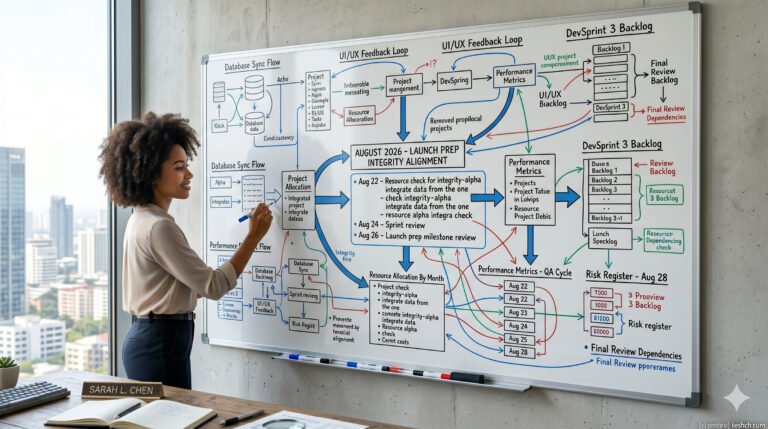

Project Coordination vs Program Coordination: Scope and Complexity Compared
In the world of enterprise management, understanding the nuances of project coordination versus program coordination is essential for optimizing workflows and achieving strategic goals. While both roles are fundamental to the success of large organizations, they each carry distinctive scopes and complexities.
This article delves into the differences between project and program coordination, exploring their roles, scopes of work, complexity levels, required skills, and practical tips for success. The insights offered here aim to enhance your organizational strategies, ensuring effective coordination in both areas.
Understanding Project Coordination in Large Organizations
Project coordination involves managing specific, time-bound initiatives with defined objectives. In large organizations, projects can range from simple tasks to complex undertakings, often requiring specialized skills and resources. A project coordinator typically oversees the day-to-day activities of a project team, facilitating communication among team members, stakeholders, and external vendors. This role is crucial in ensuring that the project adheres to its timeline, budget, and quality standards.
The scope of a project can vary significantly, but it is usually confined to a specific set of deliverables with clear start and end dates. For instance, launching a new product line or refurbishing an office space can be classified as projects. Project coordinators must be adept at tracking progress, managing risks, and resolving issues that arise during the project lifecycle. This requires attention to detail and the ability to pivot quickly as circumstances change, ensuring that the project stays on track.
Moreover, project coordination often involves utilizing project management tools and methodologies such as Agile or Waterfall. These frameworks provide a structured approach to planning, executing, and monitoring projects. The combination of effective communication, stakeholder engagement, and adherence to best practices makes project coordination a pivotal role in achieving organizational success.
The Role of Program Coordination in Corporate Settings
Program coordination, on the other hand, encompasses a broader scope, aligning multiple related projects under a unified strategy. Programs are designed to achieve organizational objectives that require a coordinated approach to multiple projects working in tandem. A program coordinator’s role is to ensure that these projects are not only successful individually but also contribute to achieving overarching business goals.
In large organizations, program coordination may involve managing a collection of projects that share resources, timelines, and objectives. For example, a corporate initiative aimed at enhancing customer satisfaction may include various projects such as a new CRM implementation, employee training, and a marketing campaign. The program coordinator needs to maintain a holistic view of all these interconnected projects, ensuring that they are aligned, adequately resourced, and effectively monitored.
Additionally, program coordinators are tasked with strategic decision-making, stakeholder engagement, and change management. They must assess the impact of each project on the overall program and make adjustments as needed to maximize value. This role demands strong leadership skills, as program coordinators often liaise with senior management and cross-functional teams to drive initiatives forward.
Key Differences: Project vs. Program Coordination Explained
The fundamental difference between project and program coordination lies in their scope and focus. Project coordination is task-oriented, focusing on a single deliverable, whereas program coordination is strategy-oriented, concentrating on the alignment of multiple projects toward a broader objective. This distinction is vital for organizations aiming to maximize efficiency and achieve strategic goals.
Another key difference is the complexity involved in each role. Projects often operate within predefined parameters, making them relatively easier to manage. In contrast, program coordination requires a higher level of complexity due to the interdependencies between projects. Managing these relationships demands a comprehensive understanding of each project’s objectives, timelines, and resource requirements, making the program coordinator’s role more intricate.
Moreover, the skills required for effective coordination in both areas differ significantly. Project coordinators typically focus on operational skills, such as scheduling and resource allocation, while program coordinators need to possess strategic thinking and leadership capabilities. This includes the ability to make high-level decisions that affect multiple projects, ensuring the program remains aligned with the organization’s mission and goals.
Scope of Work: Projects Versus Programs Compared
When evaluating the scope of work, projects are defined by specific objectives, timelines, and deliverables. The scope is often limited to a particular set of tasks that contribute to a singular goal. For example, constructing a new office building would involve tasks such as site preparation, architectural design, and interior finishing. Each of these tasks is part of a larger project with distinct boundaries.
In contrast, the scope of a program is inherently broader and more flexible. It encompasses multiple projects that contribute to a larger organizational strategy. For instance, a program aimed at digital transformation may include several projects such as upgrading IT infrastructure, implementing new software solutions, and training employees on digital tools. The scope of work in this case is dynamic and can evolve as organizational priorities shift.
In essence, the scope of project coordination is more straightforward, while program coordination requires a comprehensive understanding of various projects and how they fit together. This complexity necessitates careful planning and execution to ensure that all elements are synchronized in pursuit of overarching goals.
Complexity Levels: Analyzing Projects and Programs
Complexity in project management is often characterized by the number of tasks, dependencies, and stakeholder interactions involved. Projects tend to have a defined complexity, which can be managed through established methodologies and frameworks. For instance, a project can range from low complexity, such as organizing a small event, to high complexity, such as developing a new software application that involves multiple teams and technologies.
On the other hand, program complexity goes beyond the individual project complexities. It involves managing the relationships between multiple projects, each with its own challenges, timelines, and objectives. For example, in a program focused on improving customer experience, one project may depend on the successful implementation of another project. Understanding these interdependencies requires a higher level of analytical skills and foresight.
Furthermore, as programs evolve, they may introduce new complexities, such as shifting priorities or resource constraints. Program coordinators must be adept at navigating this complexity, adjusting strategies, and ensuring that all projects remain aligned and focused on the overall objectives. This requires a strategic mindset, as well as the ability to anticipate challenges and devise solutions that benefit the entire program.
Skills Required for Effective Coordination in Both Areas
Both project and program coordination require a unique set of skills, although there is some overlap. Project coordinators must excel in operational management, with skills such as time management, budgeting, and resource allocation. They often rely on project management software to track progress and communicate with team members and stakeholders. Effective communication is crucial, as project coordinators must relay information clearly to ensure everyone is on the same page.
On the other hand, program coordinators need to possess a broader skill set that includes strategic planning, stakeholder management, and change management. They must be able to balance the needs of multiple projects while ensuring alignment with the organization’s strategic goals. Strong leadership skills are essential, as program coordinators often facilitate collaboration among various project teams and departments to achieve common objectives.
Both roles also benefit from interpersonal skills and emotional intelligence. Understanding team dynamics and managing conflicts effectively can greatly enhance coordination efforts, leading to improved project and program outcomes. Continuous learning and adaptability are vital in both areas, as the landscape of project and program management is constantly evolving with new tools, techniques, and methodologies.
Practical Tips for Successful Project and Program Management
To ensure effective project coordination, organizations should invest in robust project management tools that facilitate communication and collaboration. Tools like Trello, Asana, or Microsoft Project enable project coordinators to track progress, allocate resources, and manage timelines efficiently. Regular check-ins with team members can help address any issues early and maintain momentum toward project goals.
For successful program coordination, maintaining open communication with stakeholders is key. Regular updates and stakeholder meetings can help ensure that everyone remains informed about project progress and any potential challenges. Program coordinators should also focus on establishing clear objectives and key performance indicators (KPIs) for each project, enabling better alignment with overall program goals.
Both project and program coordinators should foster a culture of continuous improvement. Encouraging feedback from team members and stakeholders can provide valuable insights that lead to more efficient processes and better outcomes. Implementing lessons learned from past projects and programs can also enhance future coordination efforts, ultimately contributing to the organization’s success.
Real-World Examples of Coordination in Action
One notable example of effective project coordination is the construction of the Sydney Opera House. This project faced numerous challenges, including changing designs and budget constraints. However, strong project management allowed the team to navigate these difficulties, ultimately delivering an iconic landmark. The project’s success hinged on effective communication among team members, stakeholders, and contractors throughout the process.
In terms of program coordination, consider NASA’s Artemis program, which aims to return humans to the Moon and establish a sustainable presence there. This ambitious program consists of multiple interconnected projects, including the development of the Space Launch System (SLS), the Orion spacecraft, and lunar landers. The program’s success relies on the ability of program coordinators to manage these projects simultaneously, ensuring they are all aligned with the overall mission objectives.
These real-world examples illustrate the critical role of effective coordination, whether it be in managing a single project or overseeing multiple interconnected initiatives. Successful organizations recognize the importance of both project and program coordination in achieving their strategic goals and driving innovation.
Understanding the distinctions between project and program coordination is essential for any large organization aiming for success. By recognizing the unique scopes, complexities, and skills required for each, corporate teams can leverage effective coordination strategies, driving initiatives that align with overall business objectives. Whether you are managing a single project or a collection of interconnected programs, staying informed and adaptable will empower your organization to thrive in a competitive landscape.
Hashtags: #ProjectManagement #ProgramCoordination #CorporateSuccess #Leadership #Strategy