Project Dashboards vs Static Reports: Real-Time Insights and Traditional Reporting Compared
In today’s fast-paced corporate landscape, organizations are constantly striving for efficiency and greater insights when it comes to managing projects. One of the most significant shifts in project management has been the transition from static reports to dynamic project dashboards. This article delves into the differences between these two approaches, exploring the advantages of real-time data insights versus traditional reporting methods, and how each can enhance decision-making within enterprises.
Understanding Project Dashboards: An Overview of Benefits
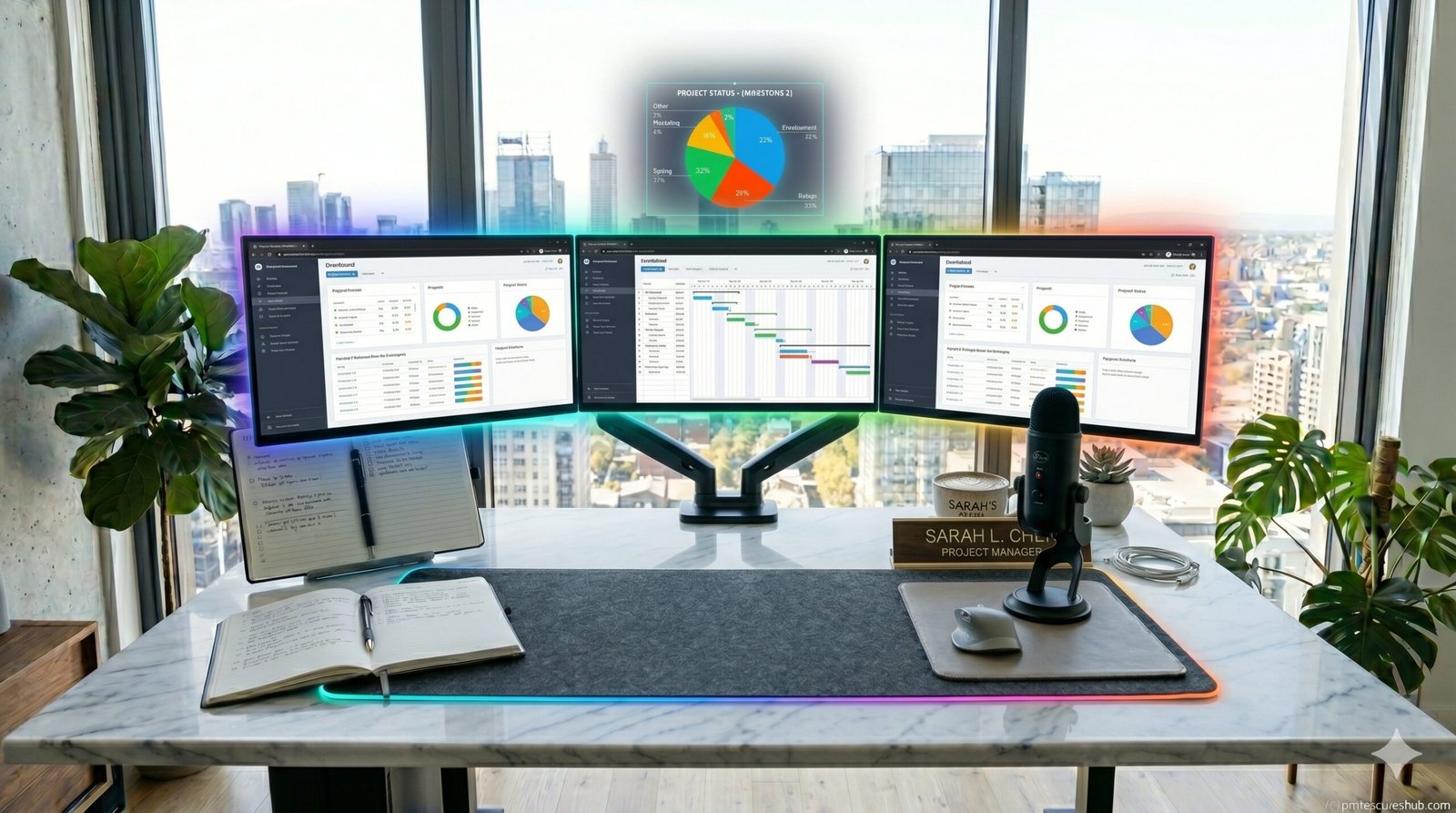
Project dashboards are powerful tools that aggregate real-time data, providing a visual representation of project metrics and key performance indicators. The primary benefit of dashboards is their ability to present complex information in a straightforward and accessible format. This allows project managers and teams to quickly assess project status, identify potential roadblocks, and make informed decisions on the fly. The visual nature of dashboards means that stakeholders can grasp the project’s overall health at a glance, significantly reducing the time spent sifting through lengthy reports.
Furthermore, dashboards can be customized to meet the specific needs of various stakeholders, allowing for tailored views that focus on the most relevant metrics. For example, a project manager might need to track budget expenditures, while team members may want to monitor task completion rates. This flexibility not only enhances individual productivity but also improves overall team alignment, as everyone is looking at the same data points and operating from a shared understanding of project goals.
Another top benefit of project dashboards is the ability to integrate data from various sources, such as project management software, financial systems, and customer relationship management tools. This integration creates a comprehensive overview of a project’s status and progress, allowing teams to spot trends and anomalies in real time. As a result, organizations can respond to issues proactively, rather than reactively, enhancing overall project success rates.
The Role of Static Reports in Business Decision-Making
Static reports have long been a staple in project management and business decision-making. These reports typically compile historical data over a specific timeframe, providing insights into past performance and trends. While they may not offer the immediacy of real-time data, static reports are invaluable for conducting in-depth analyses and drawing strategic conclusions. Organizations often use them to assess the effectiveness of past projects, evaluate resource allocation, and guide future initiatives based on historical performance.
Moreover, static reports provide a formal documentation process that is essential for compliance and regulatory requirements. Many industries necessitate that organizations maintain meticulous records, and static reports fulfill this requirement by providing a fixed record of project progress, budget adherence, and outcomes. This can be particularly important in sectors such as finance, healthcare, and government, where transparency and accountability are paramount.
However, relying solely on static reports can sometimes lead to decision-making based on outdated information. In a rapidly changing business environment, decisions made based on historical data can become irrelevant if the context shifts. While static reports will always have a place in business strategy, they must be supplemented with real-time insights to ensure agility and responsiveness.
Key Differences: Real-Time Data vs Historical Data Reporting
The most apparent difference between project dashboards and static reports lies in the type of data they provide: real-time versus historical. Project dashboards deliver continuously updated insights, allowing teams to monitor performance and make adjustments in real time. This immediacy facilitates a proactive management approach, as issues can be identified and addressed before they escalate, ultimately leading to improved project outcomes.
In contrast, static reports are retrospective, summarizing what has already occurred during a specified period. While they can reveal valuable trends and patterns over time, they do not offer the immediacy or flexibility needed for rapid decision-making. This is particularly crucial in industries where market conditions and project variables can change swiftly. Relying solely on historical data risks missing emerging opportunities or challenges that require urgent attention.
Another key difference is the format and accessibility of the information presented. Dashboards usually feature interactive elements such as charts, graphs, and gauges that allow users to drill down into specific data points. This visual nature not only enhances understanding but also engages users more effectively than static reports, which are typically text-heavy and can be cumbersome to navigate. The result is that organizations leveraging dashboards can cultivate a data-driven culture that promotes informed decision-making across all levels.
Enhancing Visibility with Project Dashboards in Teams
One of the most significant advantages of project dashboards is their ability to enhance visibility within teams. By providing up-to-date information on project status, task progress, and team performance, dashboards foster a culture of transparency. Team members can easily access relevant data, promoting accountability and collaboration as everyone remains informed about each other’s contributions and deadlines.
Moreover, dashboards facilitate better communication among team members. In large organizations, where teams may be dispersed across different locations, having a centralized platform for project data is invaluable. It reduces confusion and miscommunication, allowing teams to focus on their objectives rather than spend time clarifying discrepancies in reports. This shared visibility also encourages cross-functional collaboration, as teams can identify dependencies and coordinate efforts more effectively.
By utilizing dashboards, organizations can create an environment where data is not just a byproduct of project management, but a central component of everyday operations. This shift not only empowers teams to make better decisions but also engages them in the process, as they see the direct impact of their work reflected in the data. Ultimately, enhancing visibility with project dashboards can lead to higher employee satisfaction and improved project success rates.
Limitations of Static Reports in a Fast-Paced Environment
While static reports provide essential insights, they come with limitations, particularly in a fast-paced corporate landscape. One major drawback is their lack of timeliness. Static reports are often generated on a predetermined schedule, whether weekly, monthly, or quarterly. This can result in decision-makers operating on outdated information, which is especially detrimental in industries where agility is key to maintaining a competitive edge.
Another limitation is the inherent complexity of static reports. They often require significant effort to compile and analyze, which can lead to delays in obtaining crucial information. In environments where quick decision-making is critical, this can hinder progress and responsiveness. Static reports also tend to focus on high-level metrics, potentially glossing over important details that could inform more granular decision-making. The inability to quickly access detailed data can stall projects and lead to missed opportunities.
Furthermore, static reports may not cater to the diverse needs of various stakeholders. While some team members may require a broad overview, others may need specific metrics or insights. Static reports typically lack the customization features that dashboards offer, limiting their effectiveness as a universal reporting tool. In a world where personalization and tailored solutions are increasingly demanded, static reports can become a bottleneck rather than a facilitator of progress.
How Dashboards Improve Collaboration Across Departments
Dashboards can significantly enhance collaboration across departments within an organization. By providing a unified platform for data visualization, dashboards ensure that all teams have access to the same information at the same time. This shared data fosters a collaborative environment, as departments can easily align their efforts with one another. For instance, marketing, sales, and product development teams can all track the same project metrics, ensuring that their strategies are synchronized.
Moreover, dashboards can facilitate cross-departmental communication. Instead of relying on lengthy email threads or formal meetings to discuss project status, teams can refer to the dashboard for real-time updates. This not only saves time but also empowers teams to engage in more meaningful conversations based on current data. The ability to see how one’s work impacts other departments can also motivate teams to collaborate more effectively and drive project success.
Additionally, dashboards can serve as a platform for recognition and accountability. When team members can see their contributions reflected in the overall project metrics, it boosts morale and encourages a sense of ownership. By visualizing success and challenges together, departments can celebrate wins and collaboratively address areas of concern, cultivating a culture of teamwork and shared objectives.
Making the Shift: Transitioning from Reports to Dashboards
Transitioning from static reports to project dashboards may seem daunting, but with the right approach, organizations can make this shift smoothly and effectively. The first step is understanding the specific needs of the organization and its stakeholders. Engaging with team members across departments can provide valuable insights into what metrics are most relevant, what data sources need to be integrated, and how to customize dashboard views for different users.
Next, invest in robust dashboard software that aligns with your organization’s needs. Many platforms offer intuitive interfaces, customizable templates, and integration capabilities with existing systems, making them valuable assets for any organization looking to enhance its reporting capabilities. Training sessions can also help teams familiarize themselves with the new tools and ensure everyone is on the same page regarding best practices for data utilization.
Finally, it’s essential to establish a culture of data-driven decision-making within the organization. Encouraging leaders and team members to rely on dashboard insights over static reports can take time, but fostering a culture that values real-time data can revolutionize how decisions are made. By emphasizing the benefits of dashboards—such as agility, accessibility, and enhanced collaboration—organizations can motivate their teams to embrace this new approach.
Choosing the Right Tool for Your Reporting Needs
Selecting the right tool for reporting needs is crucial in determining the success of a dashboard implementation. Organizations should consider several factors when evaluating available options. First and foremost, assess the integration capabilities of the tools with existing systems. A dashboard that can pull data from various sources, such as project management software, financial systems, and customer relationship management tools, will provide a more comprehensive view of project performance.
Next, consider user-friendliness and customization options. The ideal dashboard should be intuitive, allowing users to easily navigate and customize their views based on their specific needs. A tool that requires extensive training or has a steep learning curve may hinder adoption among team members. A dashboard that allows for easy customization ensures that stakeholders can focus on the metrics that matter most to them, enhancing engagement and productivity.
Finally, evaluate the scalability of the tool. As organizations grow and evolve, their reporting needs may change. Opting for a dashboard tool that can scale with the organization is essential for future-proofing investments in reporting solutions. By carefully considering these factors, organizations can choose a dashboard tool that not only meets their current needs but also adapts to future demands.
Conclusion – Project Dashboards vs Static Reports
the choice between project dashboards and static reports is not simply a matter of preference, but rather a strategic decision that can significantly impact how organizations manage projects and make decisions. While static reports have their place in providing historical insights, project dashboards offer the agility and real-time data needed to thrive in today’s fast-paced business environment. By understanding the distinctions between these two approaches, organizations can harness the power of dashboards to enhance collaboration, improve visibility, and drive project success
Hashtags: #ProjectDashboards #StaticReports #DataInsights #BusinessIntelligence #Collaboration
External Source: For more insights on project management tools, visit Project Management Institute.