
Working To Live vs Living To Work: Understanding Work-Life Balance
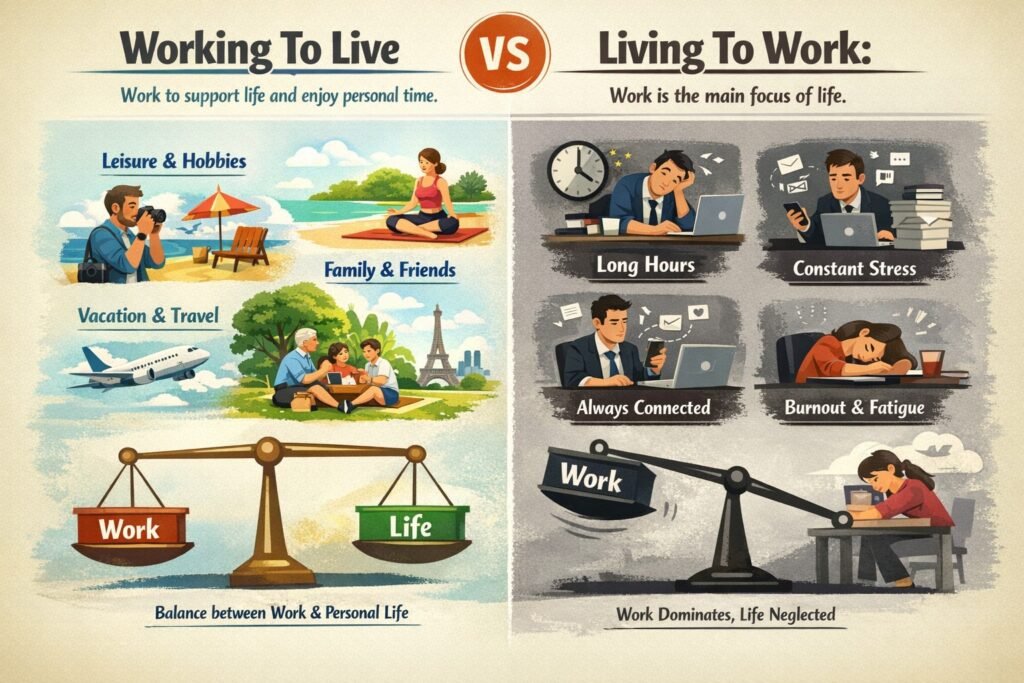
The dichotomy between “working to live” and “living to work” has become increasingly relevant in today’s fast-paced corporate environment. For many individuals, the balance between their professional and personal lives often sways. While some prioritize their jobs, allowing work to take center stage in their lives, others strive to keep their jobs in perspective, viewing them merely as a means to enjoy life. In this article, we will explore these two contrasting philosophies, their implications, and how organizations can foster healthier work environments that prioritize employee well-being.
Understanding the Concept: Working to Live vs Living to Work
The concept of “working to live” emphasizes that employment is a necessary means to an end—namely, securing a comfortable lifestyle and pursuing personal passions outside the job. Individuals who embody this philosophy typically seek a healthy work-life balance, dedicating their time and energy to family, hobbies, and personal development when not on the clock. For them, work is a tool to fund their lives rather than the defining element of their identity. This mindset often leads to improved mental health and job satisfaction because employees are less likely to feel tethered to their desks.
In contrast, “living to work” reflects a mindset where professional duties take precedence over personal interests. People in this category often derive a significant portion of their self-worth and identity from their jobs. This can manifest in long hours, constant connectivity to work via technology, and a tendency to prioritize career advancement over personal relationships. While this approach can lead to notable professional achievements, it can also foster feelings of burnout and dissatisfaction in personal life. The cultural narrative often glorifies this relentless pursuit of success, but the toll it takes on individual well-being is significant.
Both philosophies carry implications for workplace culture and individual health. Organizations that recognize the importance of both approaches can create a more balanced, productive work environment. Companies that encourage employees to view work as a means to support their lives rather than a life-defining force may see increased morale, reduced turnover, and a more engaged workforce. Understanding where employees fit within this spectrum is crucial for fostering a supportive corporate culture.
The Impact of Work-Life Balance on Employee Well-Being
Work-life balance has become a buzzword in modern corporate culture, but its implications are far-reaching and often underappreciated. Employees who successfully balance their work and personal lives tend to experience higher job satisfaction and lower stress levels. This equilibrium allows individuals to recharge, making them more effective in their roles. In organizations that promote a healthy work-life balance, employees often report feeling more valued and supported, leading to heightened productivity and creativity. A well-rounded employee is more likely to contribute positively to the workplace culture and the company’s overall success.
Conversely, a lack of work-life balance can lead to a host of mental health issues, including anxiety, depression, and burnout. Employees who feel compelled to prioritize work over personal well-being often struggle with fatigue, diminished job performance, and increased absenteeism. Long-term exposure to high-stress environments can lead to serious health complications, such as heart disease and chronic illnesses. Organizations that fail to recognize the importance of this balance risk not only losing talented employees but also facing the repercussions of a disengaged workforce that lacks motivation and creativity.
To foster a healthy work-life balance, organizations must actively implement strategies that promote flexibility and support for employees’ personal lives. This can include remote work options, flexible hours, and encouraging employees to unplug during their time off. When companies prioritize the well-being of their workforce, they cultivate a happier, more productive environment where individuals can thrive both personally and professionally.
Recognizing the Signs You’re Living to Work Too Much
Identifying whether you’re living to work rather than working to live can be a challenging endeavor. However, some telltale signs can provide clarity. One major indicator is a consistent feeling of exhaustion, both mentally and physically. If you find yourself unable to disconnect from work, frequently checking emails or taking business calls during personal time, it’s a red flag that your job may be overshadowing your life. Additionally, if you notice that your social interactions and personal hobbies have taken a backseat to work commitments, it may be time to reassess your priorities.
Another sign of living to work is the inability to enjoy time off. If vacations feel more like a burden due to the stress of catching up on work or you feel guilty for taking a day off, it may indicate an unhealthy relationship with your job. Many people who live to work often feel a sense of pride in their dedication, but it can quickly become a double-edged sword. This relentless pursuit can lead to feelings of isolation and dissatisfaction, as personal relationships dwindle and self-care practices are neglected.
Lastly, if your job is the primary source of your self-worth and identity, you may be living to work. When your value is tied directly to your professional achievements, it can create a cycle of striving for more at the expense of your well-being. Recognizing these signs is the first step toward reclaiming a balanced life. It is essential to reflect on what truly matters to you and to prioritize your well-being over professional accolades.
Strategies for Shifting from Living to Work Mindset
Making the transition from a living to work mindset requires intentional effort and planning. The first step is to set boundaries. This might mean establishing specific work hours and resisting the urge to check emails or take calls after hours. Communicating these boundaries with colleagues and supervisors can help create a culture of respect for personal time. Additionally, consider implementing a “digital detox” during weekends or vacations to fully disconnect from work responsibilities. This can help recharge your mental batteries and foster more meaningful personal interactions.
Another effective strategy is to engage in activities that promote personal growth outside of work. This can include hobbies, exercise, or spending quality time with loved ones. By dedicating time to pursuits that bring joy and fulfillment, you can shift your focus away from work and toward a more balanced lifestyle. Setting personal goals unrelated to your job can also help create a sense of achievement and purpose outside of work, allowing you to redefine your identity and self-worth.
Lastly, consider seeking support from colleagues or a mentor who understands the importance of work-life balance. Sharing your experiences and struggles can create a sense of community and accountability. Organizations that prioritize employee well-being often provide resources such as counseling services or workshops on time management and stress reduction. Engaging with these resources can help you shift your mindset and cultivate a healthier relationship with your work.
Benefits of Adopting a Working to Live Philosophy
Embracing a working to live philosophy can have profound effects on both personal and professional aspects of life. One of the most significant benefits is enhanced mental health. By recognizing that work is merely a means to support a fulfilling life, individuals can reduce stress and anxiety associated with job pressures. This mindset encourages employees to prioritize self-care, ultimately leading to a happier, more engaged workforce. Happier employees are typically more productive, creative, and committed, leading to improved organizational performance.
Another advantage is the fostering of stronger relationships. When individuals prioritize their personal lives alongside their professional responsibilities, they have more time to cultivate meaningful connections with family and friends. This support network can provide a buffer against stress and enhance overall life satisfaction. By investing time in relationships, employees often find that they return to work with renewed energy and enthusiasm, benefiting both themselves and their teams.
Lastly, adopting a working to live philosophy encourages a culture of flexibility and innovation within organizations. Companies that permit their employees to maintain a healthy work-life balance often attract top talent and retain skilled individuals. A more satisfied workforce is also more likely to contribute fresh ideas and solutions, driving overall business success. Ultimately, shifting toward a working to live perspective can create a more resilient and dynamic organization, paving the way for long-term success.
How Corporate Culture Influences Work Attitudes
Corporate culture plays a vital role in shaping employees’ attitudes toward work and their lives outside of it. Organizations that prioritize a healthy work-life balance create environments where employees feel valued, supported, and empowered. These companies often implement flexible policies, such as remote work options and adjusted hours, recognizing that happy employees are more productive employees. By fostering a positive corporate culture, organizations can help individuals view their roles as crucial yet not all-consuming.
Conversely, a high-pressure corporate culture can cultivate a “living to work” mentality. When organizations prioritize productivity over employee well-being, they inadvertently encourage unhealthy work habits. This can lead to a culture where employees feel compelled to put in long hours, skip vacations, and sacrifice personal time. The consequences can include high turnover rates, employee burnout, and a decline in overall morale, which ultimately affects business outcomes.
To positively influence work attitudes, organizations should focus on building a culture of trust and respect. Encouraging open communication and providing resources for stress management can help employees feel more at ease. Additionally, recognizing and rewarding employees for their contributions outside of work can reinforce the importance of a balanced lifestyle. By actively cultivating a supportive corporate culture, organizations can create an environment where employees thrive both personally and professionally.
Real-Life Examples of Each Approach in the Workplace
Understanding the real-world implications of the “working to live” versus “living to work” philosophies can provide valuable insights for organizations. For instance, a tech company that embraces the working to live mindset might implement a four-day workweek, allowing employees to pursue personal interests and spend time with family. Employees in this environment often report higher job satisfaction, increased creativity, and a sense of ownership over their work. The company could also see lower turnover rates as employees feel more engaged and valued.
On the other hand, a company that exemplifies the living to work mentality may foster an environment where employees frequently work late nights and weekends, sacrificing personal time for the sake of deadlines. While this may lead to short-term productivity gains, employees may become disengaged over time as they experience burnout and dissatisfaction. This often results in high turnover rates and difficulty attracting top talent, as potential candidates may shy away from a culture that prioritizes work over personal well-being.
Both examples highlight the critical role that corporate culture plays in shaping employee attitudes toward work and life. Organizations that prioritize employee well-being and foster a healthy work-life balance can create a thriving environment where individuals feel motivated and fulfilled. Recognizing and addressing these varying approaches can be the key to long-term success and sustainability in today’s competitive landscape.
Creating a Sustainable Work-Life Balance for Success
Establishing a sustainable work-life balance is essential for both individual well-being and organizational success. The first step is to assess current work practices and identify areas for improvement. This might involve surveying employees to understand their needs and challenges. Organizations can then implement policies that promote flexibility, such as remote work options or flexible hours, allowing individuals to manage their personal and professional commitments effectively.
Additionally, encouraging regular breaks and time off can significantly improve employee well-being. Organizations should cultivate a culture that celebrates taking vacations and using personal days without guilt or fear of judgment. Implementing wellness programs that focus on mental health, fitness, and work-life balance can further reinforce this message and provide employees with the necessary support to prioritize their health.
Lastly, fostering open communication and feedback mechanisms within the organization can create a supportive environment. Employees should feel comfortable discussing their work-life balance challenges and seeking help when needed. By creating an atmosphere of trust and openness, organizations can better understand and address their employees’ needs, ultimately leading to a more engaged, productive, and loyal workforce.
The balance between working to live and living to work is a crucial consideration for both employees and organizations. By understanding these philosophies, recognizing the signs of unhealthy work habits, and implementing strategies to promote a healthier work-life balance, organizations can cultivate a thriving work environment. The benefits of prioritizing employee well-being are clear: happier, more engaged employees drive productivity and innovation. It’s time for us to embrace the working to live mindset, ensuring that work serves as a means to enjoy life, rather than overshadowing it.
Frequently Asked Questions
What does “working to live” mean in a corporate context
In a corporate setting, working to live means employees view their roles as a means to support life outside work. They focus on delivering strong outcomes during working hours while protecting personal time, well-being, and long-term sustainability. For organizations, this often translates into healthier engagement, lower burnout, and more consistent performance over time.
What does “living to work” look like in modern organizations
Living to work typically appears as long hours, constant availability, and identity being closely tied to job title or status. While this mindset can drive short-term results or rapid career progression, it often increases burnout risk, attrition, and dependency on a small number of overextended individuals within the enterprise.
Is one mindset better than the other for business performance
Neither mindset is inherently right or wrong. Problems arise when an organization implicitly rewards only “living to work” behaviors. High-performing enterprises recognize that sustainable results come from balanced contribution, not perpetual overextension. Organizations that normalize healthy boundaries tend to outperform over time.
How does work-life balance impact productivity at scale
At enterprise scale, work-life balance directly affects resilience and delivery reliability. Employees with adequate recovery time make better decisions, collaborate more effectively, and sustain performance during periods of change or pressure. Chronic imbalance, by contrast, leads to errors, disengagement, and higher absenteeism.
Can organizations realistically support work-life balance and still meet targets
Yes, but it requires intentional design. This includes realistic capacity planning, outcome-based performance measurement, and leadership behaviors that model balance. Enterprises that align targets with human capacity often see stronger delivery predictability and lower talent risk.
How do leadership behaviors influence these mindsets
Leadership behavior is one of the strongest signals in an organization. If leaders consistently reward availability over outcomes, employees will feel pressured to live to work. When leaders respect boundaries, focus on results, and openly prioritize well-being, employees feel safer adopting a working to live mindset.
What role does organizational culture play
Culture determines what is truly valued beyond formal policies. An organization may promote flexibility on paper, but if promotion and recognition favor burnout behaviors, employees will follow the cultural signal. Mature cultures align stated values with day-to-day decisions and incentives.
How can HR and people teams address this balance
HR teams can embed balance into role design, performance frameworks, and career pathways. This includes realistic workload expectations, clear escalation paths, and career progression that does not depend on unsustainable hours. Data from engagement surveys and attrition trends can help identify risk areas.
Does promoting work-life balance reduce ambition
No. It reframes ambition from endurance-based success to sustainable impact. Employees can still pursue growth, leadership, and complex challenges without sacrificing health or personal life. Enterprises benefit from leaders who can perform consistently, not just intensely.
What are the long-term risks of ignoring this issue
Organizations that normalize living to work often face higher turnover, loss of institutional knowledge, reputational damage, and declining engagement. Over time, this erodes competitiveness. Addressing the balance proactively is a strategic investment in workforce stability and enterprise resilience.
Hashtags: #WorkLifeBalance #EmployeeWellBeing #CorporateCulture #Productivity #MentalHealth
External Source: For further insights on work-life balance strategies, refer to the article from https://www.davis-staffing.com/2023/05/17/understanding-the-living-to-work-vs-working-to-live-mentality/
Discover More great insights at www.pmresourcehub.com
Explore project manager template https://pmresourcehub.com/library/
One Comment
Comments are closed.