
Difference Between A Boss And A Leader: How Leadership Style Impacts Performance
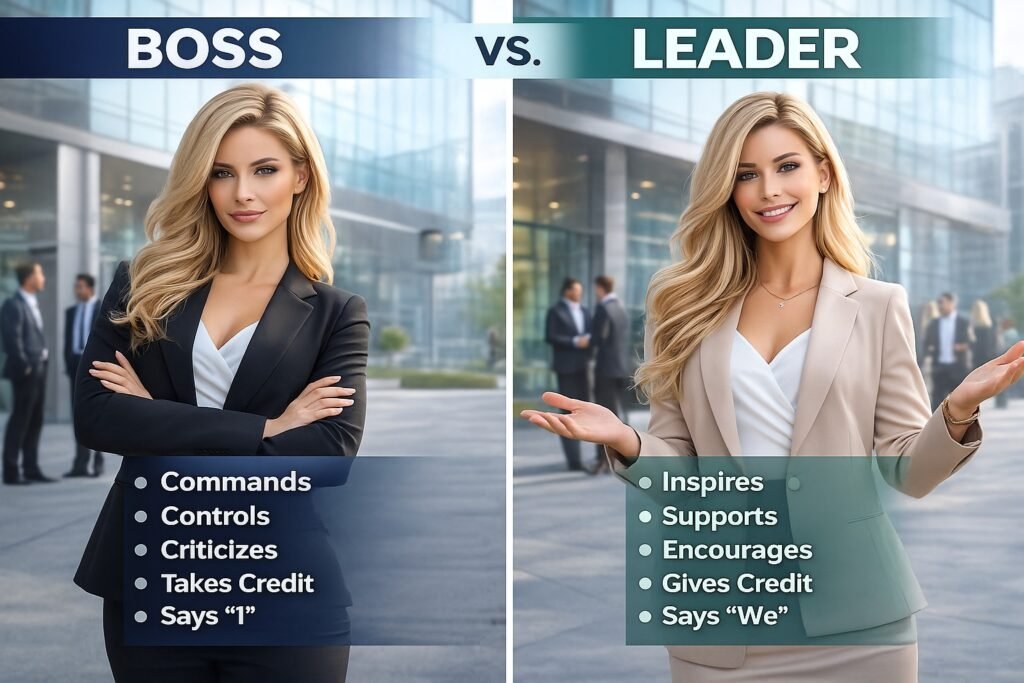
In the ever-evolving landscape of corporate environments, the distinction between a boss and a leader is more pronounced than ever. While these terms are often used interchangeably, their meanings and implications within an organization differ significantly. Understanding these differences can elevate workplace dynamics, enhance team performance, and foster a culture of trust and innovation. In this article, we’ll explore the fundamental contrasts between bosses and leaders, focusing on management styles, decision-making processes, communication techniques, employee engagement, vision, talent development, and their long-term impact on organizations.
Understanding the Fundamental Differences Between Bosses and Leaders
At first glance, the roles of a boss and a leader may appear similar, as both are responsible for managing teams and achieving organizational goals. However, the crux of their differences lies in their approach to authority and influence. A boss typically wields authority based on their position, relying on fear or compliance to ensure tasks are completed. In contrast, a leader inspires their team, fostering an environment of collaboration and motivation. This fundamental difference shapes the way employees perceive their roles within the company and ultimately influences job satisfaction and productivity.
A boss often sees their team members as mere resources, focusing primarily on task completion and performance metrics. They may prioritize efficiency over creativity, leading to a rigid work environment where employees feel constrained. Conversely, a leader recognizes the value of each individual, understanding that a motivated, engaged team can drive innovation and success. This recognition of personal strengths and talents allows leaders to cultivate a culture where employees feel empowered to share ideas and contribute to the organization’s vision.
Ultimately, the difference between a boss and a leader can significantly impact an organization’s culture and performance. A boss may achieve short-term results through strict oversight, but a leader builds lasting relationships and creates an environment where teams thrive. Understanding these distinctions can help organizations identify their current managerial style and determine how to evolve into more effective leaders.
How Bosses Manage While Leaders Inspire and Motivate
While a boss concentrates on managing tasks, processes, and outcomes, a leader focuses on inspiring and motivating individuals to reach their full potential. Bosses often adopt a transactional leadership style, where rewards and punishments are used to influence behavior. This approach can lead to a mechanical work environment where employees comply out of obligation rather than passion. In contrast, leaders address the emotional and psychological needs of their teams, drawing out genuine commitment and enthusiasm from their members.
Leaders often utilize motivational techniques such as recognition, encouragement, and support to empower their teams. They celebrate achievements, both big and small, fostering a positive atmosphere that encourages risk-taking and innovation. This emotional investment not only enhances team cohesion but also drives individuals to exceed expectations. With a leader at the helm, employees are more likely to feel valued and understood, resulting in increased loyalty and a willingness to contribute to the organization’s objectives.
In summary, the ability to inspire and motivate goes beyond mere management. While bosses might achieve compliance through oversight, leaders cultivate a culture of enthusiasm and engagement. This distinction is vital for organizations striving for growth and innovation in today’s competitive landscape.
Decision-Making: Authority vs. Collaboration in Leadership
The decision-making process is another area where bosses and leaders diverge in their approaches. A boss typically makes decisions unilaterally, relying on their authority to direct actions and enforce compliance. This top-down approach can be efficient in certain scenarios, especially when quick decisions are needed. However, it often leads to a lack of buy-in from team members, as they may feel excluded from the process and undervalued in their contributions.
On the other hand, leaders embrace a collaborative decision-making style, seeking input from their teams and fostering a sense of ownership among employees. This inclusive approach not only enhances the quality of decisions made but also strengthens team dynamics by encouraging open dialogue and trust. When team members feel their opinions are valued, they are more likely to be committed to the outcomes and actively contribute to implementing the decisions made.
In conclusion, the decision-making styles of bosses and leaders illustrate a key difference in their effectiveness. While bosses may rely on their authority to dictate outcomes, leaders foster collaboration and inclusivity, leading to more informed decisions and a stronger sense of team commitment. As organizations evolve, adopting a collaborative approach to decision-making can significantly enhance performance and morale.
Communication Styles: Directives from Bosses vs. Dialogues from Leaders
Communication is at the heart of effective management, and the styles employed by bosses and leaders can greatly influence team dynamics. Bosses often rely on direct, authoritative communication, dictating tasks and expectations with little room for discussion. This one-way communication can create a barrier between management and employees, fostering an environment of fear or resentment. In such settings, employees may feel hesitant to voice their opinions or share ideas, which can stifle creativity and innovation.
Leaders, conversely, prioritize two-way communication, actively engaging with their teams to facilitate dialogue. They encourage open discussions, inviting feedback and ideas while fostering an inclusive atmosphere. This approach not only strengthens relationships but also helps leaders gain valuable insights from their teams, leading to better decision-making and problem-solving. When employees feel heard, they are more likely to be engaged and committed to their work, ultimately benefiting the organization as a whole.
In summary, the contrasting communication styles of bosses and leaders can have profound effects on team dynamics and innovation. While bosses may rely on directives that limit employee input, leaders foster open dialogues that encourage collaboration and creativity. Organizations seeking to thrive in a competitive environment should focus on developing leaders who prioritize effective communication.
Employee Engagement: Control by Bosses and Trust by Leaders
The way bosses and leaders approach employee engagement is another pivotal difference that shapes workplace culture. Bosses often operate from a control perspective, setting strict guidelines and monitoring performance closely. This control-oriented approach can lead to a work environment where employees feel micromanaged and undervalued, resulting in decreased morale and engagement. When employees perceive their roles as mere tasks to be completed under constant scrutiny, they are less likely to take initiative or feel a sense of belonging.
Leaders, in contrast, cultivate trust and autonomy among their teams. They empower employees by delegating responsibilities and encouraging them to take ownership of their work. By fostering a sense of trust, leaders create an environment where employees feel free to share ideas, voice concerns, and take risks. This empowerment leads to higher levels of engagement, as employees are more likely to invest themselves in their roles when they feel trusted and valued.
In conclusion, the approach to employee engagement taken by bosses and leaders can significantly impact organizational culture. While bosses may exert control that stifles creativity and morale, leaders foster trust that encourages engagement and innovation. Organizations looking to enhance employee satisfaction and performance should emphasize the development of leaders who prioritize trust and empowerment.
The Role of Vision in Leadership Compared to Management
Vision plays a critical role in distinguishing between bosses and leaders. Bosses often focus on immediate tasks and short-term goals, managing the day-to-day operations without a broader context. This narrow focus can limit a team’s ability to innovate and adapt, as employees may feel stuck in a cycle of routine without a clear understanding of the organization’s larger objectives. When the vision is not communicated effectively, employees may struggle to see how their contributions fit into the bigger picture.
Leaders, on the other hand, are visionaries who articulate a compelling future for the organization. They inspire their teams by creating a shared vision that aligns with the organization’s values and goals. This long-term perspective not only motivates employees to strive for excellence but also fosters a sense of purpose in their work. When individuals understand how their efforts contribute to a larger vision, they are more likely to be engaged and committed to the organization’s success.
In summary, the role of vision is a fundamental distinction between bosses and leaders. While bosses may manage tasks in isolation, leaders inspire their teams with a compelling vision that fosters engagement and innovation. Organizations aiming for sustainable growth should prioritize cultivating leaders who can articulate and embody a clear, inspiring vision.
Developing Talent: Bosses Direct Tasks While Leaders Coach
Talent development is another area where the differences between bosses and leaders come into sharp focus. Bosses often take a directive approach, assigning tasks and overseeing their completion without much thought to individual growth or development. This method can lead to a lack of engagement and motivation among employees, as they may feel like cogs in a machine rather than valuable contributors to the organization’s success. Without opportunities for growth, employees are more likely to disengage from their work over time.
Conversely, leaders take on the role of coaches, actively investing in the development of their team members. They recognize that employee growth is essential for both individual and organizational success. Leaders provide guidance, support, and constructive feedback, helping employees identify their strengths and areas for improvement. By fostering a culture of continuous learning, leaders empower their teams to develop their skills and advance their careers, creating a more motivated and engaged workforce.
In conclusion, the approach to talent development taken by bosses and leaders can have lasting impacts on employee engagement and organizational performance. While bosses may focus on directing tasks, leaders prioritize coaching and mentorship, contributing to a more skilled and motivated workforce. Organizations that value talent development should strive to cultivate leaders who understand the importance of supporting their team members in their growth journeys.
Long-Term Impact: The Legacy of Leaders vs. The Tenure of Bosses
The long-term impact that bosses and leaders have on their organizations is often a reflection of their respective approaches to management. Bosses may achieve short-term results through strict oversight and control, but this approach can lead to high turnover rates and low employee morale over time. The tenure of a boss often correlates with the immediate outcomes they produce; however, their legacy may be one of dissatisfaction and disengagement among team members.
Leaders, in contrast, focus on building relationships and cultivating a positive organizational culture. Their impact is often seen in the long-term success of the organization, as they inspire loyalty and commitment among employees. A leader’s legacy is one of empowerment, innovation, and trust, as they create an environment where teams thrive and excel. Their influence extends beyond their tenure, shaping the organization’s culture and values for years to come.
In summary, the long-term impact of bosses and leaders demonstrates a key difference in their effectiveness. While bosses may achieve short-term results, leaders build lasting legacies that foster growth and innovation. Organizations seeking to cultivate a positive culture and achieve sustainable success should prioritize leadership development over mere management.
FAQ Section
What is the core difference between a boss and a leader?
The core difference lies in how authority is exercised. A boss relies on positional power and control to drive outcomes, while a leader uses influence, trust, and inspiration to motivate people toward shared goals. This distinction shapes culture, engagement, and long-term performance.
Can someone be both a boss and a leader?
Yes, but it requires conscious effort. Many individuals hold managerial authority by default, but leadership is demonstrated through behavior. When authority is combined with empathy, vision, and empowerment, a manager transitions from acting as a boss to leading effectively.
How does leadership style impact organizational culture?
Leadership style directly influences trust, collaboration, and innovation. Boss-driven cultures often emphasize compliance and hierarchy, which can limit creativity. Leader-driven cultures encourage ownership, open communication, and psychological safety, enabling teams to perform at a higher level.
Why do employees respond better to leaders than bosses?
Employees respond better to leaders because leaders acknowledge individual contributions, support development, and align work with purpose. This creates intrinsic motivation, whereas boss-centric approaches tend to rely on external pressure, which is less sustainable over time.
Does being results-focused make someone a boss rather than a leader?
No. Leaders are highly results-focused, but they understand that sustainable results come from engaged people. The difference lies in how results are achieved. Bosses prioritize outcomes regardless of impact on morale, while leaders balance performance with people development.
How do decision-making styles differ between bosses and leaders?
Bosses often make decisions in isolation and communicate them top-down. Leaders involve relevant stakeholders, encourage input, and explain the rationale behind decisions. This inclusive approach builds trust and improves execution quality.
What role does communication play in leadership versus management?
Communication is central to leadership. Leaders communicate vision, context, and expectations clearly and consistently. Bosses tend to focus communication on tasks, deadlines, and corrections, which can limit understanding and engagement.
How does each approach affect employee development?
Bosses may focus on immediate output and skill utilization, while leaders invest in long-term talent development. Leaders coach, mentor, and create growth opportunities, strengthening both individual capability and organizational resilience.
Can a boss-driven organization succeed?
Boss-driven organizations can achieve short-term success, especially in highly controlled environments. However, over time, they often struggle with engagement, retention, and innovation. Leader-driven organizations are better positioned for sustainable growth and adaptability.
Why is the boss versus leader distinction more important today?
In modern, dynamic workplaces with remote teams and rapid change, control-based management is less effective. Organizations need leaders who can inspire alignment, navigate complexity, and empower teams rather than relying solely on authority.
Conclusion
Understanding the differences between bosses and leaders is essential for building a productive, resilient, and forward-looking organizational culture. While both roles may exist within the same hierarchical structure, the behaviors and mindsets they represent lead to very different outcomes. Organizations that rely primarily on authority, control, and compliance may achieve short-term results, but they often struggle to sustain engagement, innovation, and trust over time.
By contrast, organizations that prioritize leadership over command focus on inspiring and motivating teams rather than merely directing them. Leaders embrace collaboration in decision-making, encourage open dialogue, and create environments where employees feel heard and valued. This approach not only improves morale but also strengthens accountability, as individuals are more likely to take ownership of their work when they feel connected to a shared purpose.
Effective communication and intentional investment in talent development further distinguish leaders from bosses. Leaders view people as long-term assets, not interchangeable resources, and actively support growth through coaching, mentorship, and opportunity. In doing so, they build stronger teams, improve retention, and develop future leaders who can carry the organization forward.
In today’s competitive and rapidly evolving landscape, the power of effective leadership cannot be underestimated. Organizations that cultivate leaders rather than bosses are better equipped to adapt to change, navigate complexity, and achieve sustainable success. Ultimately, leadership has the ability to transform workplaces from environments of compliance into cultures of commitment, performance, and long-term impact.
Hashtags: #Leadership #Management #EmployeeEngagement #WorkplaceCulture #Motivation
External Source: For more insights on effective leadership, visit Harvard Business Review. https://hbr.org/2004/01/managers-and-leaders-are-they-different
Discover More great insights at www.pmresourcehub.com
Explore Free Project Management Templates https://pmresourcehub.com/library/