
Project Rescue vs Project Recovery: Turning Around Failing Initiatives
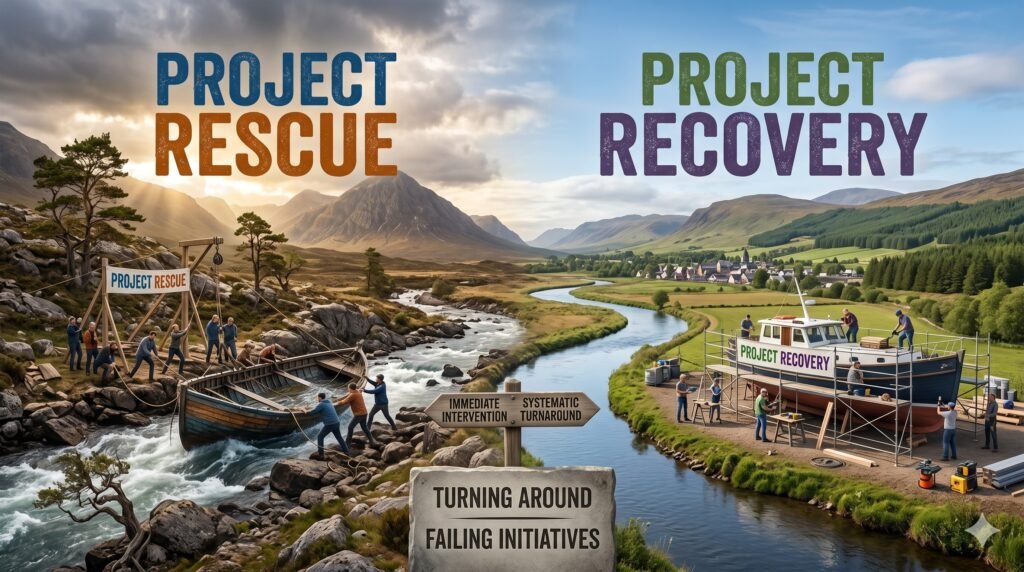
Turning around failing projects is a challenge that many organizations face, and understanding the difference between Project Rescue vs Project Recovery can make all the difference. Both strategies aim to revive struggling initiatives, yet they tackle issues from different angles. This article dives deep into these two methodologies, exploring their distinctions, key indicators of failure, strategies for success, and the leadership roles essential for effective turnarounds. With the right insights and actions, organizations can not only save distressed projects but also build a resilient framework for future endeavors. Have you ever successfully turned around a problem project let us know in the comments?
Understanding the Difference: Rescue vs Recovery Initiatives
Project rescue and project recovery may seem interchangeable at first glance, but they involve different approaches to addressing troubled initiatives. Project rescue typically involves an immediate response to avert impending failure. This might mean reassigning resources, adjusting timelines, or implementing quick fixes to ensure the project gets back on track before it collapses entirely. In essence, the focus is on addressing the symptoms and creating an immediate turnaround to prevent further deterioration.
On the other hand, project recovery delves deeper into the root causes of failure, examining the project’s primary objectives, stakeholder expectations, and the broader organizational context. Recovery initiatives are often more comprehensive and long-term, intended to re-align the project with its strategic goals rather than merely patching up the immediate issues. This approach might involve re-evaluating the project scope, stakeholder engagement, and team dynamics, ensuring that the project can thrive in a sustainable manner rather than just evading disaster temporarily.
Understanding these distinctions is crucial for leaders tasked with turning around failing projects. Choosing the right approach can mean the difference between a successful revival and a short-lived fix. Therefore, organizations must assess the severity and nature of the project’s issues to determine whether a rescue or recovery strategy is the best fit.
Key Indicators of Failing Projects to Address Quickly
Identifying the warning signs of failing projects is imperative to enable timely interventions. One of the most glaring indicators is a significant deviation from the project timeline. If deadlines are consistently missed and deliverables are piling up, it’s a clear signal that the project may be veering off course. Delays can stem from various factors, including resource misallocation, unclear objectives, or a lack of stakeholder engagement, all of which need to be addressed swiftly.
Another critical indicator is budget overruns. If the project is consuming more resources than initially planned without clear justification, it may indicate deeper issues, such as poor planning or scope creep. Organizations need to conduct a thorough financial review to understand the reasons behind the excess spending and take corrective actions promptly. Budgetary concerns often signal operational inefficiencies that can sabotage the project’s success if not managed effectively.
Lastly, team morale and engagement levels can serve as essential barometers for project health. If team members express frustration, confusion, or disengagement, this may signal a disconnect between leadership and the project team, potentially leading to decreased productivity and effectiveness. Addressing team dynamics through open communication and support can rejuvenate a struggling project and foster a more collaborative environment.
Strategies for Successful Project Rescues: A Quick Guide
When embarking on a project rescue, quick and decisive action is crucial. Start by conducting a comprehensive assessment of the project’s current state. This involves gathering data, consulting with team members, and reviewing existing plans and progress reports. This initial evaluation provides a clear understanding of the issues at hand and helps in formulating targeted interventions.
Next, prioritize the identified issues based on their impact and urgency. Not all problems are created equal; some may pose immediate threats to project viability, while others may be less pressing. Creating a priority matrix can help in visualizing these issues, enabling better decision-making regarding where to allocate resources and attention. Focus on quick wins that can help restore confidence among stakeholders and team members, fostering a sense of progress.
Lastly, consider bringing in external consultants or experts if the internal team lacks the capacity or expertise to implement needed changes. External perspectives can provide valuable insights and facilitate a more objective analysis of the project’s challenges. By leveraging external resources, organizations can enhance their chances of a successful project rescue.
Navigating the Complexities of Project Recovery Plans
Project recovery plans require a more strategic approach as they aim to realign projects with their original objectives. Begin by revisiting the project charter and stakeholder expectations to ensure all parties are on the same page. This step is crucial for understanding the fundamental reasons behind the project’s struggles and establishing a renewed commitment to its objectives.
Additionally, it’s essential to engage all stakeholders in the recovery process. This may involve conducting workshops or interviews to gather feedback and insights. Engaging stakeholders fosters a sense of ownership and accountability, which is particularly vital during recovery efforts. The collaborative approach can also lead to creative solutions that might not have been considered initially.
Finally, establish clear metrics to monitor the recovery progress. Setting specific, measurable goals will help the team track improvements and make necessary adjustments along the way. Regularly reviewing these metrics keeps the project aligned with its objectives and promotes transparency, thereby enhancing stakeholder trust and support throughout the recovery journey.
Critical Leadership Roles in Project Turnarounds
Effective leadership is a cornerstone of successful project turnarounds. Leaders must embody agility and adaptability, shifting their strategies to meet the ever-evolving challenges within failing projects. An effective leader will not only identify the project’s pain points but also inspire and motivate the team to take ownership of the recovery efforts.
Moreover, transparent communication can make all the difference in a turnaround scenario. Leaders should maintain open lines of communication with both team members and stakeholders, providing updates on progress, challenges, and changes to the project. This transparency fosters trust and encourages collaboration, as everyone involved feels informed and valued in the process.
Finally, leaders should adopt a coaching mindset, empowering team members to take initiative and contribute to solutions. By creating an environment where everyone feels encouraged to share their insights and ideas, leaders can cultivate a culture of innovation and resilience that enhances the project’s chances of success.
Measuring Success: Metrics for Rescue and Recovery
Establishing the right metrics is crucial for evaluating the success of both project rescue and recovery initiatives. In rescue scenarios, immediate metrics may focus on timeline adherence, budget compliance, and stakeholder satisfaction. For example, tracking the percentage of completed deliverables against the project plan can provide insights into whether the rescue efforts are effective.
In a recovery context, success metrics may expand to include long-term outcomes, such as the alignment of the project with strategic business goals, the quality of deliverables, and the overall impact on team dynamics. Conducting post-project evaluations can also help assess whether the recovery initiatives have led to sustainable improvements or merely temporary fixes.
Moreover, organizations should consider incorporating feedback mechanisms into their metrics. Surveys or interviews with team members and stakeholders can provide qualitative insights that complement quantitative data. Ultimately, measuring success should be a holistic effort that considers both short-term and long-term project health.
Real-World Examples of Effective Turnaround Strategies
Many organizations have successfully navigated project rescues and recoveries, often emerging stronger from the experience. One notable example is the turnaround story of Boeing’s 787 Dreamliner project. Faced with significant delays and budget overruns, Boeing implemented a comprehensive recovery plan that involved reassessing supply chain relationships, streamlining operations, and enhancing communication across teams. These strategic moves not only got the project back on track but also improved operational efficiency for future projects.
Another compelling case is the redevelopment of the Sydney Opera House, initially plagued by cost overruns and delays. Project leaders adopted a recovery approach that involved engaging with stakeholders and redefining project objectives. By realigning the project with community expectations and focusing on sustainable construction practices, the project ultimately became a celebrated architectural landmark, demonstrating the power of effective recovery strategies.
Lastly, consider the case of the UK’s National Health Service (NHS), which faced immense challenges with its IT projects. After recognizing the need for a turnaround, the NHS implemented targeted strategies, such as investing in skilled project managers and adopting agile methodologies. This shift not only salvaged failing projects but also set a foundation for future success, making lessons learned a key element of ongoing operations.
Building a Resilient Framework for Future Projects
To ensure long-term success, organizations must build resilient frameworks for managing projects. This begins with fostering a culture of continuous improvement, where lessons learned from past projects are regularly documented and integrated into future initiatives. This proactive approach minimizes the likelihood of recurrence of similar issues and empowers teams to tackle challenges head-on.
Additionally, investing in team development is crucial. Providing training and resources for project managers and team members enhances their capabilities, equipping them to handle complex projects more effectively. A well-trained team is not only more prepared for the unexpected but also more engaged, as they feel supported in their professional growth.
Lastly, organizations should embrace agile methodologies, promoting flexibility and adaptability in project management. By enabling teams to pivot quickly in response to changing circumstances, organizations can better respond to challenges and capitalize on opportunities. A resilient project management framework ensures that organizations are well-prepared to navigate the complexities of both rescue and recovery initiatives.
Conclusion – Project Rescue vs Project Recovery
Understanding the nuances between Project Rescue vs Project Recovery is vital for effective project management. By recognizing the key indicators of failing projects and implementing strategic interventions, organizations can successfully turn around distressed initiatives. Building resilient frameworks for future projects not only enhances the likelihood of success but also prepares teams to tackle challenges with confidence. Ultimately, learning from these experiences can lead to stronger, more successful initiatives in the future.
Hashtags: #ProjectManagement #Leadership #TurnaroundStrategies #AgileMethodologies #ContinuousImprovement
External Source: For more insights on effective project management rescue, visit the APM